
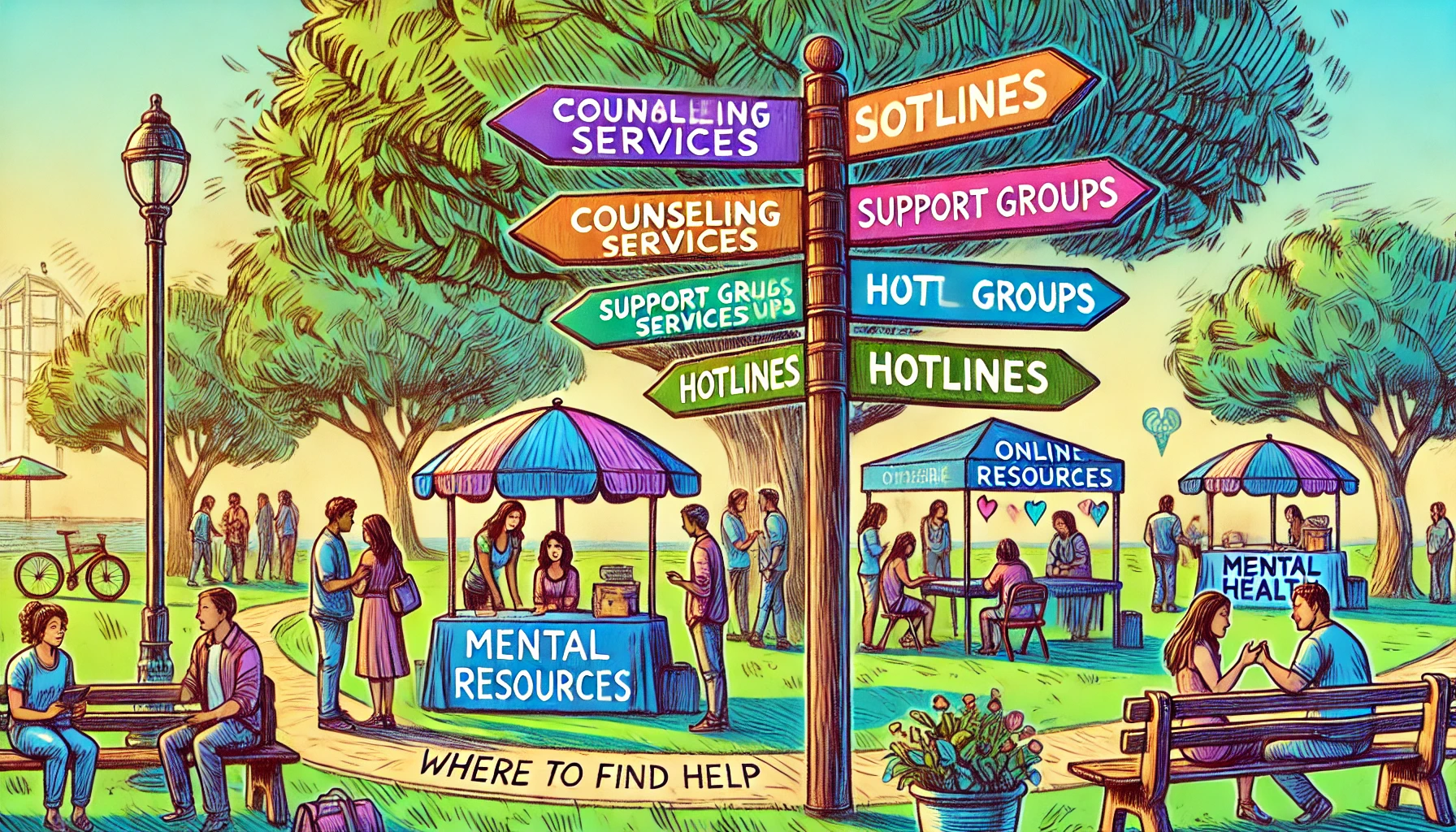
Accessing the right mental health resources is crucial for anyone seeking support for mental health challenges, whether for themselves or loved ones. Understanding where to find help can make a significant difference in one’s mental well-being and overall quality of life. From therapy and counseling to crisis intervention and community support, a wide range of resources are available to assist individuals in need.
Mental health resources vary widely in terms of services, availability, and accessibility. They can include professional services like psychotherapy and medication management, as well as self-help tools, support groups, and helplines. This blog will guide you through various mental health resources, highlighting where to find help and what to expect from different types of services.
1. Professional Therapy and Counseling
- Psychologists and Therapists: Licensed psychologists and therapists provide various forms of therapy, including cognitive-behavioral therapy (CBT), dialectical behavior therapy (DBT), and psychodynamic therapy.
- Psychiatrists: Psychiatrists are medical doctors who specialize in mental health. They can prescribe medication and provide therapy for mental health conditions.
- Licensed Clinical Social Workers (LCSWs): LCSWs offer counseling and support, often focusing on connecting clients with community resources.
- Marriage and Family Therapists (MFTs): MFTs specialize in relationship dynamics and provide therapy for couples and families.
- Finding Providers: You can find licensed mental health professionals through online directories, referrals from healthcare providers, or mental health organizations.
2. Crisis Intervention and Hotlines
- National Suicide Prevention Lifeline: Provides 24/7 confidential support for individuals in distress, suicidal crisis, or emotional distress. Call 1-800-273-TALK (1-800-273-8255) or text HOME to 741741.
- Crisis Text Line: Offers free, 24/7 support via text. Text HOME to 741741 to connect with a trained crisis counselor.
- Emergency Services: In an immediate crisis, call 911 or go to the nearest emergency room for urgent assistance.
- Local Hotlines: Many communities have local crisis hotlines that offer support and referrals to local resources.
- Warm Lines: Non-crisis support lines that provide a listening ear for those needing someone to talk to about their mental health.
3. Online Therapy and Telehealth Services
- Teletherapy Platforms: Services like BetterHelp, Talkspace, and Amwell provide online therapy sessions via video, phone, or messaging.
- Mental Health Apps: Apps like Calm, Headspace, and Moodfit offer guided meditation, mood tracking, and other mental health tools.
- Insurance Coverage: Many insurance plans cover telehealth services. Check with your provider to see if online therapy is covered.
- Privacy and Security: Ensure the platform you choose is secure and compliant with privacy laws, such as HIPAA in the United States.
- Convenience and Accessibility: Online therapy offers flexibility and accessibility, especially for those in remote areas or with mobility issues.
4. Support Groups and Peer Support
- In-Person Support Groups: Many organizations offer in-person support groups for specific conditions, such as depression, anxiety, PTSD, and addiction.
- Online Support Groups: Websites like 7 Cups, SupportGroups.com, and Reddit provide online forums where individuals can connect with others facing similar challenges.
- 12-Step Programs: Programs like Alcoholics Anonymous (AA), Narcotics Anonymous (NA), and Al-Anon provide support for those struggling with addiction and their families.
- Community Centers and Churches: Local community centers, churches, and non-profits often host support groups and workshops.
- Peer Support Specialists: Trained individuals with lived experience in mental health can offer support and guidance.
5. Educational and Self-Help Resources
- Books and Literature: There are numerous self-help books on mental health topics, offering practical advice and coping strategies.
- Websites and Blogs: Reputable websites like the National Alliance on Mental Illness (NAMI), Mental Health America (MHA), and Mayo Clinic provide valuable information and resources.
- Podcasts and Videos: Podcasts and YouTube channels focused on mental health can offer insights, tips, and stories of recovery.
- Online Courses: Platforms like Coursera and Udemy offer courses on mental health topics, including stress management and mindfulness.
- Workbooks and Journals: Workbooks and journals can guide self-reflection and help develop coping skills.
6. Community Mental Health Services
- Community Mental Health Centers: Provide affordable mental health services, including therapy, medication management, and case management.
- Mobile Crisis Units: Offer emergency mental health services in the community, often in partnership with local law enforcement.
- Day Programs: Provide structured activities and therapy for individuals with severe mental health conditions.
- Case Management Services: Help individuals navigate the mental health system, connect with resources, and manage care.
- Sliding Scale Services: Many community health centers offer services on a sliding scale based on income, making them accessible to those with limited financial resources.
7. Employee Assistance Programs (EAPs)
- Workplace Resources: Many employers offer EAPs that provide confidential counseling, mental health support, and referrals to external services.
- Short-Term Counseling: EAPs often include a limited number of free counseling sessions for employees and their families.
- Wellness Programs: EAPs may offer wellness programs, workshops, and resources on stress management, work-life balance, and mental health.
- Confidentiality: EAP services are confidential, and employers do not have access to the details of an employee’s participation.
- Accessing EAPs: Contact your HR department or EAP provider for more information on available services and how to access them.
8. School and College Resources
- School Counselors: School counselors provide support for students experiencing academic, social, or emotional challenges.
- College Counseling Centers: Most colleges and universities have counseling centers that offer free or low-cost mental health services to students.
- Campus Hotlines: Many colleges have hotlines for students in crisis or needing immediate support.
- Peer Counseling: Some schools offer peer counseling programs where trained students provide support to their peers.
- Workshops and Seminars: Schools may host workshops and seminars on mental health topics, such as stress management, mindfulness, and coping skills.
9. Specialized Services and Resources
- Veterans Affairs (VA): The VA provides mental health services for veterans, including therapy, support groups, and specialized programs for PTSD and trauma.
- LGBTQ+ Resources: Organizations like The Trevor Project and LGBT National Help Center offer specialized support and resources for LGBTQ+ individuals.
- Substance Abuse Treatment: Programs and services are available for individuals struggling with substance abuse, including inpatient and outpatient treatment.
- Domestic Violence and Abuse: Hotlines and shelters offer support for individuals experiencing domestic violence or abuse.
- Eating Disorders: Organizations like the National Eating Disorders Association (NEDA) provide resources and support for individuals with eating disorders.
10. Insurance and Financial Assistance
- Insurance Coverage: Check with your insurance provider to understand what mental health services are covered, including therapy, medication, and hospitalizations.
- Sliding Scale and Low-Cost Services: Many providers offer sliding scale fees based on income, making services more affordable.
- Government Programs: Programs like Medicaid and Medicare cover mental health services for eligible individuals.
- Non-Profit Organizations: Non-profits may offer financial assistance for mental health services or provide services at low or no cost.
- Scholarships and Grants: Some organizations offer scholarships and grants to help cover the cost of mental health services, particularly for students and low-income individuals.
In conclusion, a wide range of mental health resources is available to support individuals facing mental health challenges. From professional therapy and crisis intervention to online platforms and community services, these resources can provide the necessary support and guidance. It’s important to explore different options and find the best fit for your needs and circumstances. Remember, seeking help is a sign of strength, and numerous resources are available to assist you on your journey to better mental health.