
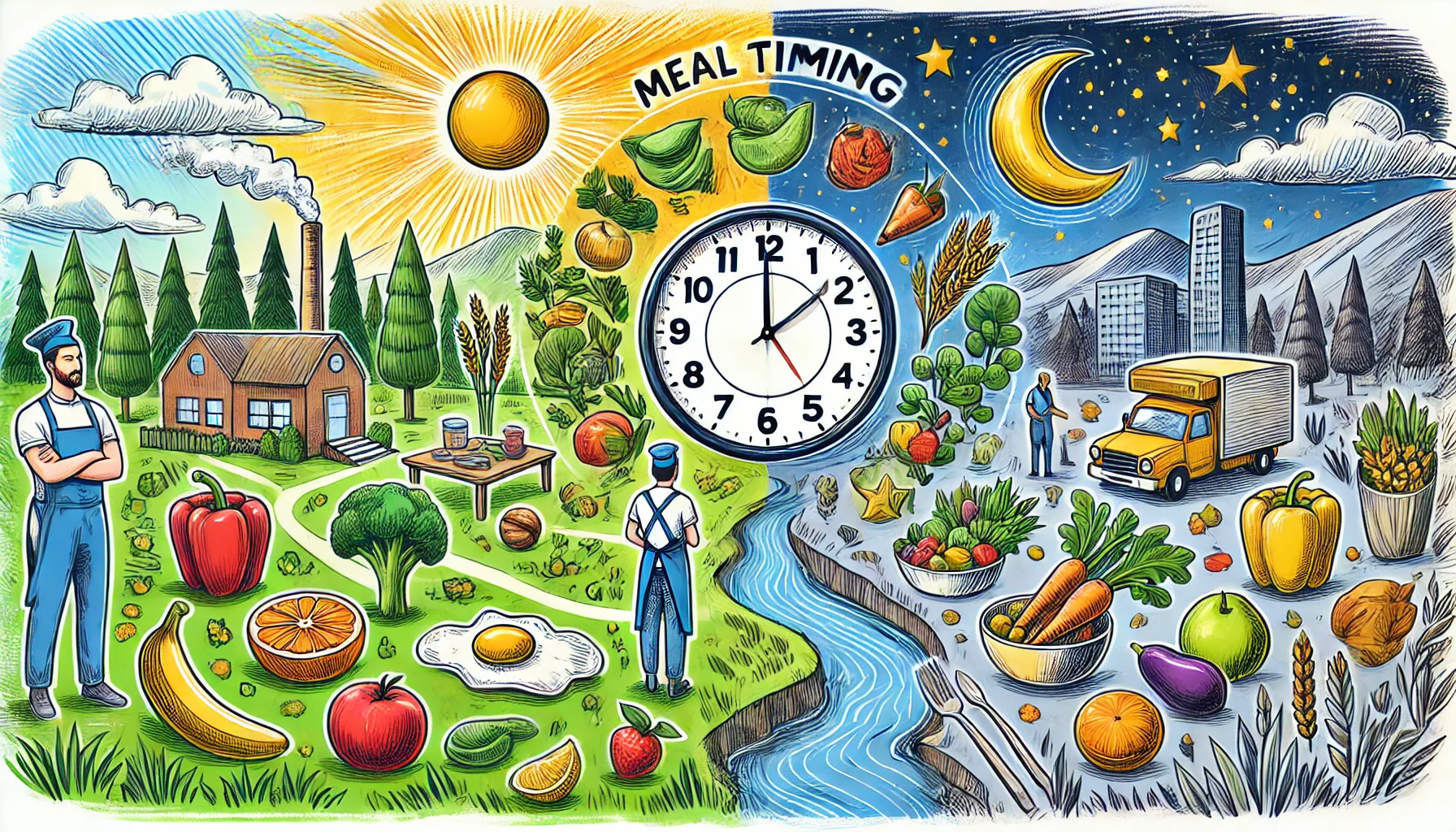
Shift work can pose significant challenges to maintaining a healthy diet and stable meal timing. Irregular hours and disrupted circadian rhythms can lead to poor eating habits, weight gain, and metabolic issues. However, with strategic planning and mindful choices, shift workers can optimize their meal timing to support better health and well-being. This blog provides practical meal timing tips specifically tailored for shift workers to help manage their nutrition effectively.
Shift work often disrupts the body’s natural sleep-wake cycle, affecting digestion, appetite, and energy levels. By aligning meal times with work schedules and focusing on nutrient-dense foods, shift workers can mitigate these effects and maintain stable blood sugar levels, improve energy, and promote overall health.
1. Plan Ahead and Prepare Meals
- Meal prepping: Prepare meals in advance to ensure you have healthy options available during your shifts.
- Batch cooking: Cook large portions of healthy meals that can be easily divided into servings and stored for quick access.
- Healthy snacks: Keep nutritious snacks like fruits, nuts, yogurt, and cut-up vegetables ready to grab and go.
- Portable options: Choose meals and snacks that are easy to transport and do not require refrigeration or extensive preparation.
- Avoid junk food: Planning ahead helps avoid reliance on vending machines or fast food, which can be high in unhealthy fats and sugars.
2. Align Meals with Your Shift Schedule
- Pre-shift meal: Eat a balanced meal before your shift to provide sustained energy and prevent hunger.
- Mid-shift snacks: Include healthy snacks during your shift to maintain energy levels and avoid extreme hunger.
- Post-shift meal: Have a light meal after your shift to help with recovery and prepare your body for rest.
- Consistent timing: Try to eat meals at roughly the same times each day to create a routine, even if your shift changes.
- Avoid heavy meals: Opt for lighter meals during night shifts to prevent digestive discomfort and improve sleep quality.
3. Focus on Balanced Nutrition
- Macronutrient balance: Ensure each meal includes a mix of carbohydrates, protein, and healthy fats for sustained energy and satiety.
- Complex carbohydrates: Choose whole grains, legumes, and vegetables over simple carbohydrates to prevent blood sugar spikes.
- Lean proteins: Incorporate sources like chicken, fish, tofu, and beans to support muscle repair and overall health.
- Healthy fats: Include avocados, nuts, seeds, and olive oil for essential fatty acids and satiety.
- Fiber: Add fiber-rich foods to meals to aid digestion and promote fullness.
4. Stay Hydrated
- Regular water intake: Drink water consistently throughout your shift to stay hydrated and prevent fatigue.
- Limit caffeine: Reduce consumption of caffeinated beverages, especially toward the end of your shift, to avoid disrupting your sleep.
- Hydrating foods: Include water-rich foods like cucumbers, watermelon, and oranges to contribute to overall hydration.
- Avoid sugary drinks: Steer clear of sodas and energy drinks that can lead to blood sugar crashes.
- Electrolytes: Consider electrolyte-rich drinks if your work environment is physically demanding and causes significant sweating.
5. Manage Caffeine Intake
- Timing: Consume caffeine early in your shift to benefit from its alertness-boosting effects without interfering with sleep.
- Moderation: Limit caffeine to moderate amounts to avoid jitteriness and dependency.
- Alternative beverages: Opt for herbal teas or decaffeinated drinks as the shift progresses.
- Gradual reduction: Gradually reduce caffeine intake toward the end of your shift to allow your body to wind down.
- Awareness: Be mindful of hidden caffeine in foods and medications.
6. Prioritize Sleep and Rest
- Sleep schedule: Try to maintain a consistent sleep schedule, even on days off, to regulate your body’s internal clock.
- Sleep environment: Create a sleep-friendly environment with blackout curtains, earplugs, and a comfortable mattress.
- Pre-sleep routine: Develop a calming pre-sleep routine, such as reading or taking a warm bath, to signal your body that it’s time to rest.
- Post-shift meal timing: Avoid large meals right before bed to prevent indigestion and improve sleep quality.
- Napping: Consider short naps before or after shifts to supplement sleep and enhance alertness.
7. Healthy Snacking Strategies
- Nutrient-dense snacks: Choose snacks that provide lasting energy and essential nutrients, such as nuts, seeds, yogurt, and fruit.
- Portion control: Pre-portion snacks to avoid overeating and ensure balanced intake.
- Low-glycemic options: Opt for low-glycemic snacks like apple slices with almond butter or carrot sticks with hummus to maintain stable blood sugar levels.
- Avoid junk food: Keep unhealthy snacks out of reach to reduce temptation.
- Snack frequency: Space snacks evenly throughout your shift to prevent hunger and maintain energy levels.
8. Incorporate Physical Activity
- Short breaks: Use short breaks to move around and engage in light physical activity, which can boost energy and metabolism.
- Stretching: Incorporate stretching exercises to relieve muscle tension and improve circulation.
- Active commuting: If possible, walk or bike to work to include physical activity in your daily routine.
- Exercise timing: Find a time for exercise that fits your schedule and doesn’t interfere with sleep.
- Consistency: Aim for regular physical activity to support overall health and well-being.
9. Address Emotional and Social Eating
- Stress management: Develop healthy ways to manage stress, such as deep breathing exercises, meditation, or talking to a friend.
- Mindful eating: Pay attention to your eating habits and avoid using food as a coping mechanism for stress or boredom.
- Social support: Connect with friends, family, or colleagues to share experiences and find support.
- Alternative activities: Engage in activities that bring joy and relaxation to prevent emotional eating.
- Professional help: Seek guidance from a nutritionist or counselor if emotional eating becomes a persistent issue.
10. Personalized Nutrition Plans
- Individual needs: Recognize that each person’s nutritional needs and preferences are different, and tailor your meal timing accordingly.
- Consult professionals: Work with a dietitian or nutritionist to create a personalized meal plan that aligns with your shift work schedule and health goals.
- Monitor responses: Pay attention to how your body responds to different meal timings and adjust as needed.
- Flexibility: Be flexible and willing to adjust your eating schedule based on changes in your shift patterns and lifestyle.
- Continuous improvement: Regularly evaluate your meal timing and nutritional choices to make ongoing improvements.
In conclusion, meal timing for shift workers requires careful planning and consideration of individual needs and schedules. By preparing meals in advance, aligning meals with shift schedules, focusing on balanced nutrition, and staying hydrated, shift workers can maintain stable blood sugar levels and overall health. Managing caffeine intake, prioritizing sleep, incorporating physical activity, and addressing emotional eating further support a healthy lifestyle. Personalized nutrition plans and flexibility are key to achieving long-term success in managing meal timing and maintaining well-being while working shifts.