
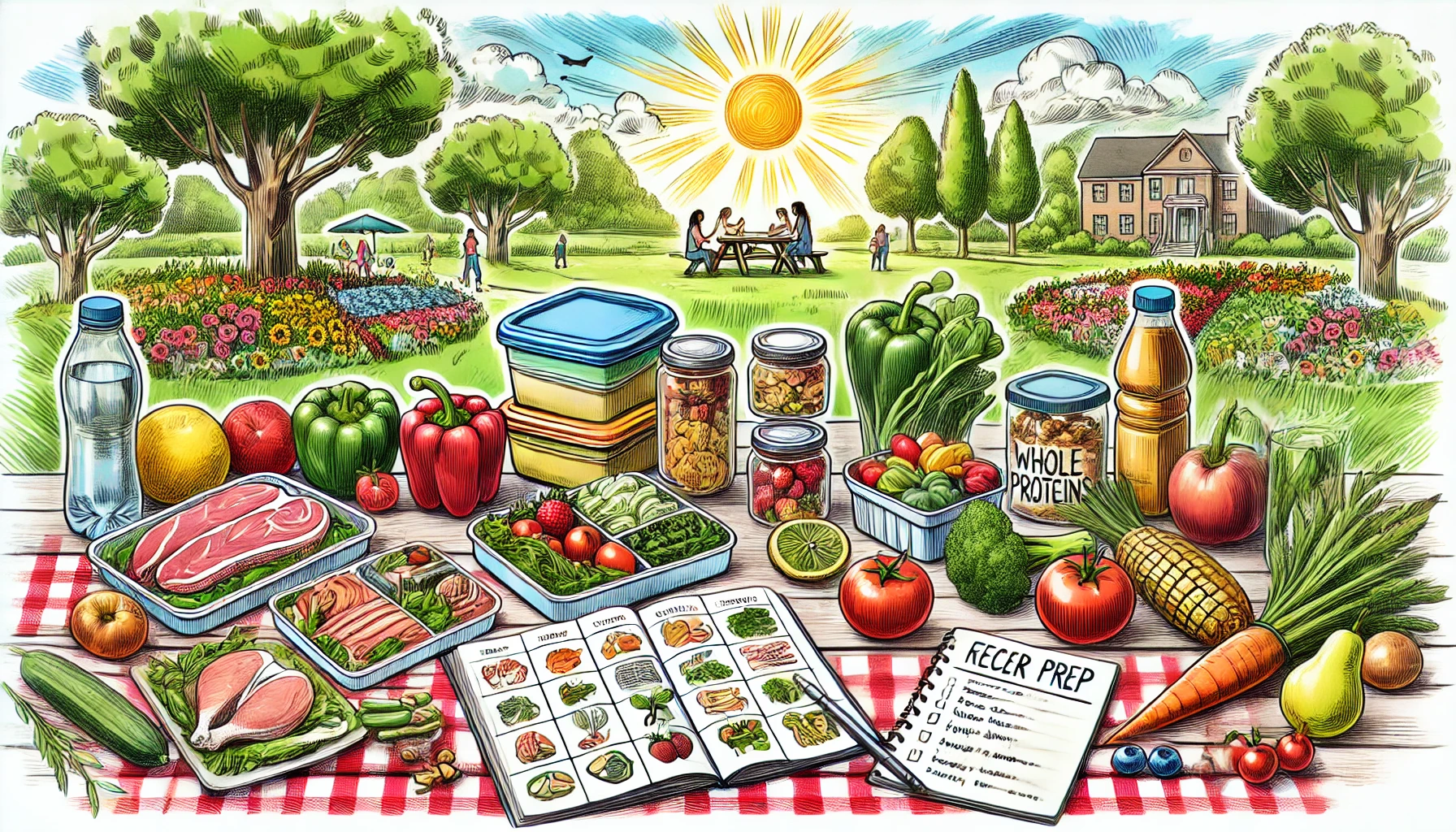
Effective meal planning is a key component of maintaining a balanced diet, ensuring you get the necessary nutrients to support overall health and well-being. By organizing your meals in advance, you can save time, reduce stress, and make healthier food choices. This guide provides practical tips and tricks to help you create a balanced meal plan that fits your lifestyle and nutritional needs.
A balanced diet includes a variety of foods from all major food groups: fruits, vegetables, whole grains, proteins, and healthy fats. By incorporating these elements into your meal planning, you can ensure that your diet is both nutritious and enjoyable.
1. Understanding the Basics of a Balanced Diet
- Macronutrients: Include a mix of carbohydrates, proteins, and fats in each meal for sustained energy and overall health.
- Micronutrients: Ensure adequate intake of vitamins and minerals by incorporating a variety of fruits, vegetables, and whole grains.
- Portion Control: Use portion control to avoid overeating and ensure balanced intake of all food groups.
- Hydration: Don’t forget to include plenty of water throughout the day to stay hydrated and support bodily functions.
2. Plan Your Meals Around Key Food Groups
- Fruits and Vegetables: Aim to fill half your plate with a variety of colorful fruits and vegetables to ensure a range of nutrients.
- Whole Grains: Make one-quarter of your plate whole grains such as brown rice, quinoa, or whole wheat bread.
- Lean Proteins: Fill the remaining quarter with lean proteins like chicken, fish, beans, or tofu.
- Healthy Fats: Include sources of healthy fats, such as avocados, nuts, seeds, and olive oil, in your meals.
- Dairy or Alternatives: Add low-fat dairy or fortified dairy alternatives to provide calcium and vitamin D.
3. Set Realistic Goals
- SMART Goals: Set Specific, Measurable, Achievable, Relevant, and Time-bound goals for your meal planning.
- Start Small: Begin with planning just a few meals a week and gradually increase as you become more comfortable.
- Adjust as Needed: Be flexible and adjust your plan based on what works best for you and your family.
4. Create a Weekly Meal Plan
- Theme Nights: Assign themes to different nights (e.g., Meatless Monday, Taco Tuesday) to simplify planning and make it fun.
- Balanced Recipes: Choose recipes that include a balance of macronutrients and a variety of food groups.
- Batch Cooking: Plan for batch cooking to save time and ensure you have healthy meals ready for busy days.
- Snack Planning: Include healthy snacks in your meal plan, such as fruits, nuts, yogurt, and vegetables with hummus.
5. Make a Shopping List
- Inventory Check: Check your pantry, fridge, and freezer to see what you already have before making your list.
- Organize by Section: Organize your shopping list by sections (produce, dairy, grains, etc.) to make grocery shopping more efficient.
- Stick to the List: Avoid impulse purchases by sticking to your shopping list.
6. Meal Prep Tips
- Prep Ingredients: Wash, chop, and portion out ingredients ahead of time to make cooking quicker and easier.
- Cook in Batches: Prepare large quantities of staples like grains, proteins, and roasted vegetables that can be used in multiple meals.
- Use Containers: Store prepped ingredients and meals in clear containers so you can easily see what you have.
- Freezer-Friendly Meals: Make freezer-friendly meals that can be reheated on busy days.
7. Time-Saving Strategies
- Simple Recipes: Choose simple recipes that require minimal ingredients and steps.
- Slow Cooker and Instant Pot: Utilize slow cookers or Instant Pots for hands-off cooking.
- One-Pan Meals: Opt for one-pan or sheet-pan meals to reduce cleanup time.
- Leftovers: Plan for leftovers to use for lunches or dinner the next day.
8. Incorporate Variety
- Seasonal Produce: Use seasonal produce to keep meals fresh and varied.
- Try New Recipes: Experiment with new recipes and ingredients to keep meal planning interesting.
- Global Flavors: Incorporate global flavors and cuisines to add excitement and diversity to your meals.
- Alternate Proteins: Rotate different protein sources like beans, lentils, fish, poultry, and tofu to avoid monotony.
9. Monitor Your Progress
- Track Meals: Keep a meal planning journal or use an app to track what you’ve planned and eaten.
- Evaluate: Regularly evaluate what’s working and what’s not, and adjust your plan accordingly.
- Stay Flexible: Be flexible and adaptable; it’s okay to change plans as needed.
10. Make it Enjoyable
- Involve Family: Involve family members in meal planning and preparation to make it a fun, collaborative activity.
- Cooking Together: Cook together to spend quality time and teach children about healthy eating habits.
- Enjoy the Process: Focus on enjoying the process of planning, preparing, and eating meals.
Sample Meal Plan
Day 1:
- Breakfast: Greek yogurt with mixed berries, honey, and granola.
- Lunch: Quinoa salad with chickpeas, cucumbers, tomatoes, feta cheese, and lemon-tahini dressing.
- Dinner: Baked salmon with brown rice, steamed broccoli, and a side salad.
- Snack: Apple slices with almond butter.
Day 2:
- Breakfast: Overnight oats with chia seeds, banana slices, and a drizzle of maple syrup.
- Lunch: Turkey and avocado wrap with whole wheat tortilla, lettuce, and tomato.
- Dinner: Stir-fried tofu with mixed vegetables and soba noodles in a ginger-soy sauce.
- Snack: Carrot sticks with hummus.
Day 3:
- Breakfast: Smoothie with spinach, frozen berries, banana, and almond milk.
- Lunch: Lentil soup with a side of whole grain bread.
- Dinner: Chicken fajitas with bell peppers, onions, whole wheat tortillas, and salsa.
- Snack: Handful of mixed nuts.
By following these tips and tricks for meal planning, you can ensure a balanced diet that supports your health and fits into your lifestyle. Remember, the key to successful meal planning is flexibility, variety, and consistency. With a bit of organization and creativity, you can enjoy nutritious, delicious meals every day.