
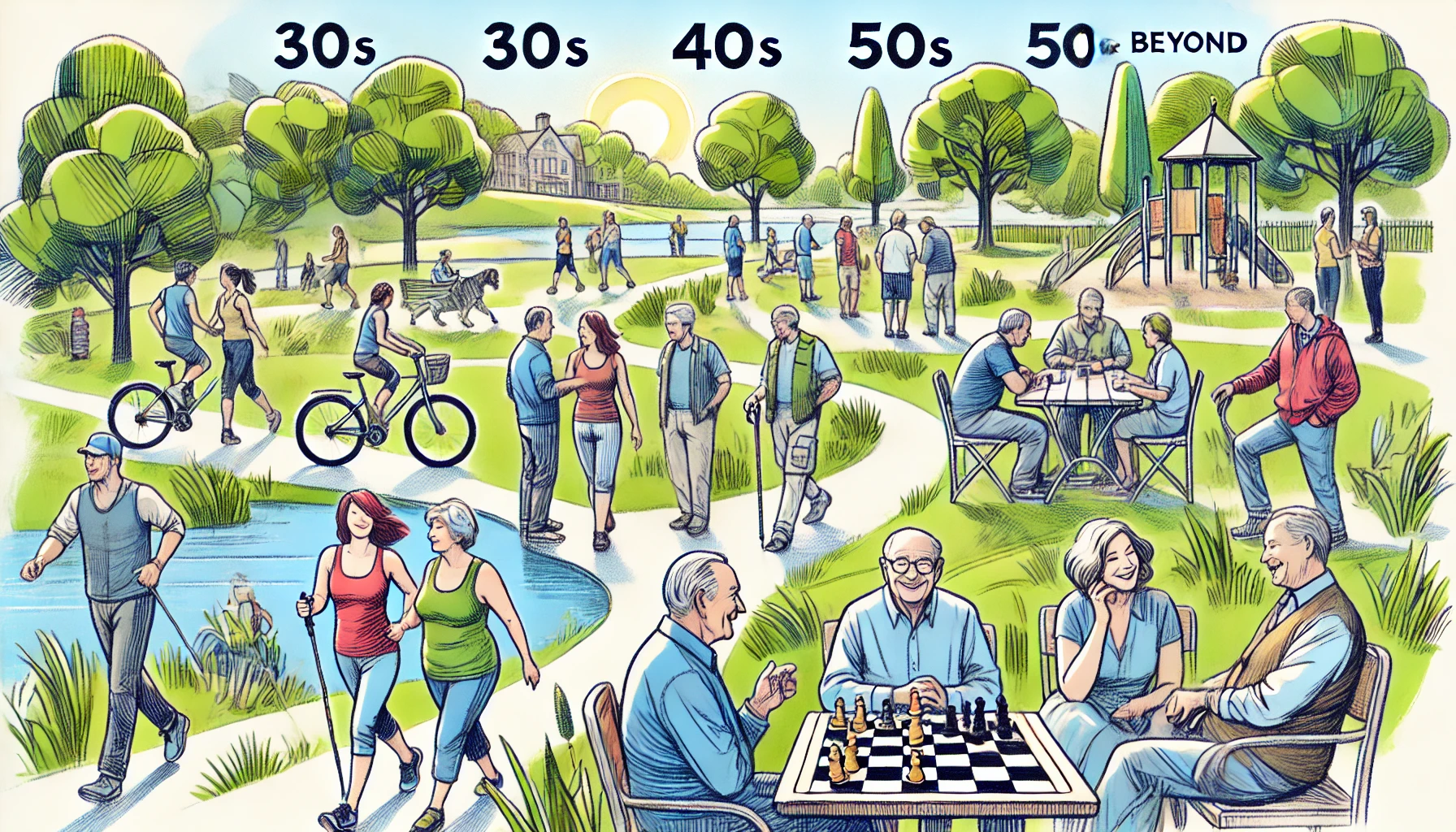
Making friends can be a daunting task at any age, but it often becomes more challenging as we grow older. In our 30s, 40s, 50s, and beyond, our social circles can change dramatically due to various life events, such as career changes, relocations, or family commitments. However, forming new friendships later in life can be incredibly rewarding, bringing fresh perspectives, shared experiences, and mutual support. This blog explores ten strategies for making friends in your 30s, 40s, 50s, and beyond, providing practical advice to help you expand your social network.
Whether you’re looking to replace old friendships that have faded or simply seeking to add new dimensions to your social life, these strategies will guide you through the process of making meaningful connections.
1. Leverage Your Existing Network
- Reach out to old friends or acquaintances you’ve lost touch with. A simple message or call can rekindle past connections.
- Attend reunions, whether they are school, work, or family gatherings, to reconnect with familiar faces.
- Ask current friends to introduce you to their social circles. Friend-of-a-friend connections can be a great way to meet new people.
- Use social media platforms to reconnect and engage with people from your past.
- Join alumni groups or organizations related to your previous schools or workplaces.
2. Pursue New Hobbies and Interests
- Take up a new hobby or revisit an old one. Engaging in activities you love can lead to meeting like-minded individuals.
- Join clubs, groups, or classes related to your interests, such as book clubs, cooking classes, or hiking groups.
- Attend workshops or seminars on topics that fascinate you. These environments are perfect for sparking conversations.
- Volunteer for causes you care about. Volunteering not only contributes to a good cause but also connects you with people who share your values.
- Participate in community events, such as local fairs, festivals, or public lectures.
3. Utilize Online Platforms
- Join online communities and forums that align with your interests. Many websites and social media groups cater to specific hobbies and topics.
- Use friend-making apps designed for adults, like Bumble BFF, Meetup, or Friender, to find people with similar interests.
- Engage in online classes or webinars where interaction is encouraged. These platforms often have forums or chat groups.
- Participate in virtual events and meetups if physical attendance is not feasible.
- Maintain a balance between online interactions and in-person meetings to build stronger connections.
4. Be Open and Approachable
- Practice good body language, such as maintaining eye contact, smiling, and having an open posture, to appear approachable.
- Show genuine interest in others by asking questions and actively listening to their responses.
- Be willing to share about yourself. Authenticity can foster trust and deeper connections.
- Attend social gatherings with a positive and open mindset, ready to meet new people.
- Remember that making friends takes time, so be patient and persistent.
5. Join Professional Organizations
- Become a member of professional organizations or industry groups related to your career.
- Attend conferences, networking events, and workshops in your field. These events are ideal for meeting people with similar professional interests.
- Participate in online forums and discussion groups related to your profession.
- Offer to mentor or be mentored. These relationships can evolve into meaningful friendships.
- Engage in social events organized by your workplace or industry groups.
6. Engage in Physical Activities
- Join a local gym, yoga studio, or fitness class. Regular attendance can help you meet people with similar health goals.
- Participate in recreational sports leagues or community sports teams.
- Explore outdoor activities, such as hiking, biking, or running clubs.
- Attend wellness retreats or fitness camps to bond with others over shared interests.
- Use fitness apps or groups that organize local workout meetups.
7. Volunteer Your Time
- Find local volunteer opportunities that match your interests, such as animal shelters, community kitchens, or environmental groups.
- Commit to regular volunteering to establish routines and familiarity with fellow volunteers.
- Participate in one-time events or projects to meet a variety of people.
- Volunteer for leadership roles within volunteer organizations to increase your engagement and visibility.
- Use websites like VolunteerMatch or local community boards to find opportunities.
8. Attend Social and Community Events
- Keep an eye on local event listings, such as concerts, art exhibitions, and theater performances.
- Attend community festivals, fairs, and public celebrations to engage with your local community.
- Participate in local clubs or societies that host regular events, such as gardening clubs or historical societies.
- Join community centers or recreational facilities that offer a range of social activities.
- Engage in neighborhood activities and be open to attending gatherings hosted by your neighbors.
9. Take Classes or Workshops
- Enroll in continuing education classes offered by local colleges or community centers.
- Join creative workshops, such as painting, pottery, or writing classes, to meet others with similar creative interests.
- Attend personal development seminars or life skills workshops.
- Look for specialized classes that cater to your unique interests, such as cooking, dance, or language classes.
- Participate in local adult education programs that offer a range of subjects.
10. Be Consistent and Follow Up
- Consistency is key. Regularly attend group meetings or activities to build familiarity and trust.
- Follow up with new acquaintances after meeting them. A simple message or invitation to meet again can solidify new connections.
- Schedule regular catch-ups or activities with new friends to maintain and strengthen your relationship.
- Be proactive in organizing social events or gatherings to bring people together.
- Show appreciation and gratitude for the new friendships you form, reinforcing the connection.
Conclusion
Making friends in your 30s, 40s, 50s, and beyond may require more effort and intention than in your younger years, but it is entirely possible and can be immensely rewarding. By leveraging your existing network, pursuing new hobbies, utilizing online platforms, and being open and approachable, you can expand your social circle and form meaningful connections. Engaging in professional organizations, physical activities, volunteering, attending social events, taking classes, and being consistent in your efforts will further enhance your ability to make new friends.
Remember, building new friendships takes time and patience, but the effort is worth it. Meaningful friendships enrich our lives, providing support, joy, and a sense of belonging. Embrace these strategies, and you’ll find that making friends at any age is not only possible but also fulfilling and fun.