
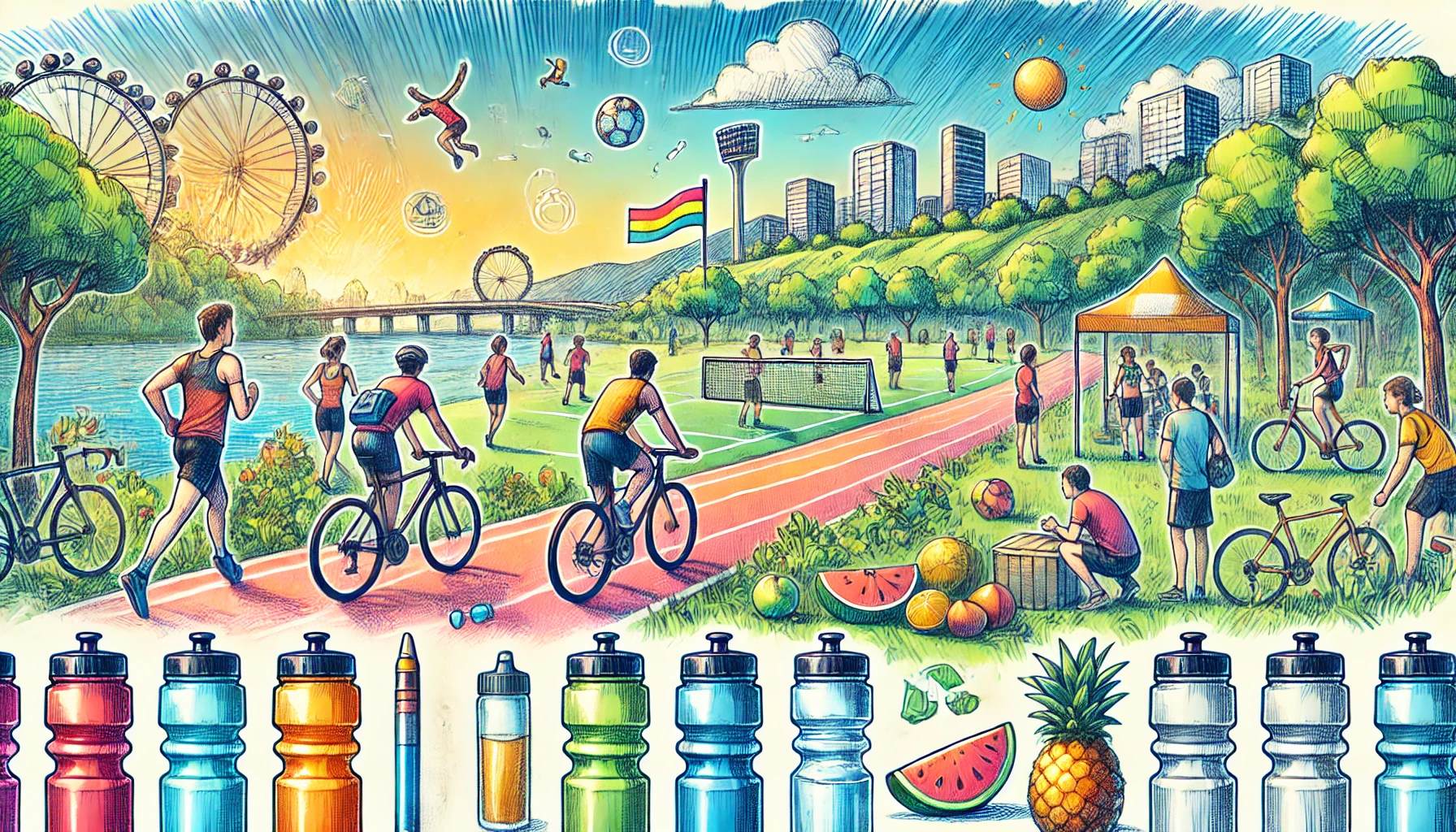
Proper hydration is crucial for athletes and active individuals to maintain peak performance and overall health. Water plays a vital role in regulating body temperature, lubricating joints, and transporting nutrients throughout the body. Dehydration can impair athletic performance, increase the risk of injury, and negatively affect recovery. This comprehensive guide provides hydration tips tailored for athletes and active individuals, helping you stay hydrated and perform at your best.
Understanding your body’s hydration needs during physical activity is essential for optimizing performance and recovery. Different sports and exercise intensities demand varying hydration strategies. By following these tips, you can ensure adequate fluid intake before, during, and after exercise, thereby enhancing your athletic capabilities and reducing the risk of dehydration-related issues.
1. Importance of Hydration for Athletes
- Regulates Body Temperature: During exercise, your body generates heat, and sweating helps cool it down. Adequate hydration ensures efficient sweating and temperature regulation.
- Maintains Blood Volume: Proper hydration keeps blood volume stable, supporting cardiovascular function and oxygen delivery to muscles.
- Enhances Muscle Function: Water is essential for muscle contractions and preventing cramps and spasms.
- Supports Recovery: Hydration aids in the repair and recovery of muscles post-exercise by facilitating nutrient and waste product transport.
- Improves Endurance: Staying hydrated helps maintain stamina and reduce fatigue during prolonged physical activity.
2. Pre-Exercise Hydration Strategies
- Start Hydrating Early: Begin hydrating at least 24 hours before a workout or competition to ensure your body is adequately hydrated.
- Drink Ample Water: Aim to drink 17-20 ounces of water 2-3 hours before exercising and an additional 8-10 ounces 20-30 minutes prior to starting.
- Monitor Urine Color: Light yellow urine indicates proper hydration, while dark yellow suggests a need for more fluids.
- Avoid Diuretics: Limit the intake of diuretics such as caffeine and alcohol before exercise, as they can increase urine production and lead to dehydration.
- Consider Electrolytes: For intense workouts or hot climates, consume an electrolyte-rich beverage to ensure balanced hydration.
3. Hydration During Exercise
- Establish a Hydration Plan: Develop a hydration strategy tailored to your sport, exercise intensity, and duration.
- Sip Regularly: Drink small amounts of water every 15-20 minutes during exercise to maintain fluid balance.
- Use Sports Drinks: For workouts exceeding 60 minutes, consider sports drinks that contain electrolytes and carbohydrates to replace lost nutrients and provide energy.
- Monitor Sweat Loss: Weigh yourself before and after exercise to estimate fluid loss and adjust your intake accordingly.
- Stay Cool: Use cooling methods such as ice packs or wet towels to help regulate body temperature and reduce sweat loss.
4. Post-Exercise Hydration
- Rehydrate Promptly: Begin rehydrating immediately after exercise to replace lost fluids and support recovery.
- Use the 150% Rule: Aim to drink 150% of the fluid lost during exercise. For example, if you lose 1 liter of sweat, drink 1.5 liters of water.
- Consume Electrolytes: Replenish electrolytes by consuming sports drinks, electrolyte tablets, or foods rich in potassium and sodium.
- Include Protein and Carbohydrates: A balanced post-exercise meal with protein and carbohydrates can enhance recovery and replenish glycogen stores.
- Monitor Hydration Status: Continue to monitor urine color and quantity to ensure ongoing hydration.
5. Hydrating Foods for Athletes
- Water-Rich Fruits: Incorporate fruits like watermelon, oranges, and strawberries into your diet for added hydration.
- Vegetables: Eat vegetables such as cucumbers, celery, and bell peppers, which have high water content.
- Soups and Broths: Liquid-based foods like soups and broths can contribute significantly to your fluid intake.
- Smoothies: Prepare smoothies with hydrating ingredients like fruits, vegetables, and yogurt for a nutrient-rich hydration boost.
- Dairy Products: Milk and yogurt provide hydration along with essential nutrients like calcium and protein.
6. Special Considerations for Different Sports
- Endurance Sports: Long-distance runners and cyclists should focus on consistent hydration throughout the event, using sports drinks to maintain electrolyte balance.
- Team Sports: Athletes in sports like soccer or basketball should hydrate during breaks and halftime, ensuring they have access to water or sports drinks.
- Strength Training: Weightlifters and bodybuilders should sip water between sets and ensure they are well-hydrated before and after workouts.
- Swimming: Swimmers may not feel as thirsty due to being in water, so it’s important to establish a hydration routine before and after practice.
- Winter Sports: Skiers and snowboarders should stay hydrated despite the cold, as altitude and physical exertion can increase fluid needs.
7. Hydration and Climate Considerations
- Hot Weather: Increase water intake in hot and humid conditions to compensate for higher sweat loss and prevent heat-related illnesses.
- Cold Weather: Cold climates can reduce the sensation of thirst; ensure regular hydration to avoid dehydration, which can be exacerbated by altitude and dry air.
- Altitude: High altitudes can increase fluid loss through respiration and urination; drink more water to stay hydrated.
- Travel: When traveling for competitions, adjust your hydration plan to accommodate changes in climate, altitude, and time zones.
8. Monitoring Hydration Status
- Track Fluid Intake: Use hydration apps or journals to keep track of your daily water intake and ensure you meet your hydration goals.
- Urine Color Chart: Use a urine color chart to assess your hydration status; aim for light yellow urine.
- Sweat Rate Calculation: Calculate your sweat rate by measuring fluid loss during exercise to personalize your hydration plan.
- Hydration Devices: Consider using smart water bottles or hydration monitors to receive real-time feedback on your fluid intake.
- Regular Weigh-Ins: Weigh yourself before and after exercise to monitor fluid loss and adjust your hydration strategy accordingly.
9. Avoiding Dehydration Pitfalls
- Don’t Ignore Thirst: Always respond to feelings of thirst by drinking water; thirst is a signal that your body needs fluids.
- Avoid Overhydration: Drinking too much water too quickly can lead to hyponatremia, a dangerous condition where blood sodium levels drop too low.
- Stay Consistent: Maintain a consistent hydration routine, even on rest days, to support overall health and readiness for physical activity.
- Educate Yourself: Stay informed about the signs of dehydration and how to prevent it, especially in extreme weather conditions.
- Hydrate with Purpose: Focus on drinking water purposefully rather than mindlessly sipping, ensuring you meet your specific hydration needs.
10. Innovative Hydration Solutions
- Smart Water Bottles: Use smart water bottles that track your water intake and remind you to drink regularly through notifications.
- Hydration Apps: Utilize hydration apps to set goals, track progress, and receive reminders to drink water.
- Electrolyte Tablets: Dissolve electrolyte tablets in water to enhance hydration during and after intense workouts.
- Infusion Bottles: Infuse water with fruits, herbs, and vegetables to add flavor and make drinking water more enjoyable.
- Portable Water Filters: For outdoor athletes, portable water filters ensure access to safe drinking water during activities like hiking and camping.
Staying properly hydrated is essential for athletes and active individuals to perform at their best and maintain overall health. By understanding the importance of hydration, implementing effective strategies before, during, and after exercise, and utilizing innovative hydration solutions, you can prevent dehydration and optimize your athletic performance. Make hydration a priority in your training routine and experience the benefits of enhanced endurance, recovery, and overall well-being.