
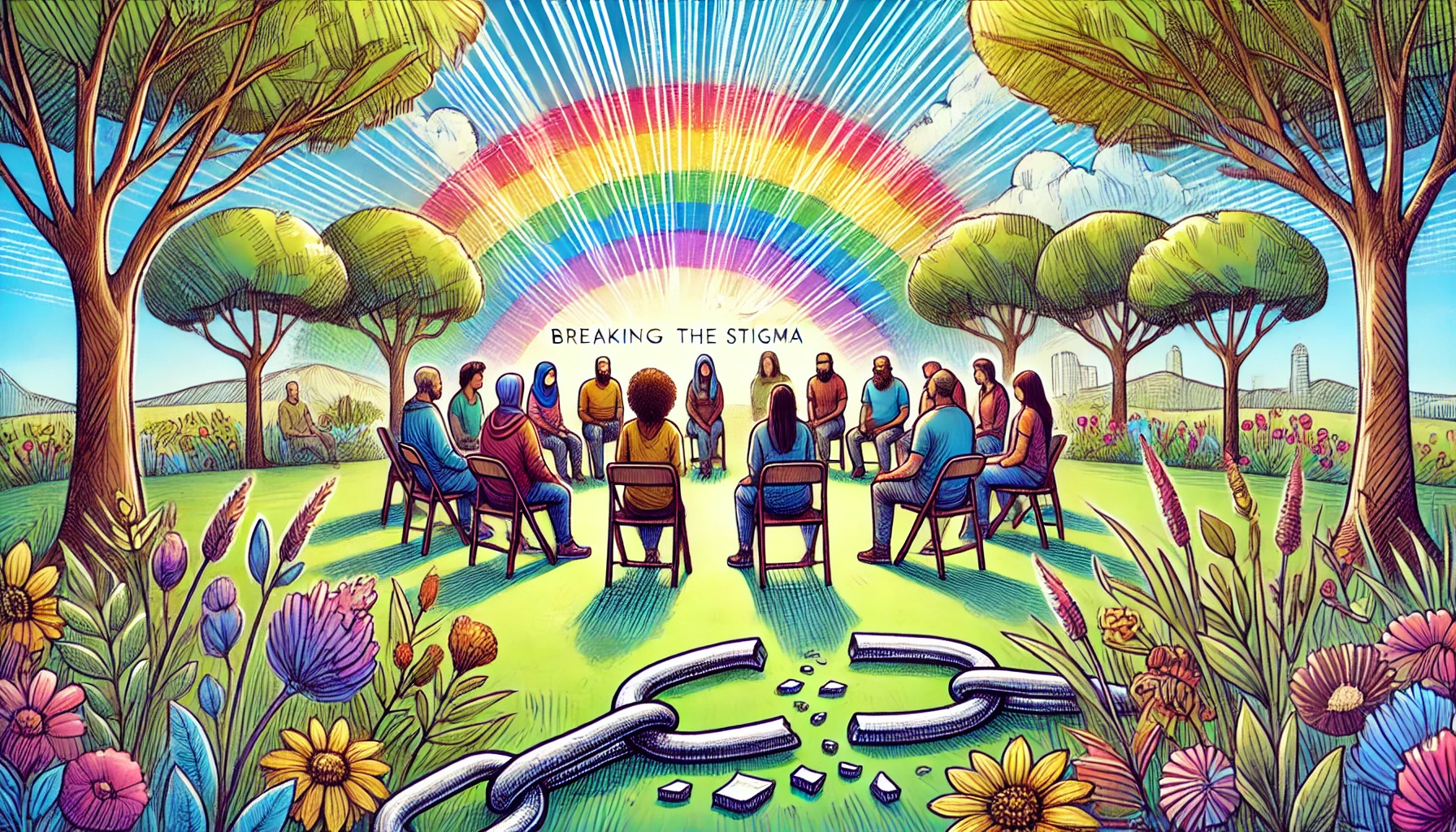
Talking about mental health is crucial for breaking the stigma that surrounds it. Stigma often leads to misunderstanding, discrimination, and isolation, preventing individuals from seeking the help they need. Open conversations about mental health can foster understanding, promote empathy, and encourage people to share their experiences without fear of judgment. Whether in personal relationships, workplaces, or public settings, discussing mental health openly and respectfully can contribute to a more inclusive and supportive society.
Many people find it challenging to talk about mental health due to discomfort, lack of knowledge, or fear of saying the wrong thing. However, with the right approach and sensitivity, it is possible to have meaningful conversations that break down barriers and build connections. This blog will explore practical tips for talking about mental health, offering guidance on how to approach the topic with compassion and understanding. By promoting open dialogue, we can work together to break the stigma and create a more accepting environment for all.
1. Educate Yourself About Mental Health
- Understand Mental Health Basics: Learn about common mental health conditions, their symptoms, and available treatments. This knowledge will help you speak confidently and accurately.
- Recognize Myths and Facts: Familiarize yourself with common myths about mental health and the factual information that debunks them.
- Stay Updated: Mental health research and understanding evolve, so keep informed about new developments and best practices.
- Use Reliable Sources: Obtain information from reputable sources like mental health organizations, medical professionals, and academic institutions.
- Acknowledge the Complexity: Understand that mental health is complex and varies greatly from person to person, requiring a nuanced approach in conversations.
2. Approach the Topic with Sensitivity
- Choose the Right Time and Place: Find a quiet, private setting where the person feels comfortable and safe to discuss sensitive issues.
- Be Mindful of Body Language: Maintain open and non-threatening body language, such as making eye contact and sitting at an equal level.
- Use Compassionate Language: Speak with kindness and avoid judgmental or stigmatizing language. Use terms that respect the person’s experience.
- Listen Actively: Focus on listening rather than talking. Show that you are present and attentive to the person’s feelings and words.
- Avoid Assumptions: Do not assume you know what the person is experiencing. Let them share their story in their own words.
3. Encourage Open and Honest Dialogue
- Normalize the Conversation: Treat discussions about mental health as you would any other health-related topic, emphasizing that it’s okay to talk about it.
- Share Personal Experiences: If comfortable, share your own experiences with mental health. This can help normalize the topic and make the other person feel less alone.
- Ask Open-Ended Questions: Encourage dialogue with open-ended questions that invite the person to share more about their feelings and experiences.
- Validate Their Feelings: Acknowledge and validate the person’s feelings without trying to “fix” the situation. Sometimes, simply being heard is helpful.
- Avoid Clichés: Steer clear of clichés or overly simplistic advice, such as “just think positive” or “it could be worse.” These can feel dismissive.
4. Be Respectful and Non-Judgmental
- Respect Privacy: Honor the person’s privacy and confidentiality. Do not share their story without permission.
- Avoid Blame and Shame: Do not blame the person for their condition or suggest they are at fault for their feelings.
- Be Patient: Understand that talking about mental health can be difficult. Give the person time and space to express themselves.
- Offer Support, Not Solutions: Focus on offering support rather than trying to solve the person’s problems. Ask how you can be there for them.
- Acknowledge the Courage: Recognize the courage it takes to talk about mental health and express gratitude for their openness.
5. Use Appropriate Language
- Person-First Language: Use person-first language, such as “person with depression” rather than “depressed person,” to emphasize that they are more than their condition.
- Avoid Stigmatizing Terms: Avoid terms like “crazy,” “insane,” or “psycho,” which can perpetuate stigma and harm.
- Be Specific: When discussing conditions, use specific terms like “anxiety disorder” or “bipolar disorder” rather than vague terms like “mental issues.”
- Acknowledge Their Experience: Use phrases like “I hear you” or “That sounds challenging” to show understanding and empathy.
- Correct Misconceptions: Gently correct any misconceptions or inaccurate information shared during the conversation, offering factual information.
6. Know the Signs of Crisis and How to Respond
- Recognize Crisis Signs: Be aware of signs that someone may be in crisis, such as expressing thoughts of self-harm, suicide, or severe distress.
- Stay Calm: If someone is in crisis, stay calm and listen without panic. Offer reassurance and support.
- Offer Immediate Help: If the situation is urgent, encourage the person to seek immediate help from a mental health professional, hotline, or emergency services.
- Avoid Judging the Crisis: Do not downplay the person’s feelings or situation. Take all expressions of distress seriously.
- Follow Up: After a crisis, follow up with the person to check on their well-being and continue offering support.
7. Encourage Professional Help
- Suggest Resources: Share information about local mental health professionals, support groups, and helplines.
- Normalize Therapy: Normalize the idea of seeking professional help by discussing therapy as a positive and proactive step.
- Offer to Help Find Support: Offer assistance in finding a therapist or support group, especially if the person feels overwhelmed.
- Respect Their Choice: Respect the person’s choice to seek or not seek professional help. Offer gentle encouragement without pressure.
- Provide Information: Share information about what to expect from therapy or counseling to demystify the process.
8. Promote Mental Health Awareness
- Participate in Awareness Campaigns: Get involved in mental health awareness campaigns and encourage others to do the same.
- Share Educational Material: Share articles, videos, and other educational resources about mental health on social media or in community spaces.
- Attend Workshops and Trainings: Participate in workshops or training sessions on mental health to deepen your understanding and skills.
- Advocate for Mental Health: Advocate for mental health resources and policies in your community, workplace, or school.
- Lead by Example: Model healthy behaviors and attitudes towards mental health, demonstrating the importance of self-care and seeking support.
9. Foster a Supportive Environment
- Create Safe Spaces: Foster environments where people feel safe to express their feelings and experiences without fear of judgment.
- Encourage Inclusivity: Promote inclusivity and acceptance in all areas of life, including workplaces, schools, and social groups.
- Support Mental Health Initiatives: Support and participate in mental health initiatives, events, and programs in your community.
- Be a Role Model: Demonstrate positive attitudes towards mental health and show that it’s okay to talk about it openly.
- Promote Compassion: Encourage compassion and understanding in interactions with others, regardless of their mental health status.
10. Continue the Conversation
- Check In Regularly: Keep the conversation going by checking in with friends, family, and colleagues about their mental health.
- Share Your Journey: Continue sharing your experiences and learnings about mental health, fostering ongoing dialogue.
- Stay Informed: Keep learning about mental health issues and stay updated on new research and resources.
- Celebrate Progress: Celebrate the progress made in breaking the stigma and continue advocating for change.
- Build a Community of Support: Work towards building a community that prioritizes mental health and supports those who need it.
In conclusion, talking about mental health is essential for breaking the stigma and creating a more supportive and understanding society. By approaching the topic with sensitivity, respect, and empathy, we can encourage open dialogue and provide the necessary support to those facing mental health challenges. Educating ourselves and others, promoting mental health awareness, and fostering a supportive environment are crucial steps toward reducing stigma and helping individuals feel comfortable seeking help. Remember, every conversation about mental health can make a difference in breaking down barriers and building a more inclusive community.