
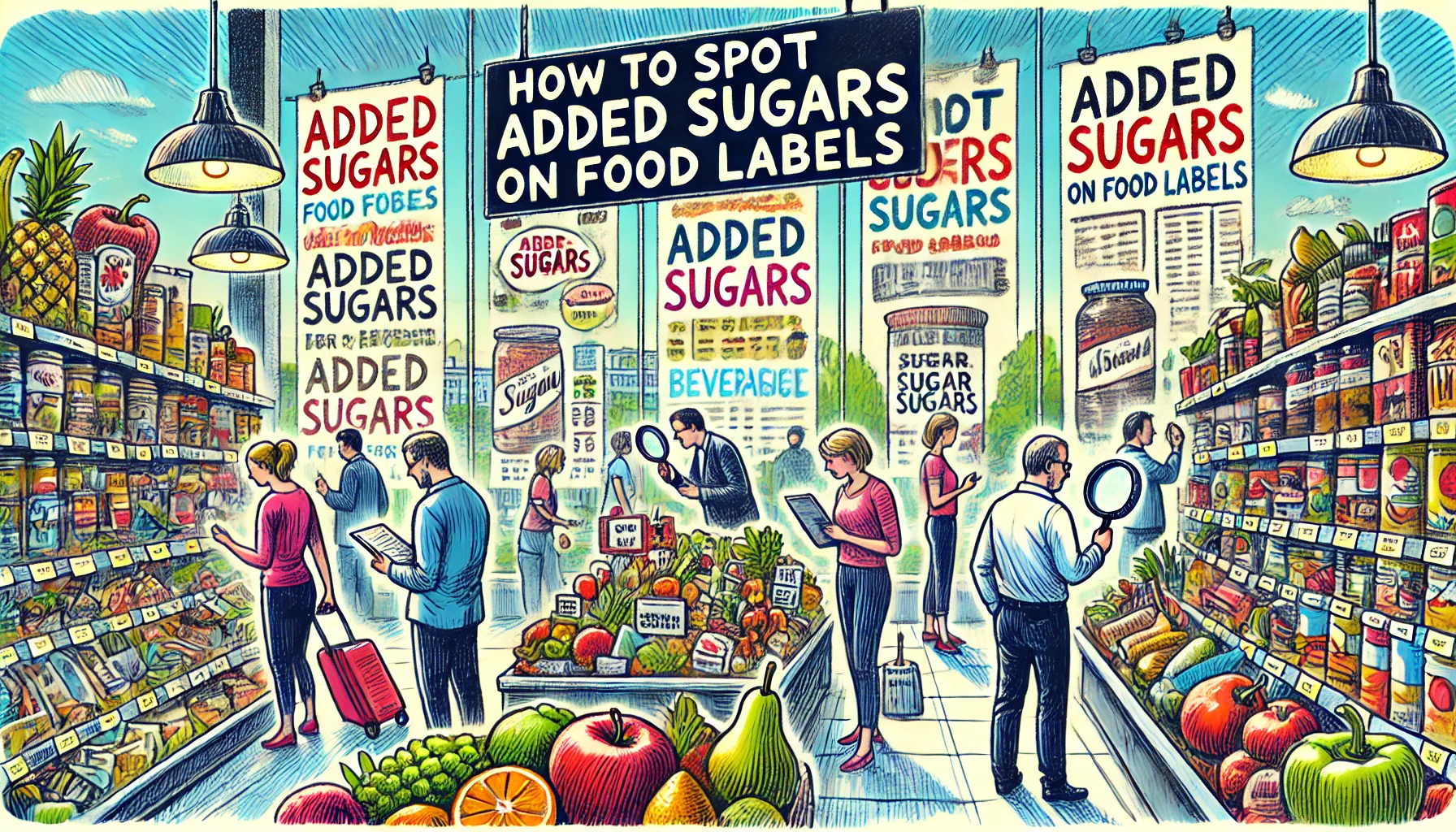
Identifying added sugars on food labels is crucial for maintaining a healthy diet and avoiding excessive sugar intake, which can lead to various health issues such as obesity, diabetes, and heart disease. This guide will help you understand how to spot added sugars on food labels, ensuring you make more informed and healthier dietary choices.
Added sugars are sugars and syrups that are added to foods during processing or preparation. Unlike natural sugars found in fruits and dairy, added sugars provide no nutritional benefit and can contribute to a range of health problems. By learning to identify these sugars on food labels, you can better control your sugar intake and improve your overall health.
1. Understanding the Nutrition Facts Label
- Total Sugars: This includes both natural and added sugars. It is important to differentiate between the two to understand how much sugar has been added to the product.
- Added Sugars: Listed separately on the Nutrition Facts label, this indicates the amount of sugars that have been added during processing.
- Daily Value: The % Daily Value (%DV) for added sugars helps you gauge how much a serving of the food contributes to your daily sugar limit, based on a 2,000-calorie diet.
- Caloric Intake: Added sugars contribute to empty calories, providing energy without nutritional benefits.
- Health Recommendations: The American Heart Association recommends that women limit added sugars to 25 grams (6 teaspoons) per day and men to 36 grams (9 teaspoons) per day.
2. Recognizing Common Names for Added Sugars
- Sugar Names: Added sugars can be listed under many different names. Common ones include sucrose, glucose, fructose, high fructose corn syrup, corn syrup, and cane sugar.
- Natural Sweeteners: Ingredients like honey, agave nectar, maple syrup, and molasses are also considered added sugars.
- Hidden Sugars: Less obvious names for added sugars include dextrose, maltose, maltodextrin, and evaporated cane juice.
- Ingredient Synonyms: Be aware of ingredients like fruit juice concentrates and nectars, which also count as added sugars.
- Multiple Sugars: Products often contain more than one type of added sugar, so check for multiple names in the ingredient list.
3. Ingredient List and Order
- Descending Order: Ingredients are listed in descending order by weight, meaning the first few ingredients make up the majority of the product. If sugars appear at the top of the list, the product is likely high in added sugars.
- First Five Ingredients: Pay particular attention to the first five ingredients to gauge the primary components of the product.
- Combined Sugars: Be aware that manufacturers sometimes use multiple types of sugars to avoid having any single sugar appear near the top of the list.
- Processed Foods: Highly processed foods tend to have longer ingredient lists with more added sugars.
- Whole Foods: Opt for products with whole food ingredients listed at the beginning to reduce added sugar intake.
4. Identifying Sugars in Different Types of Foods
- Beverages: Soft drinks, flavored waters, and sports drinks are often high in added sugars. Check the label for added sugars per serving.
- Snacks and Sweets: Candy, cookies, and pastries typically contain high amounts of added sugars. Look for alternative snacks with lower sugar content.
- Condiments and Sauces: Ketchup, barbecue sauce, and salad dressings can be surprising sources of added sugars. Choose versions labeled “no added sugar” or “reduced sugar.”
- Breakfast Foods: Many cereals, granolas, and flavored yogurts contain significant added sugars. Opt for plain or low-sugar versions.
- Canned and Packaged Foods: Even savory foods like soups, baked beans, and packaged meals can contain added sugars. Read labels carefully to spot hidden sugars.
5. Health Claims and Marketing Terms
- “No Added Sugar”: Indicates that no sugars were added during processing. However, the product may still contain natural sugars.
- “Reduced Sugar”: Means the product has at least 25% less sugar than the regular version, but it may still contain significant amounts of sugar.
- “Low Sugar”: This term is not regulated, so always check the Nutrition Facts label for actual sugar content.
- “Natural” or “Organic”: These terms do not necessarily mean low sugar. Organic sugar is still sugar.
- “Light” or “Lite”: These products may have reduced fat or calories but can still be high in added sugars.
6. Comparing Products
- Side-by-Side Comparison: Use the Nutrition Facts label to compare the sugar content of similar products.
- Serving Sizes: Ensure you compare the same serving sizes for accuracy.
- Sugar Per Serving: Calculate the amount of added sugar per serving and compare it to the recommended daily limit.
- Overall Nutritional Value: Consider the overall nutritional profile, not just the sugar content, when choosing between products.
- Ingredient Quality: Choose products with fewer, more natural ingredients to reduce added sugar intake.
7. Using Technology to Identify Added Sugars
- Barcode Scanners: Apps like MyFitnessPal, Yuka, and Fooducate allow you to scan barcodes and get detailed nutritional information, including added sugars.
- Online Databases: Websites like the USDA National Nutrient Database provide comprehensive nutritional data on foods.
- Health and Fitness Trackers: Use wearable devices and apps to monitor your daily sugar intake and stay within recommended limits.
- Dietitian Tools: Consult with a dietitian or nutritionist who can provide tools and resources for managing sugar intake.
- Educational Resources: Utilize online resources and guides to learn more about identifying and reducing added sugars in your diet.
8. Practical Tips for Reducing Added Sugars
- Read Labels: Make it a habit to read food labels and ingredient lists carefully to spot added sugars.
- Choose Whole Foods: Opt for whole, unprocessed foods like fruits, vegetables, whole grains, and lean proteins.
- Sweeten Naturally: Use natural sweeteners like fresh fruit or spices (cinnamon, nutmeg) instead of sugar in recipes.
- Limit Sugary Drinks: Replace sugary beverages with water, herbal teas, or sparkling water with a splash of fruit juice.
- Cook at Home: Prepare meals and snacks at home to have better control over the ingredients and sugar content.
9. Educating Yourself and Others
- Continuous Learning: Stay informed about different names for sugars and new labeling regulations.
- Family Education: Teach family members, especially children, about the importance of reducing added sugars.
- School and Community Programs: Participate in or support educational programs that promote healthy eating and sugar awareness.
- Recipe Modification: Learn to modify recipes to reduce added sugars without sacrificing flavor.
- Healthy Substitutes: Experiment with healthy substitutes for sugar in your cooking and baking.
10. Consulting with Health Professionals
- Dietitians and Nutritionists: Seek professional advice to develop a personalized plan for managing sugar intake.
- Regular Check-Ups: Monitor your health and nutritional status with regular check-ups.
- Health Goals: Set and achieve health goals related to reducing added sugar consumption.
- Nutritional Counseling: Consider nutritional counseling for additional support and guidance.
- Medical Advice: Follow medical advice for managing conditions like diabetes or metabolic syndrome that require strict sugar control.
Spotting added sugars on food labels is an essential skill for maintaining a healthy diet. By understanding the Nutrition Facts label, recognizing common names for added sugars, and identifying hidden sugars in different types of foods, you can better manage your sugar intake. Comparing products, using technology, and adopting practical tips for reducing added sugars will further enhance your ability to make healthier dietary choices.
Educating yourself and others about the dangers of excessive sugar consumption and seeking guidance from health professionals can also support your efforts to reduce added sugar intake and improve overall health. Start by making small changes, and gradually build your knowledge and confidence in identifying and managing added sugars in your diet.