
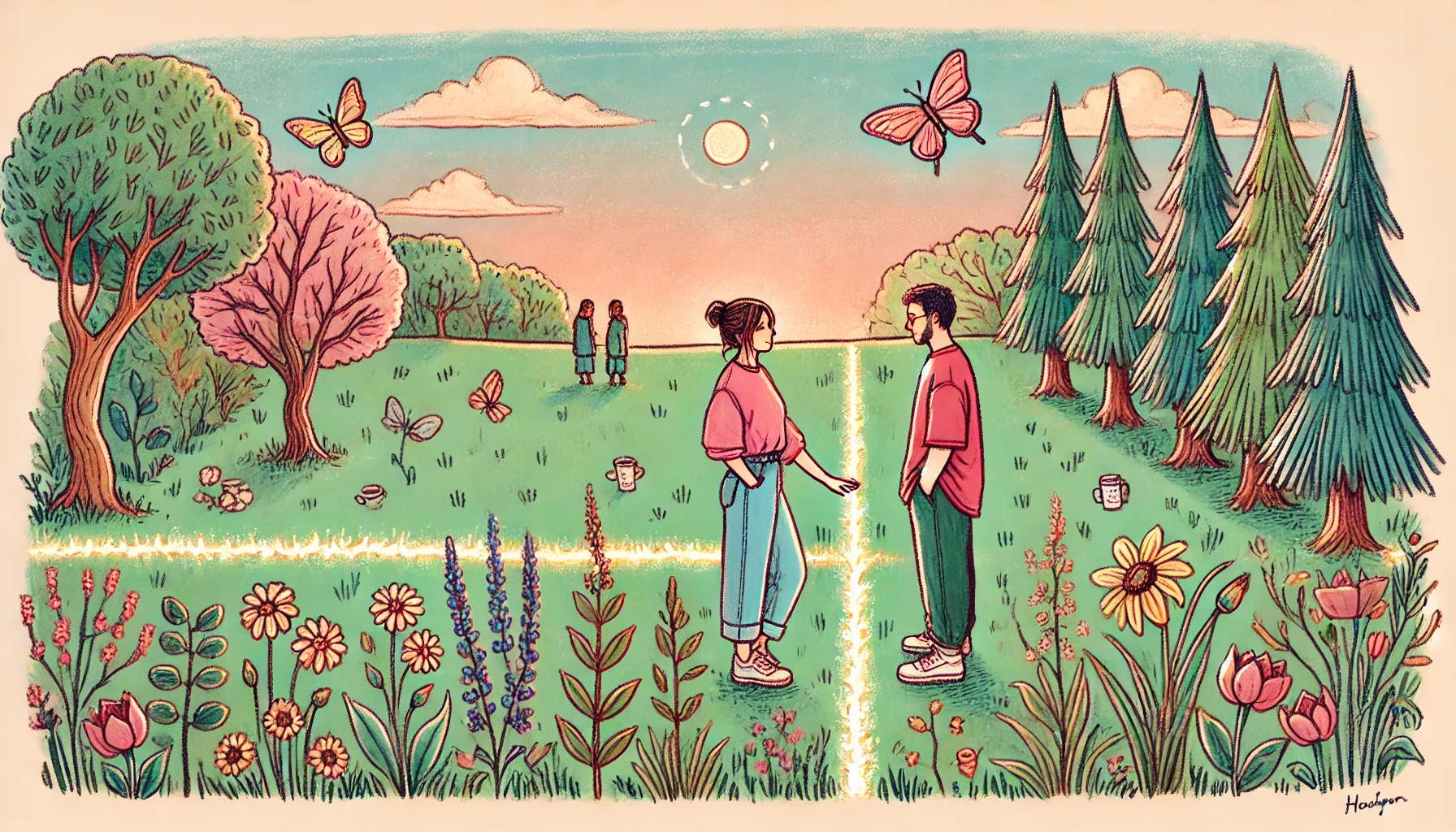
Setting boundaries with friends who don’t respect your growth is essential to protect your personal development and maintain healthy relationships. When friends dismiss or undermine your efforts to grow, it can be frustrating and discouraging. However, establishing clear boundaries can help you protect your progress and communicate the importance of your growth journey.
Here’s how to set boundaries with friends who don’t respect your growth:
1. Recognize the Signs of Disrespect
- Frequent criticism or dismissal: If your friend consistently criticizes your goals or dismisses your achievements, it’s a sign that they’re not respecting your growth journey.
- Lack of support: A friend who refuses to celebrate your successes or actively undermines your efforts to improve may not be respecting your growth.
- Pressure to stay the same: If your friend pressures you to engage in old habits or behaviors that no longer align with your goals, it’s a clear sign of disrespect.
- Jealousy or competition: If your friend exhibits jealousy or tries to compete with your progress, it could indicate insecurity or a lack of support for your growth.
- Negative reactions to change: If your friend reacts negatively to the changes you’re making in your life, it’s a sign that they’re struggling to accept and respect your growth.
2. Clarify Your Goals and Priorities
- Reflect on your growth journey: Before setting boundaries, take time to reflect on your goals and why they are important to you. This clarity will help you communicate your needs effectively.
- Understand your priorities: Identify what aspects of your growth journey are non-negotiable and what you need to protect those priorities.
- Be clear about what you need from your friendships: Consider what kind of support you need from your friends and what behaviors are unacceptable as you work toward your goals.
- Define what respect looks like: Clearly outline what respect for your growth means to you, so you can articulate these expectations to your friends.
- Prepare to discuss your journey: Being clear on your goals and priorities allows you to explain them confidently to your friends, helping them understand the importance of your growth.
3. Communicate Your Boundaries Directly
- Choose the right time and place: Find a calm, private setting to have a serious conversation about your boundaries. Make sure both you and your friend are in a receptive state of mind.
- Use “I” statements: Frame your boundaries using “I” statements to focus on your feelings and needs, rather than accusing your friend. For example, “I need to focus on my health, so I won’t be joining in for late-night parties anymore.”
- Explain the impact on your growth: Let your friend know how their behavior affects your growth journey. For instance, “When you dismiss my career goals, it makes me feel unsupported and discourages me from pursuing them.”
- Be specific about your boundaries: Clearly state what you need in order to protect your growth. For example, “I need you to respect my decision to spend more time on my studies and less time on social outings.”
- Reassure your friend: Make it clear that setting boundaries isn’t about rejecting the friendship but about ensuring it remains healthy and supportive. For example, “I value our friendship, and I want to make sure it supports both of us as we grow.”
4. Set Limits on Negative Behaviors
- Address specific behaviors: If your friend engages in behaviors that undermine your growth, address them directly. For example, “I need you to stop making jokes about my new fitness routine. It’s important to me.”
- Limit exposure to negativity: If your friend often brings negativity into your life, such as through constant complaints or criticisms, set boundaries around how often you interact or the topics you discuss.
- Establish consequences for boundary violations: Let your friend know what will happen if they continue to disrespect your boundaries. For example, “If you can’t respect my decision to focus on my career, I’ll need to take a step back from our friendship.”
- Reinforce the importance of respect: Make it clear that respect is non-negotiable in your friendship. For instance, “I need friends who support my growth, and if you can’t do that, we may need to reevaluate our relationship.”
- Encourage positive behavior: Reinforce behaviors that support your growth by acknowledging and appreciating when your friend respects your boundaries. For example, “Thank you for understanding that I need to focus on my studies. It means a lot to me.”
5. Stay Consistent with Your Boundaries
- Be firm but kind: Consistency is key to maintaining boundaries. Be firm in upholding your boundaries while remaining kind and respectful in your communication.
- Remind your friend if needed: If your friend crosses a boundary, gently remind them of the boundary and why it’s important. For example, “Remember, I’ve decided to cut back on social media to focus on my goals.”
- Avoid making exceptions: Consistently enforcing your boundaries helps your friend understand that you’re serious about protecting your growth. Avoid making exceptions that undermine your efforts.
- Reiterate your needs as necessary: If your friend continues to push against your boundaries, calmly and consistently reiterate why these boundaries are important for your growth.
- Monitor the friendship’s impact on your growth: Regularly assess how your friendship affects your growth journey. If your friend continues to disrespect your boundaries, it may be necessary to reconsider the relationship.
6. Encourage Open Communication
- Invite your friend to share their feelings: Encourage your friend to express how they feel about the boundaries you’ve set. This can help address any misunderstandings or concerns.
- Listen actively to their concerns: If your friend feels hurt or confused by your boundaries, listen to their perspective and acknowledge their feelings without compromising your growth.
- Be open to feedback: While your boundaries are non-negotiable, being open to feedback can help you understand your friend’s perspective and find ways to maintain the relationship in a way that supports both of you.
- Discuss ways to support each other: Use this conversation as an opportunity to discuss how you can both support each other’s growth. This can strengthen your friendship and align your goals.
- Check in regularly: Regularly check in with your friend to see how they’re feeling about the boundaries and the friendship. This ongoing dialogue can help ensure that both of you feel respected and supported.
7. Protect Your Growth Journey
- Surround yourself with supportive people: Cultivate relationships with people who respect and encourage your growth. This can help you stay motivated and focused on your goals.
- Limit time with unsupportive friends: If certain friends consistently undermine your growth, consider limiting the time you spend with them to protect your progress.
- Prioritize your goals: Make sure your personal growth remains a top priority, even if it means making difficult decisions about who you spend time with.
- Seek out growth-oriented communities: Join groups, clubs, or communities that align with your growth goals. These environments can provide the support and encouragement you need to thrive.
- Reflect on your growth regularly: Regularly assess your progress and the role your friendships play in your journey. This reflection can help you make necessary adjustments to your boundaries and relationships.
8. Be Prepared for Resistance
- Anticipate pushback: Understand that your friend may not immediately accept your boundaries, especially if they’re used to a different dynamic. Be prepared for resistance and remain calm and firm in your stance.
- Stay confident in your decisions: Remember that setting boundaries is a form of self-respect and is essential for your growth. Stay confident in your decisions, even if your friend disagrees.
- Remain empathetic but firm: If your friend reacts negatively, empathize with their feelings but stand firm in your boundaries. For example, “I understand this is a change, but it’s important for me to focus on my growth right now.”
- Consider the possibility of change in the friendship: Understand that setting boundaries may lead to changes in the friendship dynamic. Be open to this possibility and prioritize your well-being.
- Reevaluate the friendship if necessary: If your friend consistently disrespects your boundaries despite your efforts to communicate and enforce them, it may be time to reconsider the role they play in your life.
9. Practice Self-Care and Reflection
- Prioritize self-care: Ensure that you’re taking care of your mental, emotional, and physical health as you navigate setting boundaries with your friend.
- Reflect on your progress: Regularly reflect on how setting boundaries has impacted your growth journey and your relationships. This reflection can help you stay aligned with your goals.
- Celebrate your achievements: Acknowledge and celebrate the progress you’ve made in your growth journey, especially when it comes to setting and maintaining boundaries.
- Seek support if needed: If setting boundaries is particularly challenging, consider seeking support from a therapist, coach, or trusted mentor who can provide guidance and encouragement.
- Stay connected to your purpose: Keep your growth goals at the forefront of your mind, and use them as motivation to maintain your boundaries, even when it’s difficult.
10. Recognize When to Let Go
- Assess the friendship’s impact on your growth: If your friend continues to disrespect your boundaries despite your best efforts, consider whether the friendship is supportive of your growth.
- Be honest about the friendship’s value: Reflect on whether the friendship enhances or detracts from your life. If it consistently hinders your growth, it may be time to let go.
- Understand that it’s okay to move on: It’s normal for friendships to change as you grow. If a friend no longer respects your boundaries, it’s okay to move on for the sake of your well-being.
- Let go with compassion: If you decide to end the friendship, do so with compassion and kindness. Acknowledge the positive aspects of the relationship while prioritizing your growth.
- Focus on the future: After letting go, focus on building relationships that align with your growth goals and bring positivity and support into your life.
Setting boundaries with friends who don’t respect your growth is crucial for protecting your personal development and well-being. By recognizing the signs of disrespect, communicating clearly and compassionately, and staying consistent with your boundaries, you can protect your growth journey and maintain relationships that support your progress. Remember, your personal growth is a priority, and it’s okay to set boundaries that reflect your commitment to becoming the best version of yourself.