
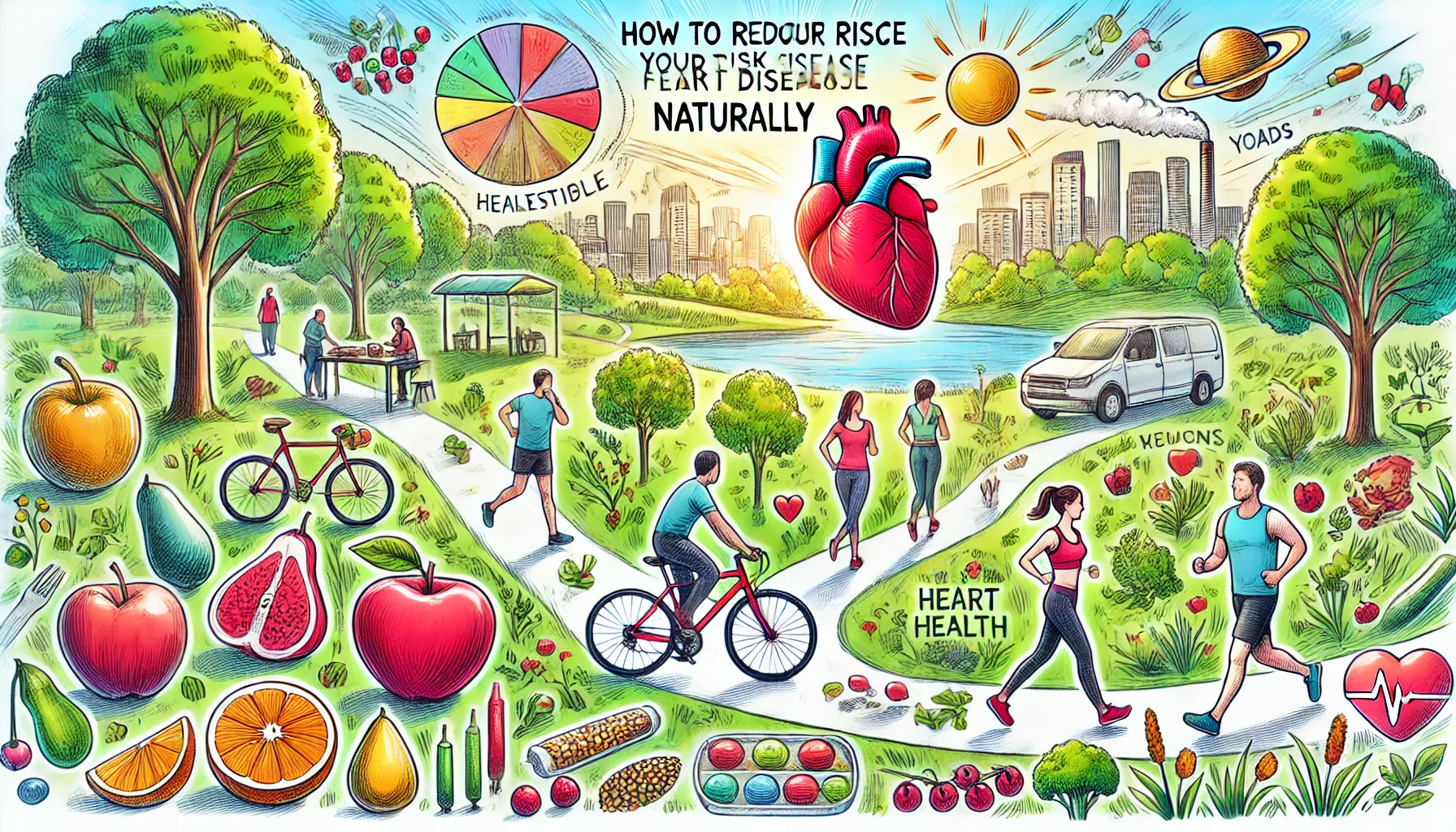
Heart disease is a significant health concern worldwide, but many natural strategies can help reduce its risk. Adopting a heart-healthy lifestyle is essential for maintaining good cardiovascular health and preventing heart-related issues. By focusing on natural methods such as diet, exercise, and lifestyle modifications, you can effectively lower your risk of heart disease. This blog explores ten natural ways to enhance heart health and protect against cardiovascular diseases.
Understanding how lifestyle choices impact heart health is crucial for prevention. Natural strategies emphasize the importance of balanced nutrition, regular physical activity, stress management, and other healthy habits. These approaches not only improve heart health but also contribute to overall well-being. This comprehensive guide provides practical tips and insights into naturally reducing your risk of heart disease.
1. Eat a Heart-Healthy Diet
- Consume a variety of fruits and vegetables: These are packed with vitamins, minerals, and antioxidants that support heart health.
- Opt for whole grains: Whole grains like oats, quinoa, and brown rice provide essential nutrients and fiber, which help reduce cholesterol levels.
- Choose healthy fats: Include sources of unsaturated fats such as olive oil, avocados, nuts, and seeds in your diet.
- Limit saturated and trans fats: Reduce intake of red meat, processed foods, and fried items that contribute to higher cholesterol levels.
- Stay hydrated: Drinking plenty of water helps maintain overall health and supports cardiovascular function.
2. Engage in Regular Physical Activity
- Incorporate aerobic exercises: Activities like walking, jogging, cycling, and swimming strengthen the heart and improve circulation.
- Practice strength training: Building muscle through weightlifting or resistance exercises enhances overall fitness and supports heart health.
- Try flexibility exercises: Yoga and stretching improve flexibility, balance, and reduce the risk of injuries.
- Stay active throughout the day: Avoid prolonged sitting by taking short breaks to walk or stretch.
- Aim for consistency: At least 150 minutes of moderate-intensity exercise per week is recommended for optimal heart health.
3. Maintain a Healthy Weight
- Set realistic goals: Aim for gradual weight loss through sustainable lifestyle changes rather than quick fixes.
- Monitor portion sizes: Be mindful of serving sizes to avoid overeating and manage calorie intake.
- Choose nutrient-dense foods: Focus on foods that provide essential nutrients without excessive calories.
- Stay active: Regular physical activity helps burn calories and maintain a healthy weight.
- Seek professional guidance: Consult a nutritionist or dietitian for personalized advice and support.
4. Quit Smoking and Avoid Secondhand Smoke
- Understand the risks: Smoking damages blood vessels, increases blood pressure, and reduces oxygen in the blood.
- Seek support to quit: Utilize resources such as counseling, support groups, and smoking cessation programs.
- Avoid environments with secondhand smoke: Secondhand smoke exposure can also harm heart health.
- Adopt stress-relief techniques: Replace smoking with healthier activities like exercise, meditation, or hobbies.
- Stay motivated: Remember the long-term benefits of quitting smoking for heart health and overall well-being.
5. Manage Stress Effectively
- Identify stressors: Recognize the sources of stress in your life and develop strategies to address them.
- Practice relaxation techniques: Meditation, deep breathing exercises, and mindfulness can help reduce stress levels.
- Stay physically active: Regular exercise promotes the release of endorphins, which can lower stress.
- Maintain social connections: Support from friends and family helps manage stress and provides emotional support.
- Consider professional help: Therapy or counseling can provide tools and techniques to cope with stress effectively.
6. Get Enough Sleep
- Establish a regular sleep schedule: Go to bed and wake up at the same time every day to regulate your body’s internal clock.
- Create a restful environment: Ensure your bedroom is dark, quiet, and cool to promote better sleep quality.
- Limit screen time before bed: Avoid screens from phones, computers, and TVs at least an hour before bedtime.
- Practice relaxation techniques: Engage in calming activities like reading or taking a warm bath before bed.
- Monitor sleep patterns: Track your sleep to identify any issues and seek medical advice if needed.
7. Monitor and Manage Blood Pressure
- Regularly check blood pressure: Use a home monitor or visit your healthcare provider for regular checks.
- Adopt a low-sodium diet: Reducing salt intake helps manage blood pressure effectively.
- Exercise regularly: Physical activity helps maintain normal blood pressure levels.
- Maintain a healthy weight: Weight management can significantly reduce high blood pressure.
- Follow medical advice: If prescribed medication, ensure consistent use as directed by your healthcare provider.
8. Maintain Healthy Cholesterol Levels
- Eat heart-healthy foods: Focus on foods high in omega-3 fatty acids, such as fish, flaxseeds, and walnuts.
- Increase fiber intake: Soluble fiber found in oats, beans, and lentils helps lower LDL cholesterol.
- Avoid trans fats: These fats raise bad cholesterol (LDL) and lower good cholesterol (HDL).
- Regular screenings: Periodic blood tests can monitor cholesterol levels and track changes over time.
- Consider medication if necessary: Statins or other medications may be prescribed to manage cholesterol levels effectively.
9. Control Blood Sugar Levels
- Monitor blood sugar regularly: Especially important for those with diabetes or at high risk.
- Adopt a balanced diet: Focus on low-glycemic index foods that do not spike blood sugar levels.
- Exercise consistently: Physical activity helps regulate blood sugar and improve insulin sensitivity.
- Maintain a healthy weight: Weight management is crucial for controlling blood sugar.
- Follow medical advice: Use prescribed medications or insulin as directed to manage diabetes.
10. Stay Informed and Educated
- Stay updated on heart health: Keep informed about the latest research and recommendations for heart disease prevention.
- Know your family history: Understanding your family’s health history can help assess your risk for heart disease.
- Regular health check-ups: Schedule regular visits to your healthcare provider to monitor heart health and catch potential issues early.
- Participate in community programs: Engage in local heart health initiatives and support groups for additional resources and support.
- Educate others: Share your knowledge about heart disease prevention with family and friends to promote a heart-healthy community.
In conclusion, reducing your risk of heart disease naturally involves a comprehensive approach that includes a balanced diet, regular physical activity, effective stress management, and other healthy lifestyle choices. By adopting these natural strategies, you can significantly improve your heart health and overall well-being. Embracing a proactive approach to heart disease prevention today can lead to a longer, healthier life free from the complications associated with heart disease.