
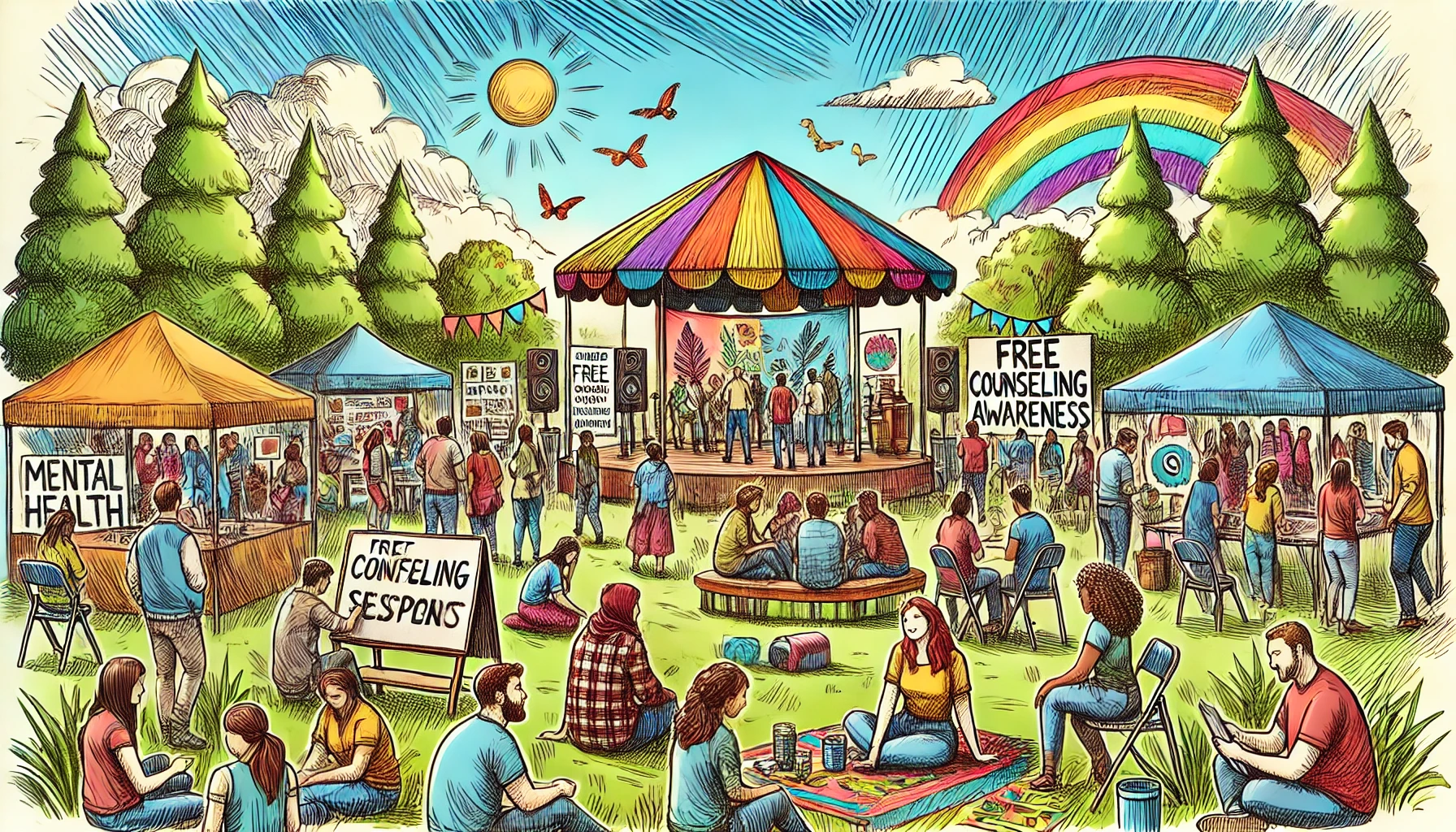
Raising mental health awareness in your community is a vital step toward reducing stigma, promoting understanding, and encouraging people to seek the help they need. Mental health issues affect a significant portion of the population, yet they are often misunderstood or ignored. By fostering an environment of openness and support, communities can play a crucial role in improving mental health outcomes and providing a network of care for those in need.
Mental health awareness involves more than just education; it encompasses advocacy, outreach, and the creation of safe spaces for discussion. Whether you’re an individual, organization, or community leader, there are numerous ways to contribute to this cause. This blog will explore practical strategies for raising mental health awareness in your community, from organizing events to leveraging social media. Each approach aims to create a more inclusive and informed environment where mental health is openly discussed and prioritized.
1. Educate Yourself and Others
- Learn About Mental Health: Start by educating yourself about various mental health conditions, their symptoms, and available treatments. Understanding the basics will help you communicate more effectively.
- Distribute Informational Material: Share brochures, flyers, and online resources about mental health with your community. Include information on local support services and helplines.
- Host Educational Workshops: Organize workshops or seminars with mental health professionals to educate the community on mental health topics. This can be done in person or virtually.
- Engage in Public Speaking: Offer to speak at schools, community centers, or workplaces about the importance of mental health awareness.
- Encourage Open Dialogue: Create opportunities for open discussions about mental health, encouraging people to share their experiences and ask questions.
2. Organize Community Events
- Mental Health Awareness Walks: Host a walk or run to raise awareness and funds for mental health organizations. These events can bring the community together and promote physical and mental well-being.
- Panel Discussions: Arrange panel discussions featuring mental health professionals, individuals with lived experience, and advocates to discuss mental health issues.
- Film Screenings: Organize screenings of documentaries or movies that address mental health topics, followed by a discussion.
- Art and Music Events: Host art exhibits, music performances, or poetry readings focused on mental health themes to foster creative expression and discussion.
- Mental Health Fairs: Set up booths with information on mental health resources, local organizations, and wellness activities like yoga or meditation.
3. Use Social Media and Digital Platforms
- Create Awareness Campaigns: Use social media platforms to share facts, personal stories, and mental health resources. Campaigns can include hashtags, challenges, and awareness days.
- Share Personal Stories: Encourage individuals to share their experiences with mental health on social media to reduce stigma and foster a sense of community.
- Host Webinars: Organize webinars on mental health topics with guest speakers, offering valuable information and Q&A sessions.
- Start a Blog or Podcast: Create content focused on mental health awareness, featuring interviews with experts and individuals with lived experiences.
- Leverage Influencers: Partner with local influencers or celebrities to amplify your message and reach a broader audience.
4. Collaborate with Local Organizations
- Partner with Schools: Work with local schools to incorporate mental health education into the curriculum and provide resources for students, teachers, and parents.
- Engage with Religious Institutions: Collaborate with religious leaders to address mental health from a spiritual perspective and offer support to congregants.
- Involve Healthcare Providers: Partner with local healthcare providers to offer mental health screenings and promote access to care.
- Team Up with Businesses: Collaborate with local businesses to provide mental health resources to employees and customers, and support mental health initiatives.
- Work with Community Centers: Utilize community centers as venues for workshops, support groups, and other mental health activities.
5. Advocate for Policy Changes
- Support Mental Health Legislation: Advocate for policies that improve mental health care access, funding, and services. Stay informed about local and national mental health legislation.
- Engage with Local Officials: Meet with local government officials to discuss the importance of mental health resources and advocate for community support.
- Promote Mental Health in Schools: Advocate for mental health programs and resources in schools to support students’ well-being.
- Lobby for Workplace Policies: Encourage businesses to implement mental health-friendly policies, such as mental health days and Employee Assistance Programs (EAPs).
- Participate in Public Hearings: Attend public hearings on mental health issues to voice your support for positive changes in the community.
6. Create Safe Spaces for Discussion
- Support Groups: Establish support groups where individuals can share their experiences and receive peer support in a safe, confidential environment.
- Safe Zones: Designate safe zones in community centers or workplaces where people can go to relax, meditate, or speak with a counselor.
- Crisis Intervention: Provide information on crisis intervention resources, such as hotlines and emergency services, for those in immediate need.
- Mental Health First Aid Training: Offer Mental Health First Aid training to teach community members how to identify, understand, and respond to mental health issues.
- Confidential Support: Ensure that all mental health services and support groups maintain confidentiality to create a trusting and secure environment.
7. Promote Mental Health Resources
- Resource Directories: Create and distribute directories of local mental health services, including therapists, clinics, and support groups.
- Helpline Information: Share information about mental health helplines and crisis lines, making them easily accessible to the community.
- Online Resources: Provide links to reputable websites, apps, and online support groups for mental health information and support.
- Mental Health Libraries: Set up a library of books, articles, and other materials on mental health topics in community centers or online.
- Referral Networks: Establish a network of mental health professionals and organizations for referrals and collaborative care.
8. Celebrate Mental Health Awareness Days
- World Mental Health Day: Participate in events and campaigns on October 10th to raise awareness about mental health issues globally.
- Mental Health Awareness Month: Use May as an opportunity to organize events, share information, and advocate for mental health.
- Suicide Prevention Week: Engage in activities during the first full week of September to promote suicide prevention awareness.
- Other Awareness Days: Recognize other mental health awareness days, such as Eating Disorders Awareness Week or PTSD Awareness Month, with relevant activities and information.
- Community Proclamations: Work with local officials to declare specific days or weeks as mental health awareness periods in your community.
9. Support Those with Lived Experience
- Amplify Voices: Provide platforms for individuals with lived experiences of mental health issues to share their stories and insights.
- Peer Support Programs: Encourage the development of peer support programs where individuals can offer guidance and support based on their experiences.
- Volunteer Opportunities: Offer volunteer opportunities for individuals with lived experiences to contribute to mental health initiatives and advocacy efforts.
- Recognition and Awards: Recognize and celebrate the contributions of individuals with lived experiences in raising mental health awareness.
- Inclusive Language: Promote the use of inclusive and respectful language when discussing mental health, avoiding stigmatizing terms.
10. Evaluate and Reflect on Your Efforts
- Gather Feedback: Collect feedback from participants, volunteers, and community members on the effectiveness of your awareness efforts.
- Assess Impact: Evaluate the impact of your initiatives on raising awareness and promoting mental health in the community.
- Identify Areas for Improvement: Reflect on what worked well and what could be improved for future initiatives.
- Share Success Stories: Share stories of positive outcomes and personal growth resulting from your mental health awareness efforts.
- Plan Future Activities: Use the insights gained from evaluation to plan future activities and continue building momentum for mental health awareness.
In conclusion, raising mental health awareness in your community is a multifaceted effort that requires education, advocacy, and compassion. By implementing these strategies, you can contribute to creating a supportive and informed environment where mental health is openly discussed and prioritized. Whether through organizing events, promoting resources, or advocating for policy changes, every effort counts toward breaking down stigma and providing support to those in need. Remember, mental health awareness is an ongoing journey, and your contributions can make a significant difference in the lives of individuals and the community as a whole.