
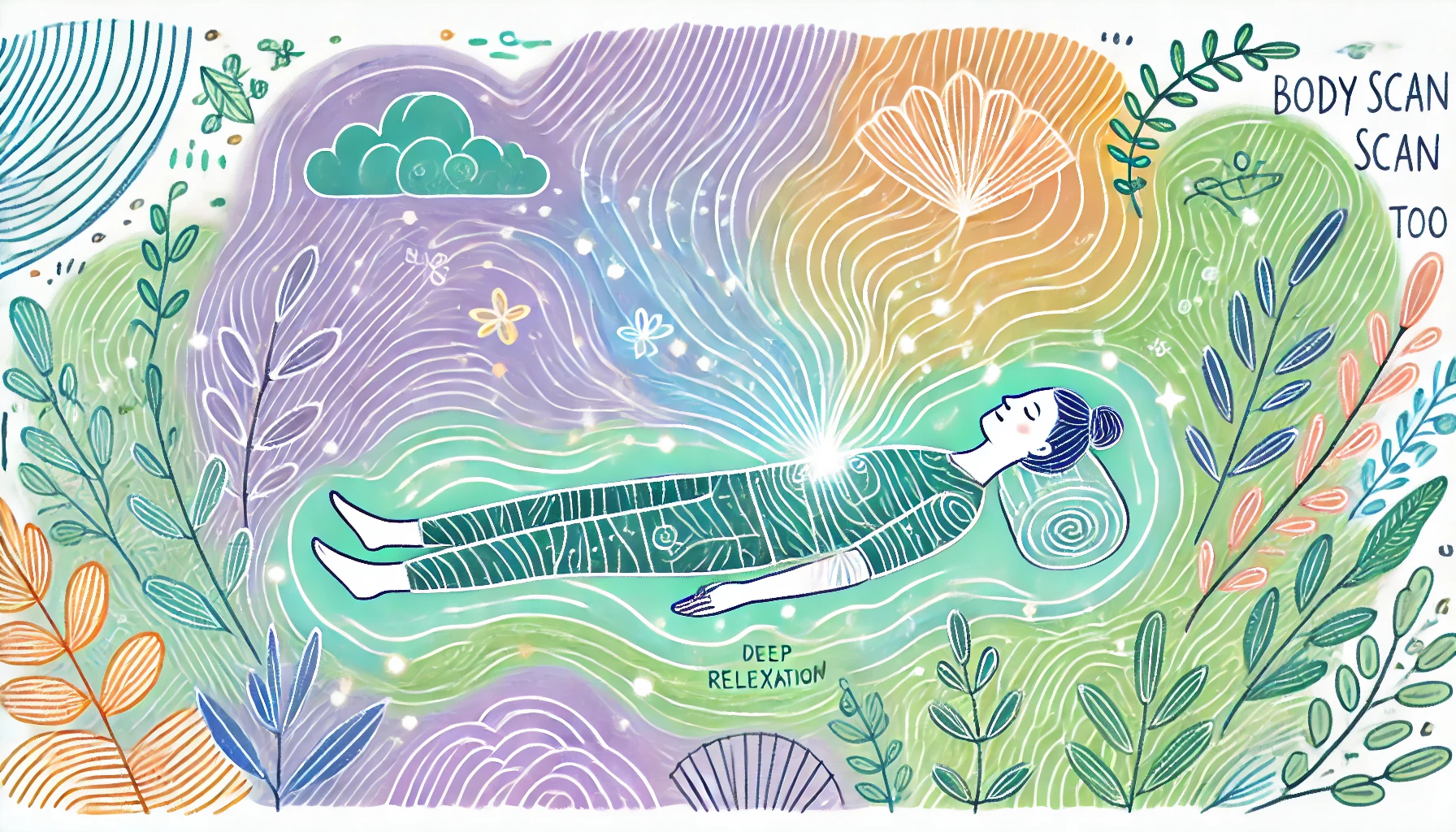
Body scan meditation is a mindfulness practice that involves paying close attention to various parts of your body, one by one, in order to promote deep relaxation and enhance awareness of physical sensations. This meditation helps you connect with your body, release built-up tension, and bring calmness to your mind. Unlike other forms of meditation that focus on the breath or a mantra, body scan meditation emphasizes physical sensations, making it an excellent tool for stress relief, emotional regulation, and promoting overall well-being.
This blog will explain what body scan meditation is, how it works, and how you can practice it to experience its profound benefits, especially in fostering relaxation and mindfulness.
1. What Is Body Scan Meditation?
- Definition: Body scan meditation is a mindfulness practice where you mentally “scan” your body from head to toe, bringing awareness to physical sensations in each area. It encourages you to observe any tension, pain, or discomfort without judgment, helping you become more present and in tune with your body.
- How It Works: During a body scan meditation, you lie down or sit comfortably and slowly bring your attention to each part of your body, from your toes to your head (or vice versa). As you focus on each area, you note any sensations—such as warmth, tightness, or tingling—while practicing relaxation techniques, such as deep breathing.
- Purpose: The purpose of body scan meditation is to foster awareness of your physical body, relieve stress, and encourage relaxation by releasing tension you might not even realize you’re holding. It also helps develop a mindful, non-judgmental attitude toward discomfort or pain.
2. The Science Behind Body Scan Meditation
- Stress Reduction: Body scan meditation is part of Mindfulness-Based Stress Reduction (MBSR), a program developed by Jon Kabat-Zinn to help reduce stress and anxiety. Studies have shown that mindfulness practices like body scanning can lower cortisol levels, the hormone associated with stress, and create a state of relaxation.
- Mind-Body Connection: This meditation helps improve the mind-body connection by increasing awareness of physical sensations, which can lead to a deeper understanding of how stress or emotions manifest physically. Regular practice strengthens your ability to manage physical discomfort and emotional distress more effectively.
- Pain Management: Research suggests that body scan meditation can help alleviate chronic pain. By observing sensations without judgment or resistance, you train your brain to experience pain differently, reducing its intensity and emotional impact.
3. Key Benefits of Body Scan Meditation
1. Promotes Deep Relaxation
- By guiding your attention through each part of your body, body scan meditation helps release physical tension and promotes a deep state of relaxation. Focusing on bodily sensations can slow down your mind and calm your nervous system, making it easier to unwind.
- This practice encourages progressive muscle relaxation, a technique that systematically relaxes different muscle groups, allowing your body to release stress at a deeper level.
2. Enhances Mindfulness and Self-Awareness
- Body scan meditation fosters mindfulness by bringing your attention to the present moment and cultivating an awareness of your body’s sensations. This practice can deepen your sense of self-awareness, helping you better understand how stress, emotions, and mental patterns affect your physical well-being.
- Over time, body scan meditation can improve your ability to recognize physical and emotional triggers, allowing you to manage stress and discomfort more effectively.
3. Reduces Stress and Anxiety
- Body scan meditation is a powerful tool for stress reduction. By slowing your mind and focusing on your physical body, you shift attention away from anxious thoughts and mental chatter. The practice also encourages deep breathing, which helps activate the parasympathetic nervous system—the body’s “rest and digest” mode.
- This state of calm promotes feelings of relaxation and helps reduce anxiety by grounding you in the present moment.
4. Helps with Pain Management
- Practicing body scan meditation regularly can improve your ability to cope with pain. By paying attention to areas of discomfort without reacting or judging, you can reduce the emotional intensity of pain, making it more manageable.
- This non-judgmental awareness of pain allows you to separate the physical sensation from negative emotions like frustration or fear, helping to reduce the overall impact of pain on your well-being.
5. Improves Sleep Quality
- Body scan meditation is particularly effective for those struggling with sleep problems. By relaxing your body and quieting your mind, this practice helps ease the transition into sleep, making it easier to fall asleep and stay asleep throughout the night.
- Regular practice can improve sleep quality, as it helps calm your nervous system, release muscle tension, and promote a peaceful mental state before bedtime.
4. How to Practice Body Scan Meditation: A Step-by-Step Guide
1. Find a Comfortable Position
- Choose a comfortable position, either sitting or lying down. If you’re lying down, rest on your back with your arms at your sides, palms facing up. If you’re sitting, ensure your back is straight, and your feet are flat on the floor.
2. Focus on Your Breath
- Begin by closing your eyes and taking a few deep breaths to settle into the practice. Inhale deeply through your nose, allowing your abdomen to rise, and then exhale slowly through your mouth. Let your breath naturally relax your body.
3. Start at the Top or Bottom of Your Body
- You can choose to start the body scan at the top of your head or at your toes. For example, if you start at your toes, bring your attention to your feet and notice any sensations—whether it’s warmth, coolness, tingling, or tightness. You don’t need to change or fix anything; simply observe.
4. Move Slowly Up or Down the Body
- Gradually move your awareness from one part of your body to the next. After focusing on your feet, move to your ankles, then your calves, thighs, and so on. Spend a few moments on each area, noticing any sensations or tension.
- As you scan each part of your body, practice relaxation by consciously releasing any tension you feel. For example, if you notice tightness in your shoulders, take a deep breath and imagine the tension melting away as you exhale.
5. Stay Present with Each Sensation
- As you move through your body, stay present with whatever sensations arise. If you notice discomfort or tension, observe it without trying to resist or judge it. Instead of labeling sensations as “good” or “bad,” simply note them and let them be.
6. Return to Your Breath if the Mind Wanders
- It’s normal for your mind to wander during meditation. When this happens, gently bring your focus back to the part of the body you were scanning or return your attention to your breath. Over time, this practice trains your mind to stay focused and relaxed.
7. End with Full-Body Awareness
- Once you’ve scanned your entire body, take a few deep breaths and shift your attention to your whole body as a single unit. Feel the connection between your body and mind and notice how you feel after the practice. Let yourself rest in this state of full-body relaxation for a few moments before slowly returning to your day.
5. Tips for a Successful Body Scan Meditation Practice
1. Start Small
- If you’re new to body scan meditation, start with shorter sessions (5-10 minutes) and gradually increase the length of your practice as you become more comfortable. Even a brief session can help you relax and improve your focus.
2. Be Patient with Yourself
- It’s natural for your mind to wander during meditation, especially if you’re not used to focusing on your body. Be patient with yourself and gently bring your attention back to the part of the body you’re focusing on. With practice, it will become easier to stay present.
3. Use Guided Meditations
- If you’re unsure where to start, consider using guided body scan meditations available through apps or online. These sessions can provide structure and help you stay focused as you build your practice.
4. Practice Consistently
- Regular practice is key to experiencing the full benefits of body scan meditation. Try to set aside time each day or a few times a week for your meditation practice, even if it’s just for a few minutes.
5. Combine with Other Mindfulness Techniques
- You can combine body scan meditation with other mindfulness techniques, such as deep breathing or visualization, to enhance the relaxation experience. For example, imagine breathing warmth and relaxation into each body part as you scan.
6. When to Practice Body Scan Meditation
1. Before Bed
- Body scan meditation is an excellent practice to incorporate into your bedtime routine. By relaxing your body and mind, it helps create a calm mental state that makes it easier to fall asleep.
2. During Breaks at Work
- Taking a few minutes for a body scan during a work break can help reduce tension and mental fatigue. It can refresh your mind and body, allowing you to return to your tasks with greater focus and clarity.
3. After Exercise or Physical Activity
- Practicing body scan meditation after exercise or yoga can enhance physical relaxation by helping your muscles release any lingering tension or tightness.
Conclusion: Why Body Scan Meditation Matters
Body scan meditation is a powerful mindfulness practice that can help you achieve deep relaxation, reduce stress, and improve your connection to your body. By systematically focusing on each part of your body, you develop greater awareness of physical sensations and learn to release tension in a mindful, non-judgmental way. Whether you’re seeking relief from stress, better sleep, or simply a way to unwind, body scan meditation offers an accessible and effective way to relax both the mind and body. With regular practice, this technique can enhance your overall well-being and promote a sense of inner calm.