
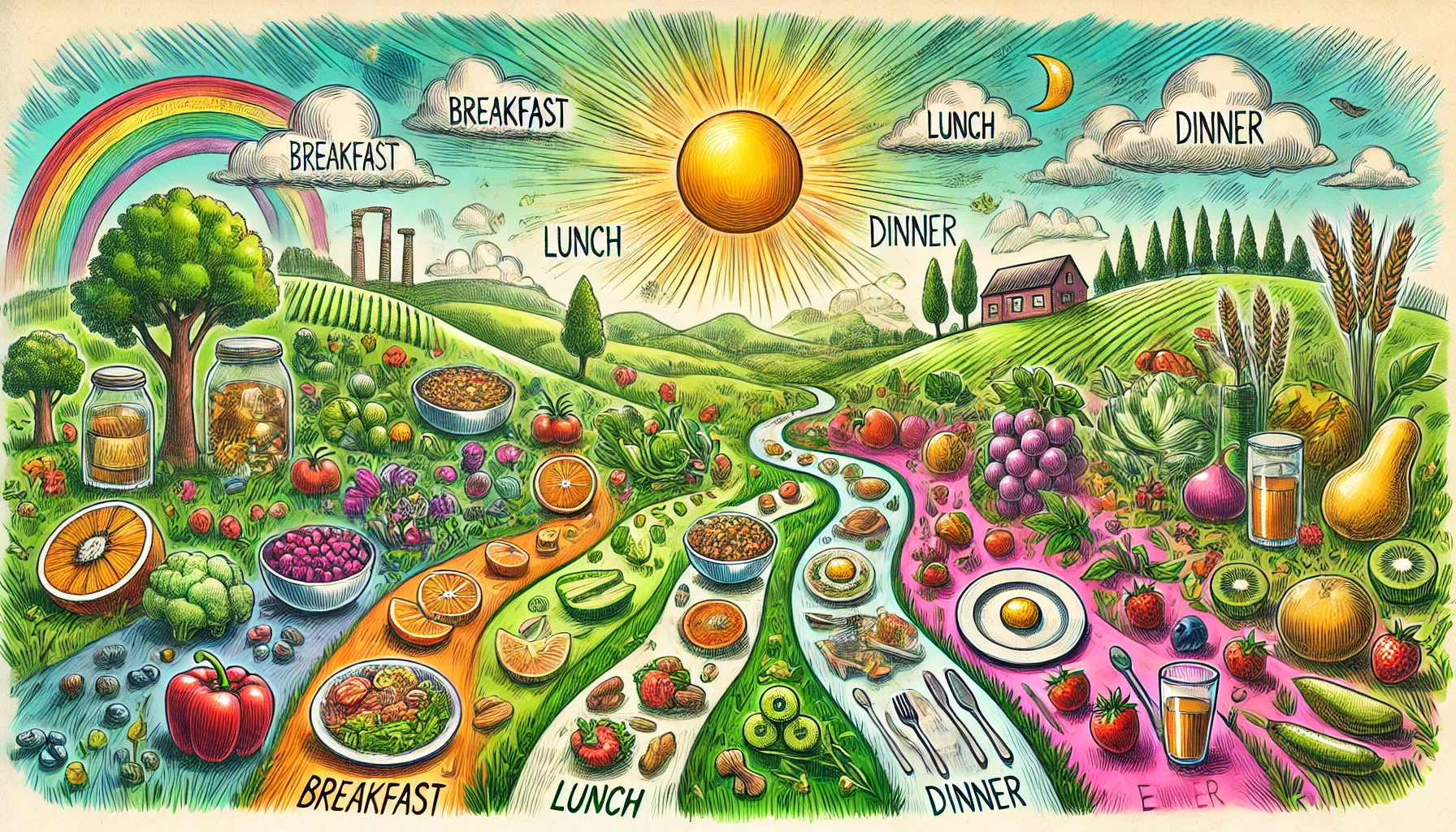
Planning your meals strategically is essential for maintaining high energy levels throughout the day. Proper meal planning can prevent energy crashes, enhance physical performance, and improve overall well-being. By focusing on nutrient-dense foods and timing your meals correctly, you can ensure that your body receives a steady supply of energy. In this blog, we will explore practical tips and strategies for planning your meals to maximize your energy levels.
A well-balanced diet that includes the right mix of macronutrients—proteins, fats, and carbohydrates—provides the foundation for sustained energy. Additionally, the timing of your meals plays a crucial role in maintaining steady energy levels. Eating at regular intervals and choosing foods that support stable blood sugar levels can help you avoid the common pitfalls of fatigue and sluggishness. Let’s delve into the steps you can take to plan your meals for maximum energy.
1. Start Your Day with a Balanced Breakfast
- Include protein and healthy fats: A breakfast that includes eggs, Greek yogurt, or a smoothie with protein powder can provide sustained energy.
- Incorporate complex carbohydrates: Whole grains like oatmeal or whole-wheat toast offer slow-releasing energy.
- Add fruits and vegetables: Fresh fruits and veggies supply essential vitamins, minerals, and antioxidants.
- Stay hydrated: A glass of water or herbal tea can help rehydrate your body after a night’s sleep.
- Avoid sugary cereals: Opt for low-sugar options to prevent energy crashes later in the day.
2. Plan for Mid-Morning Snacks
- Choose protein-rich snacks: Nuts, seeds, or a small portion of lean protein can keep you full and energized.
- Include fiber: Snacks like apple slices with almond butter or a handful of berries provide fiber that aids in sustained energy release.
- Stay hydrated: Drinking water or herbal teas helps maintain hydration and energy levels.
- Avoid high-sugar snacks: These can cause a rapid spike and subsequent drop in blood sugar levels.
- Prepare in advance: Having pre-portioned snacks ready can help you avoid unhealthy choices.
3. Design a Nutrient-Dense Lunch
- Focus on lean proteins: Grilled chicken, tofu, or legumes can keep you satisfied and energized.
- Incorporate whole grains: Quinoa, brown rice, or whole-grain pasta provide lasting energy.
- Add plenty of vegetables: A colorful salad or a variety of steamed veggies supply essential nutrients.
- Include healthy fats: Avocado, nuts, or olive oil can help sustain energy levels.
- Avoid heavy, greasy foods: These can cause sluggishness and fatigue post-meal.
4. Afternoon Snack Strategies
- Opt for balanced snacks: A mix of protein, fat, and carbohydrates can keep energy levels stable.
- Examples: A small Greek yogurt with honey, a piece of fruit with a handful of nuts, or hummus with veggie sticks.
- Stay hydrated: Drinking water or herbal teas can prevent dehydration-related fatigue.
- Limit caffeine: While a small amount can boost energy, too much can lead to crashes later.
- Prepare ahead: Having healthy snacks on hand can prevent impulse eating of unhealthy options.
5. Craft an Energizing Dinner
- Choose lean proteins: Fish, chicken, or plant-based proteins like lentils can provide essential amino acids.
- Include a variety of vegetables: Aim for a colorful plate to ensure a range of vitamins and minerals.
- Incorporate whole grains: Foods like quinoa, brown rice, or barley offer slow-releasing carbohydrates.
- Add healthy fats: Olive oil, avocado, or nuts can support sustained energy.
- Avoid heavy meals: Large, rich meals can disrupt sleep and cause morning sluggishness.
6. Evening Snack Considerations
- Choose light snacks: A small portion of protein and healthy fat, such as a handful of nuts or a slice of turkey, can keep you full.
- Include calming foods: Foods like bananas or warm milk can help relax the body and prepare for sleep.
- Stay hydrated: Drinking water can prevent dehydration that might disrupt sleep.
- Avoid sugary snacks: These can cause blood sugar spikes that interfere with sleep.
- Plan ahead: Having a healthy snack ready can prevent late-night unhealthy eating.
7. Hydration Throughout the Day
- Drink water regularly: Aim for at least eight glasses of water a day to maintain hydration.
- Include hydrating foods: Fruits and vegetables with high water content, like cucumbers and watermelon, can help.
- Monitor urine color: Light yellow urine usually indicates proper hydration.
- Limit diuretics: Reduce intake of caffeine and alcohol, which can cause dehydration.
- Carry a water bottle: Keeping water accessible can encourage regular drinking.
8. Manage Portion Sizes
- Avoid overeating: Large meals can cause energy dips; smaller, more frequent meals can maintain energy levels.
- Use smaller plates: This can help control portion sizes and prevent overeating.
- Listen to your body: Eat when hungry and stop when satisfied to avoid energy-draining overindulgence.
- Plan portion sizes: Preparing meals with appropriate portions in mind can prevent excess calorie intake.
- Stay mindful: Eating mindfully helps recognize hunger and fullness cues.
9. Monitor and Adjust Your Meal Plan
- Track energy levels: Keep a journal of what you eat and how it affects your energy.
- Adjust as needed: Modify your meal plan based on your energy levels and how your body responds.
- Consult a nutritionist: For personalized advice, consider consulting a nutritionist.
- Stay flexible: Be open to changing your meal plan if it’s not meeting your energy needs.
- Incorporate variety: Ensuring a diverse diet can prevent nutrient deficiencies and maintain interest in meals.
10. Prioritize Consistency
- Stick to regular meal times: Consistent eating patterns help maintain stable energy levels.
- Avoid skipping meals: Missing meals can lead to energy crashes and overeating later.
- Plan ahead: Preparing meals and snacks in advance ensures you have healthy options readily available.
- Create a routine: A structured eating schedule can help your body anticipate and efficiently use energy.
- Stay committed: Consistency is key to long-term energy management and overall health.
In conclusion, planning your meals for maximum energy involves selecting nutrient-dense foods, timing your meals appropriately, and maintaining consistent eating habits. By incorporating lean proteins, whole grains, healthy fats, and a variety of fruits and vegetables into your meals and snacks, you can ensure a steady supply of energy throughout the day. Staying hydrated and managing portion sizes further contribute to sustained energy levels. Regularly monitoring and adjusting your meal plan based on your body’s responses will help you optimize your energy and overall well-being.