
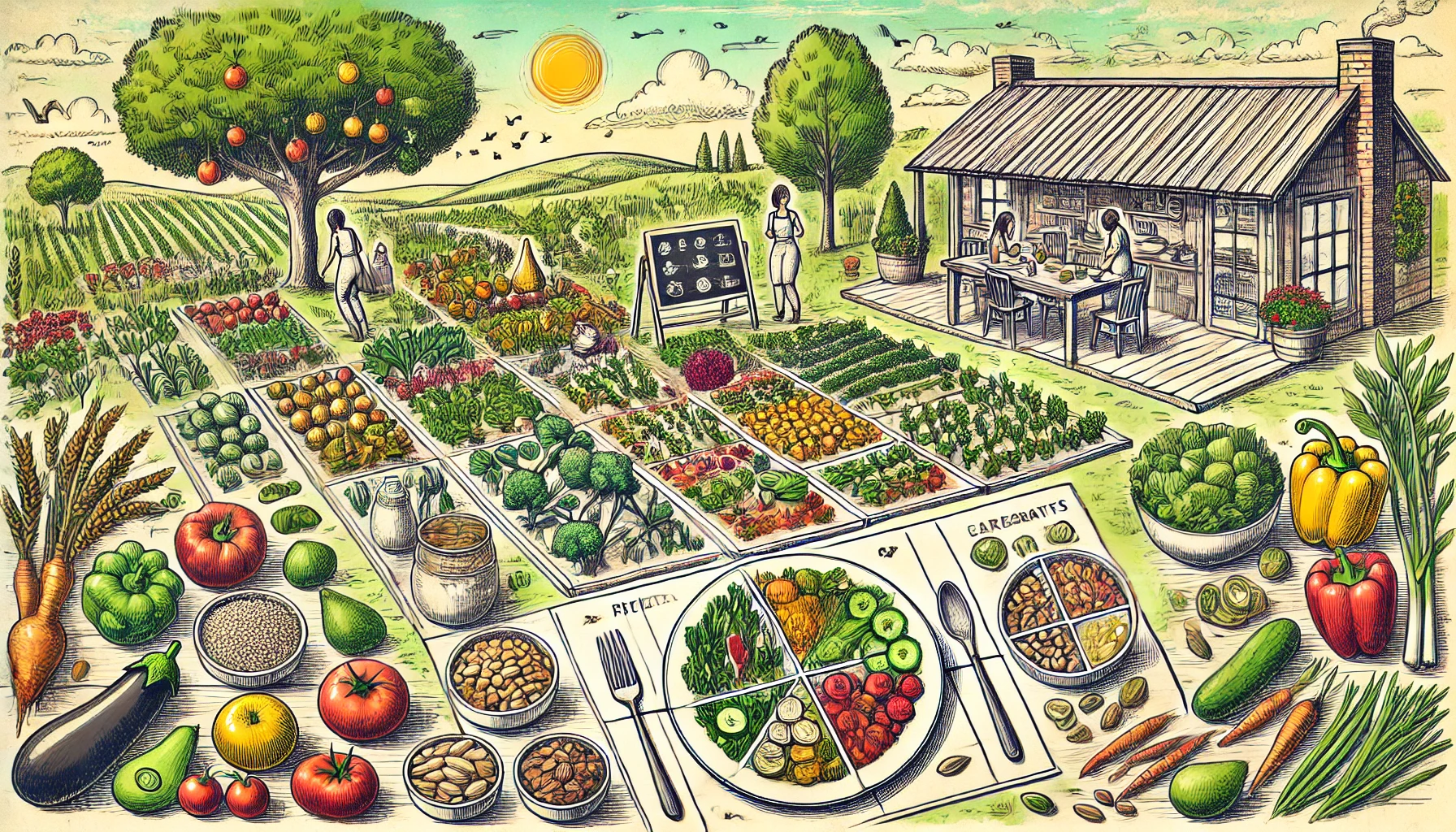
Transitioning to a plant-based diet can be a rewarding and healthful choice, but it’s essential to ensure that your meals are balanced and nutritionally complete. Planning balanced plant-based meals involves incorporating a variety of foods that provide the necessary nutrients your body needs to function optimally. This includes an adequate intake of protein, healthy fats, carbohydrates, vitamins, and minerals. With thoughtful planning and a diverse array of ingredients, you can enjoy delicious and nutritious plant-based meals that support your health and well-being.
Creating balanced plant-based meals requires understanding the nutritional components of different plant foods and how to combine them effectively. A well-planned plant-based diet can provide all the essential nutrients, prevent nutrient deficiencies, and promote overall health. By following some basic guidelines and incorporating a wide range of foods, you can ensure that your plant-based meals are both enjoyable and nourishing.
1. Include a Variety of Protein Sources
- Combine different plant-based proteins throughout the day to ensure you get all the essential amino acids. Examples include beans, lentils, chickpeas, tofu, tempeh, and edamame.
- Incorporate whole grains like quinoa, farro, and bulgur, which are also good sources of protein and provide additional nutrients.
- Nuts and seeds, such as almonds, chia seeds, hemp seeds, and sunflower seeds, are excellent sources of protein and healthy fats.
- Use plant-based protein powders made from peas, rice, or hemp in smoothies or baking to boost protein intake.
- Rotate your protein sources to enjoy different flavors and textures while ensuring a balanced intake of amino acids.
2. Emphasize Whole Grains
- Choose whole grains over refined grains to maximize nutrient intake and fiber content. Whole grains include brown rice, oats, quinoa, barley, and whole wheat.
- Whole grains provide essential nutrients such as B vitamins, iron, magnesium, and selenium, supporting overall health.
- Incorporate a variety of whole grains into your meals to keep them interesting and nutritionally diverse.
- Use whole grains as the base for salads, bowls, and side dishes, or include them in soups and stews for added texture and nutrition.
- Experiment with lesser-known grains like teff, amaranth, and spelt to expand your culinary repertoire and nutrient intake.
3. Eat a Rainbow of Fruits and Vegetables
- Aim to include a wide range of colorful fruits and vegetables in your meals to ensure a variety of vitamins, minerals, and antioxidants.
- Each color group of fruits and vegetables provides different nutrients and health benefits. For example, orange and yellow produce are rich in vitamin C and carotenoids, while dark leafy greens are high in vitamin K and folate.
- Incorporate both raw and cooked vegetables to benefit from different textures and nutrient profiles.
- Include fruits and vegetables in every meal, whether in salads, stir-fries, smoothies, or as snacks.
- Try to eat seasonally to enjoy the freshest produce and benefit from a variety of nutrients throughout the year.
4. Incorporate Healthy Fats
- Include sources of healthy fats in your meals, such as avocados, nuts, seeds, and olives, to support heart health and brain function.
- Use plant-based oils like olive oil, flaxseed oil, and avocado oil in cooking and dressings for their beneficial fatty acids.
- Add chia seeds, flaxseeds, and hemp seeds to smoothies, oatmeal, or salads for a boost of omega-3 fatty acids.
- Remember that fats are more calorie-dense, so moderate portions are key to maintaining a balanced diet.
- Include a variety of fat sources to enjoy different flavors and textures while obtaining a range of fatty acids and nutrients.
5. Prioritize Fiber-Rich Foods
- A high-fiber diet promotes digestive health, helps regulate blood sugar levels, and can aid in weight management.
- Include plenty of legumes, whole grains, fruits, vegetables, nuts, and seeds in your meals to ensure an adequate fiber intake.
- Aim for a daily fiber intake of at least 25-30 grams, which can be achieved by eating a variety of plant-based foods.
- Incorporate fiber-rich foods in every meal, such as adding beans to salads, fruits to breakfast, and vegetables to main dishes.
- Drink plenty of water to help fiber do its job in promoting healthy digestion and preventing constipation.
6. Ensure Adequate Vitamin B12 Intake
- Vitamin B12 is essential for nerve function and red blood cell production, but it is not naturally found in plant foods.
- Include fortified foods in your diet, such as plant-based milks, cereals, and nutritional yeast, which are often enriched with B12.
- Consider taking a vitamin B12 supplement to ensure you meet your daily requirements, especially if you follow a strict vegan diet.
- Regularly check your vitamin B12 levels with your healthcare provider to avoid deficiencies and ensure optimal health.
- Incorporate a variety of fortified foods to make it easier to meet your B12 needs without relying solely on supplements.
7. Focus on Calcium-Rich Foods
- Calcium is crucial for bone health, and plant-based sources include fortified plant milks, tofu, almonds, sesame seeds, and leafy greens like kale and bok choy.
- Incorporate a variety of calcium-rich foods into your diet to ensure you meet the recommended daily intake.
- Consider fortified plant-based products like orange juice and cereals to boost your calcium intake.
- Consume calcium alongside vitamin D-rich foods or supplements to enhance calcium absorption and support bone health.
- Regularly include a variety of calcium sources to maintain strong bones and overall health.
8. Optimize Iron Absorption
- Plant-based iron sources include lentils, chickpeas, beans, tofu, quinoa, spinach, and fortified cereals.
- Pair iron-rich foods with vitamin C-rich foods, such as citrus fruits, bell peppers, and tomatoes, to enhance iron absorption.
- Avoid consuming iron-rich meals with coffee or tea, as these beverages can inhibit iron absorption.
- Include a variety of iron sources in your diet to ensure you meet your daily requirements and support overall health.
- Monitor your iron levels with your healthcare provider, especially if you have increased iron needs or are at risk of deficiency.
9. Balance Your Macronutrients
- Ensure your meals contain a good balance of carbohydrates, proteins, and fats to meet your energy needs and support overall health.
- Carbohydrates from whole grains, fruits, and vegetables provide essential energy and nutrients.
- Proteins from legumes, tofu, tempeh, and nuts support muscle repair and immune function.
- Healthy fats from avocados, nuts, seeds, and oils promote brain health and hormone production.
- Aim for a variety of foods in each meal to achieve a balanced intake of macronutrients and maintain overall health.
10. Plan and Prepare Meals Ahead
- Meal planning and preparation can help ensure you have balanced, nutritious meals ready throughout the week.
- Create a weekly meal plan that includes a variety of plant-based foods to ensure a balanced intake of nutrients.
- Batch cook and prepare meals in advance to save time and make it easier to stick to your plant-based diet.
- Keep a list of go-to recipes that are quick and easy to prepare for busy days.
- Regularly review and adjust your meal plans to incorporate seasonal produce and new recipes to keep your diet interesting and nutritious.
In conclusion, planning balanced plant-based meals involves incorporating a variety of foods to ensure you get all the necessary nutrients. By focusing on diverse protein sources, whole grains, fruits, vegetables, healthy fats, and key vitamins and minerals, you can create delicious and nutritious meals that support your overall health. With careful planning and a commitment to variety, a plant-based diet can be both fulfilling and health-promoting.