
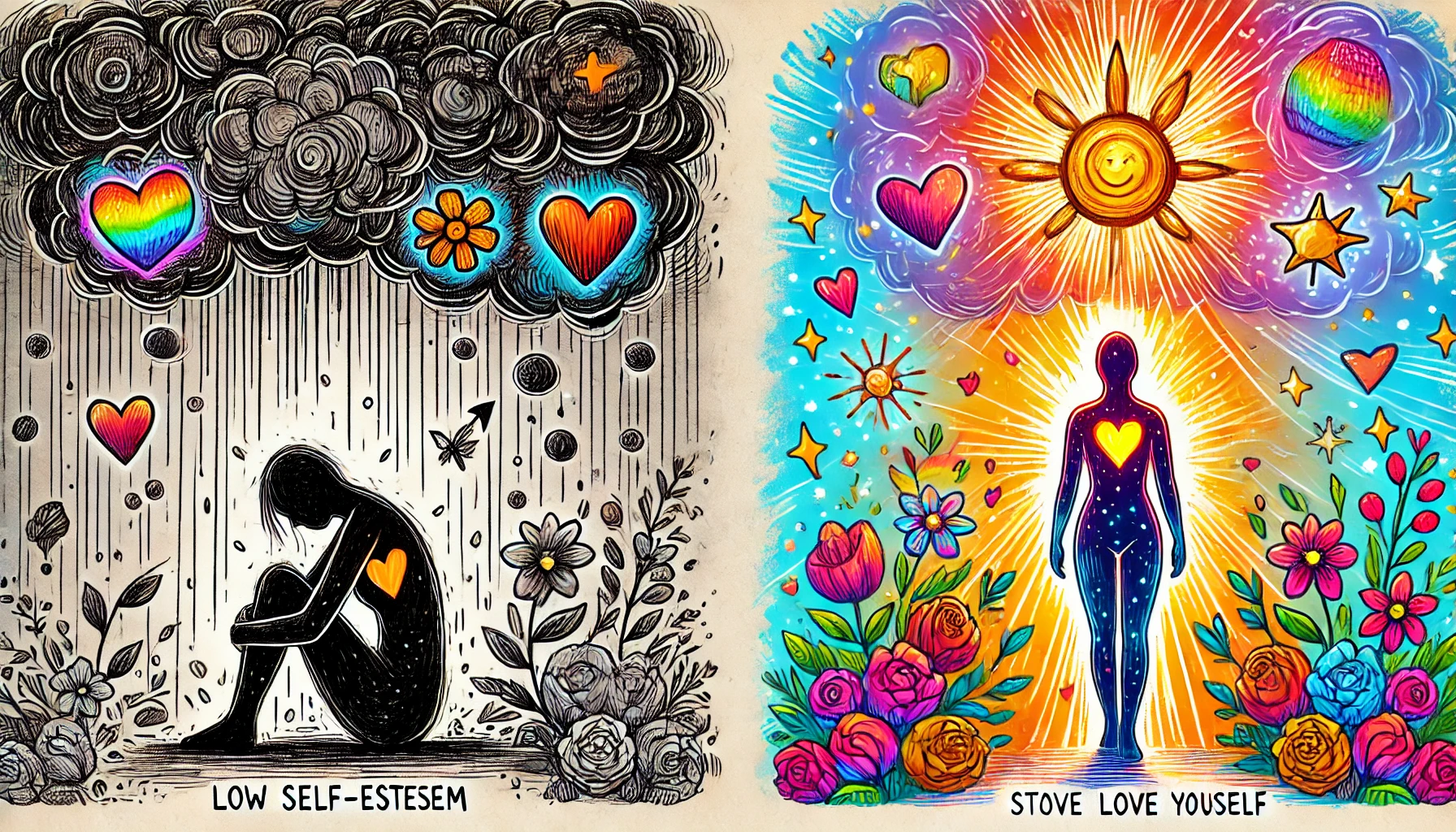
Overcoming low self-esteem is a deeply personal journey, yet one that is universal to many. It is about reshaping how you see yourself and learning to embrace your own worth. Low self-esteem can be deeply rooted in childhood experiences, societal pressures, or personal failures. This often leads to a cycle of negative self-talk and self-doubt, preventing individuals from reaching their true potential. The key to overcoming low self-esteem lies in breaking this cycle and adopting self-compassion. Starting to love yourself is not a quick fix but a gradual process that requires consistency and commitment.
To embark on this journey, it’s essential to first acknowledge that everyone has flaws and that perfection is unattainable. The goal is not to eliminate your weaknesses but to accept them while highlighting your strengths. Self-love is about nurturing yourself and developing a healthy, supportive inner dialogue. By practicing small, mindful changes in behavior and perspective, you can build a more compassionate relationship with yourself, unlocking the potential to lead a more fulfilled life. Below are ten strategies to help overcome low self-esteem and start embracing self-love.
1. Acknowledge Negative Self-Talk
- Identify the critical voice in your head that often belittles your abilities and achievements.
- Take note of when and why these negative thoughts arise; understanding the triggers can help in managing them.
- Challenge these thoughts by questioning their validity. Are they based on facts or perceptions?
- Replace negativity with affirmations or a more balanced view of the situation.
- Practicing self-compassion helps silence the inner critic, allowing for a more positive inner dialogue.
2. Set Small, Achievable Goals
- Low self-esteem can stem from feeling overwhelmed by large, unattainable goals.
- Break down big objectives into smaller, manageable tasks that allow for gradual progress.
- Celebrate each small achievement to build a sense of accomplishment and self-worth.
- Avoid comparing your progress with others; everyone’s journey is different.
- Reassess and adjust your goals as needed to keep them realistic and aligned with your growth.
3. Surround Yourself with Positive Influences
- The people around you can have a significant impact on your self-esteem. Choose friends and colleagues who encourage and uplift you.
- Limit interactions with individuals who bring negativity or make you feel inferior.
- Build relationships with those who appreciate you for who you are, not just what you achieve.
- Engage in communities or groups where you feel accepted and valued.
- Being around positivity will reinforce a healthier self-image and provide emotional support.
4. Focus on Your Strengths
- Everyone has unique strengths and talents that are worth celebrating. Take time to identify what you are good at.
- Make a list of your strengths and reflect on how they have helped you in the past.
- Practice using these strengths regularly, whether at work or in personal situations.
- By focusing on what you do well, you shift your attention away from perceived inadequacies.
- Use your strengths as a foundation to build confidence and foster personal growth.
5. Practice Gratitude
- Gratitude shifts your focus from what’s lacking in your life to what is abundant.
- Begin a daily practice of noting down things you are thankful for, including personal qualities and external blessings.
- Gratitude helps combat feelings of inadequacy by recognizing positive aspects of yourself and your life.
- This practice can shift your mindset to appreciate small victories and reinforce a sense of contentment.
- Over time, gratitude cultivates an overall more positive outlook on life and yourself.
6. Take Care of Your Body
- Physical self-care is deeply connected to emotional and mental well-being.
- Exercise regularly, as physical activity releases endorphins, which are natural mood enhancers.
- Eat a balanced diet that nourishes your body, helping you feel energized and healthy.
- Prioritize rest and sleep, as inadequate sleep can negatively affect both mood and self-esteem.
- Self-care routines signal to yourself that you are worthy of care and attention, fostering self-respect.
7. Accept Compliments Graciously
- People with low self-esteem often struggle to accept compliments, dismissing them or attributing them to luck.
- Practice receiving compliments by simply saying “thank you” without adding disclaimers or self-deprecation.
- Accept compliments as reflections of your value and the positive qualities others see in you.
- Keep a journal of compliments you receive to remind yourself of your strengths on challenging days.
- Over time, acknowledging compliments helps reshape how you view yourself in a more positive light.
8. Stop Comparing Yourself to Others
- Constant comparisons can erode self-esteem, leading to feelings of inadequacy and envy.
- Social media often exacerbates this issue, as it showcases curated highlights of others’ lives.
- Remind yourself that everyone has their own struggles, and what you see is not the full story.
- Focus on your unique journey and the progress you have made rather than comparing it to others.
- Comparison is the thief of joy, and letting go of it helps you focus on personal growth and fulfillment.
9. Cultivate a Growth Mindset
- A growth mindset embraces challenges and sees failures as opportunities to learn and improve.
- Shift from a fixed mindset, which views abilities as static, to one where effort leads to development.
- Embrace mistakes as part of the learning process rather than a reflection of your worth.
- Celebrate effort, persistence, and progress, even if the outcome isn’t perfect.
- A growth mindset nurtures resilience, allowing you to grow from setbacks rather than letting them define you.
10. Seek Professional Help if Necessary
- Sometimes, overcoming low self-esteem may require outside assistance, and there is no shame in seeking help.
- Therapists or counselors can offer valuable tools to reframe negative thought patterns and develop self-worth.
- Cognitive-behavioral therapy (CBT) is particularly effective in helping individuals rewire their thinking.
- Support groups provide a community of individuals going through similar struggles, offering empathy and encouragement.
- Professional guidance can accelerate your journey towards self-love and provide you with personalized strategies.
Conclusion
Overcoming low self-esteem and cultivating self-love is a lifelong process that requires persistence and patience. By embracing small, actionable steps like setting achievable goals, practicing gratitude, and cultivating a positive support system, you begin to change your perception of yourself. The journey to self-love is deeply personal, and each individual must navigate it at their own pace. Self-love does not mean you will never feel self-doubt, but rather, it equips you with the tools to handle these feelings with compassion and resilience.
Remember, building self-esteem is not about becoming someone else but about recognizing and valuing who you are at your core. By focusing on your strengths, surrounding yourself with positive influences, and seeking professional help when needed, you can break free from the chains of low self-worth. Embrace the journey of self-discovery, and allow yourself to flourish in ways you never thought possible.