
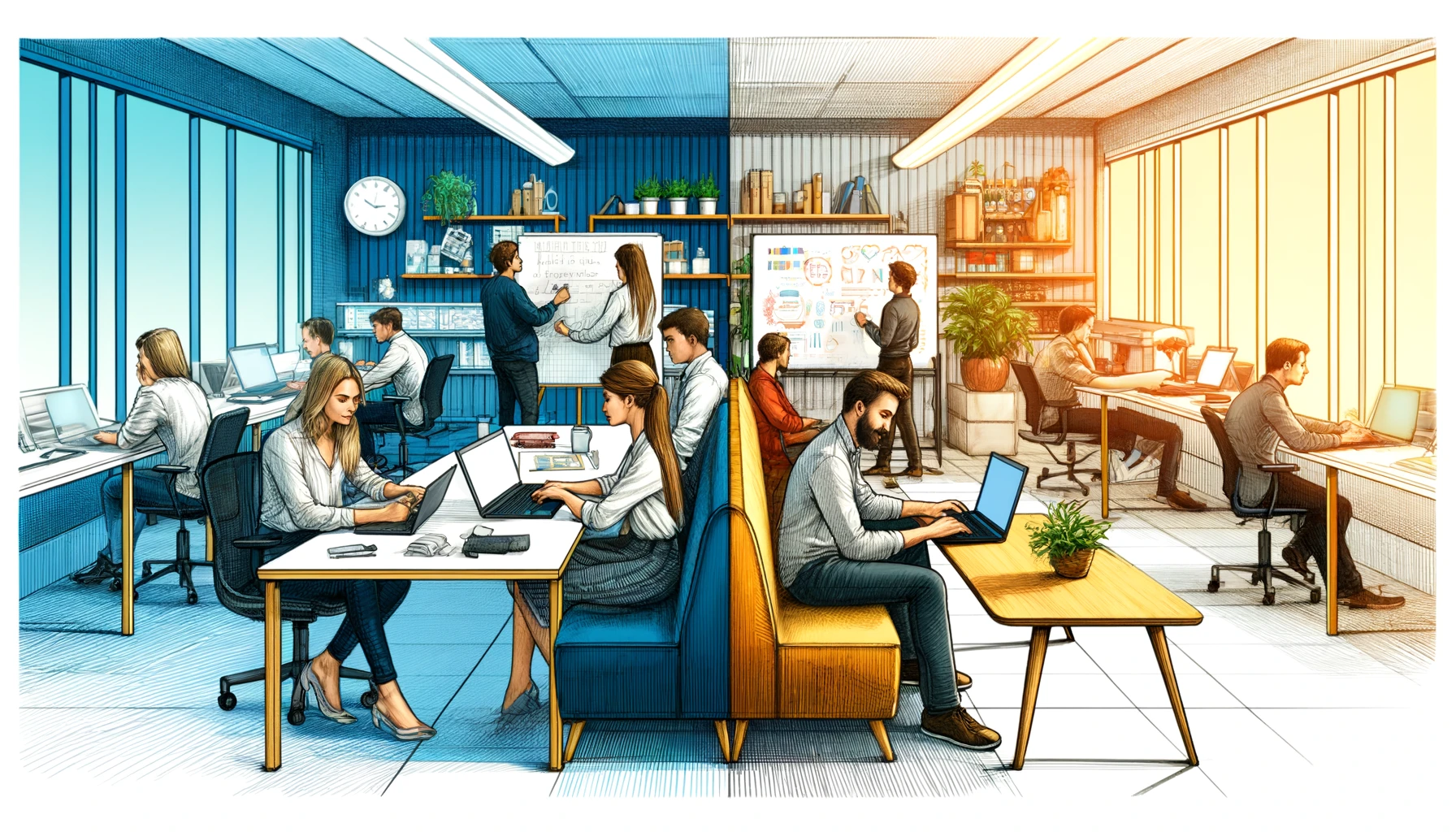
Working with friends can be both rewarding and challenging. While friendships at work can lead to better collaboration, improved communication, and increased job satisfaction, they can also sometimes become a source of distraction if not managed properly. Maintaining focus and efficiency while working with friends requires a balance between fostering positive relationships and staying committed to professional responsibilities. This blog will explore strategies to help you and your colleagues maintain focus and efficiency when working with friends, ensuring that your workplace friendships contribute positively to your productivity.
1. Set Clear Professional Boundaries
- Establish clear boundaries between your personal and professional relationships to ensure that work responsibilities remain the priority.
- Communicate with your friend about when it’s appropriate to discuss personal matters and when to focus on work, particularly during meetings or while working on tasks.
- Agree to keep personal conversations to break times, lunch hours, or after work to prevent them from interfering with your productivity during work hours.
- Respect each other’s workspaces and time, ensuring that social interactions don’t disrupt your focus or that of your colleagues.
- Setting professional boundaries helps maintain a balance between your friendship and your work, allowing both to thrive without compromising your efficiency.
2. Prioritize Work Tasks
- Stay organized by prioritizing your work tasks and focusing on the most important ones first, ensuring that you meet deadlines and fulfill your responsibilities.
- Use tools like to-do lists, calendars, or project management apps to keep track of your tasks and allocate time for both work and social interactions.
- Break down large projects into smaller, manageable tasks, making it easier to stay focused and track your progress throughout the day.
- If you find yourself getting distracted by social interactions, remind yourself and your friend of the tasks you need to complete and refocus your attention.
- Prioritizing work tasks ensures that your productivity remains high, even when working with friends, by keeping your responsibilities front and center.
3. Practice Time Management
- Implement effective time management techniques, such as the Pomodoro Technique, where you work in focused intervals with short breaks in between, to maintain productivity.
- Schedule specific times for focused work, during which you minimize distractions and concentrate solely on your tasks.
- Allocate time in your schedule for social interactions, ensuring that they don’t interfere with your peak productivity hours.
- Use tools like timers or productivity apps to help you stay on track and manage your time effectively when working with friends.
- Practicing good time management allows you to balance your work responsibilities with your social interactions, ensuring that both are handled efficiently.
4. Communicate Openly About Expectations
- Have an open conversation with your friend about your work expectations and the importance of maintaining focus and efficiency during work hours.
- Discuss how you can support each other in staying productive, such as by setting shared goals or reminding each other to stay on task.
- Agree on strategies to minimize distractions, such as limiting non-work-related conversations during busy periods or working in different areas if needed.
- Encourage each other to speak up if one of you feels that social interactions are affecting your productivity, ensuring that both parties are on the same page.
- Open communication helps maintain a healthy balance between your friendship and your work, allowing you to stay focused and efficient.
5. Limit Social Media and Personal Communication
- Avoid using social media or engaging in personal communication during work hours, as these can be significant distractions when working with friends.
- If you and your friend use social media to stay connected, agree to limit its use to break times or after work, ensuring that it doesn’t interfere with your productivity.
- Set your phone to “Do Not Disturb” or disable non-work-related notifications during work hours to minimize distractions and maintain focus.
- If necessary, establish a rule where personal messages are only sent during specific times, preventing them from disrupting your work tasks.
- Limiting social media and personal communication during work hours helps you stay focused on your tasks, ensuring that your work efficiency remains high.
6. Create a Focused Work Environment
- Designate a specific area in your workspace where you can work without distractions, helping you stay focused and productive.
- If possible, arrange your workspace to minimize interruptions from friends or colleagues, such as by sitting in a quiet area or using noise-canceling headphones.
- Use visual or auditory cues, such as a “busy” sign or a specific playlist, to signal to your friend that you need to focus on work for a period of time.
- Encourage your friend to create their own focused work environment as well, so that both of you can maintain productivity while working together.
- Creating a focused work environment helps you stay on task and reduces the likelihood of distractions, even when working with friends.
7. Support Each Other’s Productivity
- Encourage and motivate each other to stay productive by setting shared goals or challenges, such as completing tasks within a certain timeframe.
- Celebrate each other’s successes, whether it’s meeting a deadline, completing a project, or staying focused throughout the day, reinforcing positive behaviors.
- Offer constructive feedback and support if you notice that your friend is struggling to stay focused or if social interactions are affecting their work.
- Share productivity tips, tools, or techniques that have worked for you, helping each other find strategies to maintain efficiency.
- Supporting each other’s productivity strengthens your friendship while ensuring that both of you stay committed to your work responsibilities.
8. Use Breaks Wisely
- Use your breaks to catch up with your friend, discuss personal matters, or relax together, ensuring that these interactions don’t interfere with your work tasks.
- Plan your breaks strategically, such as taking them after completing a significant task or during a natural pause in your workflow, to maintain momentum.
- Take short walks, grab a coffee, or chat about non-work-related topics during your breaks, giving you a mental break without affecting your productivity.
- Avoid letting breaks extend beyond the allotted time, as this can disrupt your workflow and reduce your overall efficiency.
- Using breaks wisely allows you to maintain your social connections without compromising your focus and productivity.
9. Address Conflicts Professionally
- If conflicts arise between you and your friend, address them professionally and constructively to prevent them from affecting your work or the team’s dynamics.
- Approach conflicts with open communication and a focus on finding a solution that benefits both parties, ensuring that your work relationship remains positive.
- If necessary, involve a manager or HR to mediate conflicts, ensuring that they are resolved in a manner that supports a productive work environment.
- Be willing to set aside personal differences during work hours, maintaining professionalism and staying focused on your tasks.
- Addressing conflicts professionally helps maintain a positive and productive work environment, even when working closely with friends.
10. Lead by Example
- Set a positive example for your friend and colleagues by maintaining a strong work ethic, staying focused on your tasks, and managing your time effectively.
- Demonstrate the importance of balancing work responsibilities with social interactions, showing that it’s possible to maintain friendships without compromising productivity.
- Encourage a culture of productivity and professionalism within your team, where everyone supports each other in staying focused and efficient.
- Offer to mentor or guide your friend if they need help managing their time or staying on task, reinforcing the value of productivity in the workplace.
- Leading by example helps create a work environment where friendships are balanced with professional responsibilities, driving overall team success.
Maintaining focus and efficiency when working with friends requires a commitment to professional boundaries, effective time management, and open communication. By implementing these strategies, you can ensure that your workplace friendships contribute positively to your productivity, helping you achieve your goals while fostering strong, supportive relationships.
Conclusion
Working with friends can be a rewarding experience, but it’s essential to maintain focus and efficiency to ensure that your professional responsibilities are met. By setting clear boundaries, practicing time management, and supporting each other’s productivity, you can strike a balance between your friendship and your work. Open communication, a focused work environment, and the ability to address conflicts professionally are key to maintaining a productive work relationship with friends. With the right strategies in place, you can enjoy the benefits of workplace friendships while staying committed to your work and contributing to the success of your team.