
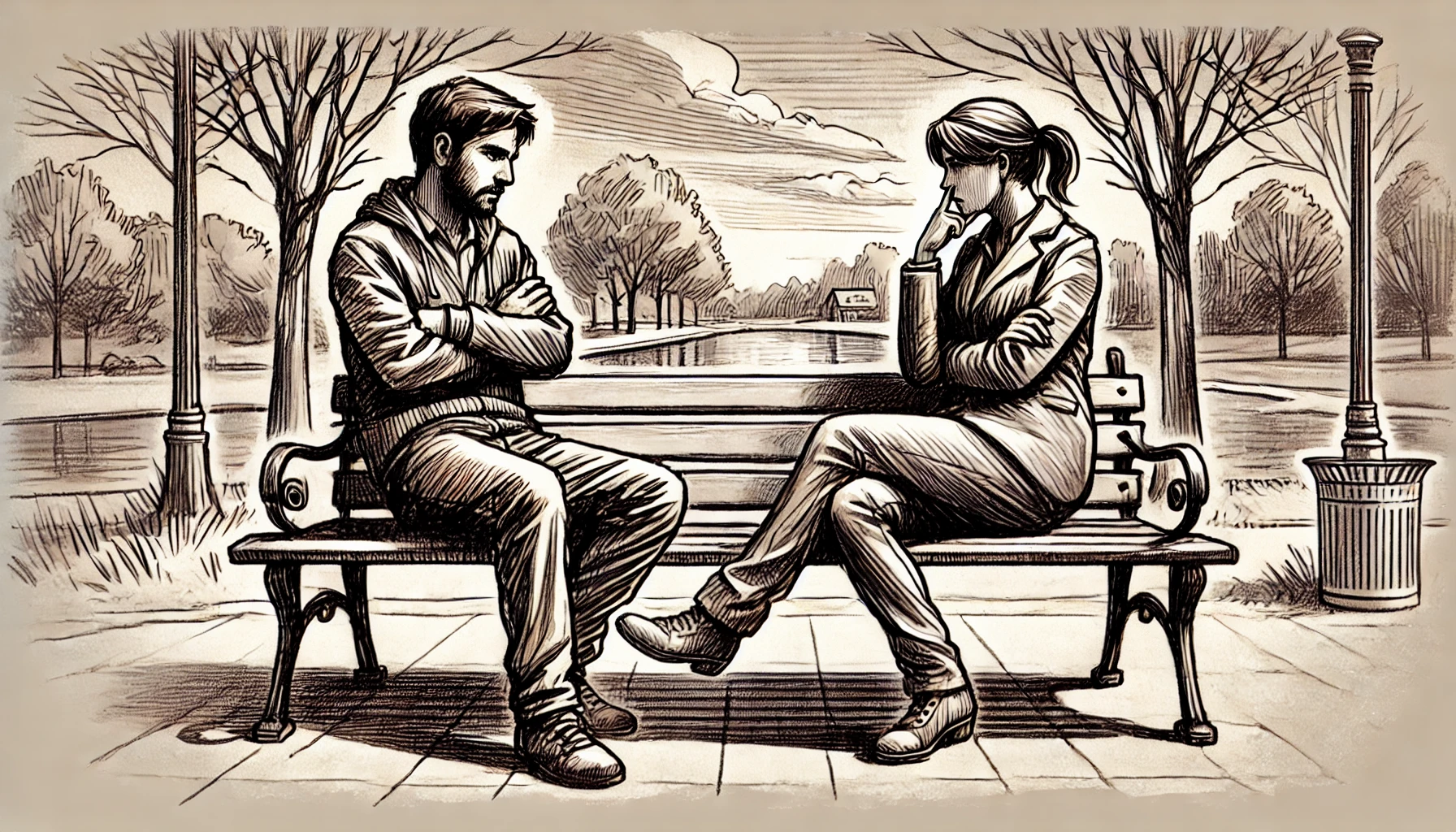
Conflict is an inevitable aspect of human interactions, whether in personal relationships, workplaces, or social settings. While words are often the primary mode of communication during conflicts, nonverbal cues play a crucial role in conveying emotions and intentions. These nonverbal signals, such as facial expressions, gestures, posture, and tone of voice, can provide valuable insights into a person’s true feelings and attitudes, often revealing more than spoken words alone. Interpreting nonverbal communication accurately in times of conflict can help de-escalate tensions, foster understanding, and lead to more constructive resolutions. This blog will explore the various forms of nonverbal communication in conflict situations and offer practical tips for interpreting and responding to these cues effectively.
Nonverbal communication can sometimes be ambiguous, making it challenging to interpret. However, by developing an awareness of these signals and considering the context, we can better understand the underlying emotions and motivations of those involved in the conflict. This understanding can facilitate more empathetic and effective communication, paving the way for resolution and reconciliation. In this blog, we will examine common nonverbal cues in conflict, their potential meanings, and strategies for interpreting them accurately.
1. The Importance of Nonverbal Communication in Conflict
- Revealing Emotions: Nonverbal cues often reveal emotions that may not be expressed verbally, providing a deeper understanding of the conflict.
- Indicating Intentions: They can indicate a person’s intentions or level of commitment to resolving the issue.
- Managing Conflict Dynamics: Understanding nonverbal communication helps manage the dynamics of conflict, reducing misunderstandings and escalation.
- Building Empathy: Being attuned to nonverbal signals fosters empathy, helping to address the emotional aspects of the conflict.
- Enhancing Communication: Interpreting nonverbal cues can enhance overall communication, leading to more effective and meaningful dialogue.
2. Common Nonverbal Cues in Conflict and Their Meanings
- Facial Expressions: Facial expressions, such as frowns, clenched jaws, or tight lips, can indicate anger, frustration, or tension.
- Eye Contact: Avoiding eye contact may signal discomfort, guilt, or avoidance, while direct eye contact can indicate sincerity or confrontation.
- Gestures: Crossed arms may suggest defensiveness or resistance, while open palms can indicate openness or a desire for resolution.
- Posture: Leaning forward can show engagement or aggression, while leaning back may indicate disengagement or withdrawal.
- Tone of Voice: A raised voice can signal anger or frustration, while a calm tone may indicate a desire to de-escalate the situation.
3. The Role of Facial Expressions in Conflict Interpretation
- Anger: Furrowed brows, tight lips, and a tense jaw are common indicators of anger.
- Sadness: Downturned lips, lowered gaze, and drooping eyelids may indicate sadness or disappointment.
- Surprise: Raised eyebrows and wide eyes can signal surprise or shock, potentially revealing unexpected reactions to the conflict.
- Contempt: A smirk or raised upper lip can indicate contempt or disdain, often escalating the conflict.
- Fear: Wide eyes, raised eyebrows, and a tense mouth may suggest fear or anxiety.
How to Respond: Acknowledge the emotions conveyed by facial expressions and address them directly. For example, “I see you’re upset. Let’s talk about what’s bothering you.”
4. Understanding Gestures and Their Impact
- Open vs. Closed Gestures: Open gestures, like uncrossed arms and open palms, signal openness and willingness to communicate. Closed gestures, like crossed arms, may indicate defensiveness or resistance.
- Pointing: Pointing can be perceived as aggressive or accusatory, potentially escalating the conflict.
- Fidgeting: Fidgeting or other nervous gestures may indicate anxiety, discomfort, or a desire to avoid the topic.
- Nodding: Nodding can show understanding and agreement, encouraging further communication.
- Shrugging: Shrugging may indicate indifference, uncertainty, or lack of knowledge.
How to Respond: Mirror open gestures to create a more inviting and open environment for discussion. Avoid pointing or aggressive gestures, and use nodding to show empathy and understanding.
5. The Significance of Eye Contact in Conflict
- Direct Eye Contact: Direct eye contact can indicate sincerity, confidence, or confrontation. It can also be used to gauge the seriousness of the issue.
- Avoiding Eye Contact: Avoidance may suggest discomfort, guilt, or a desire to evade the topic. It can also indicate respect in certain cultures.
- Intense Staring: Intense or prolonged staring can be perceived as confrontational or aggressive.
- Blinking Rate: Increased blinking may indicate stress, nervousness, or discomfort.
- Side Glances: Side glances can indicate suspicion or doubt.
How to Respond: Maintain appropriate eye contact to show attentiveness and respect. Avoid staring, and be sensitive to cultural differences regarding eye contact.
6. The Role of Posture and Body Language
- Leaning In: Leaning towards the speaker can show interest and engagement. However, it can also be perceived as aggressive if too forceful.
- Leaning Back: Leaning away may indicate disengagement, disinterest, or a desire to distance oneself from the conflict.
- Crossed Arms and Legs: Crossed arms and legs often signal defensiveness, resistance, or discomfort.
- Open Posture: An open posture with relaxed shoulders and arms suggests openness and a willingness to listen.
- Mirroring: Subtly mirroring the other person’s body language can create rapport and show empathy.
How to Respond: Adopt an open and relaxed posture to encourage open communication. Avoid closed body language and be mindful of the other person’s comfort level.
7. Tone of Voice and Its Influence
- Raised Voice: A raised voice often signals anger, frustration, or urgency. It can escalate the conflict if not managed carefully.
- Calm Tone: A calm and steady tone can help de-escalate tensions and encourage a more rational discussion.
- Monotone: A monotone voice may indicate disinterest, detachment, or exhaustion.
- Pitch and Inflection: Variations in pitch and inflection can convey emotions such as concern, curiosity, or skepticism.
- Pace: Speaking too quickly may indicate nervousness or urgency, while a slow pace can suggest thoughtfulness or hesitation.
How to Respond: Use a calm and steady tone to create a peaceful atmosphere. Avoid raising your voice, and be mindful of the emotional impact of your tone.
8. Recognizing Signs of Discomfort and Anxiety
- Fidgeting: Fidgeting, such as tapping fingers or shifting weight, can indicate anxiety or discomfort.
- Sweating: Excessive sweating may signal nervousness or stress.
- Rapid Breathing: Rapid or shallow breathing can indicate anxiety or panic.
- Trembling: Trembling hands or voice may suggest fear or extreme stress.
- Avoidance Behaviors: Avoidance behaviors, such as looking away or changing the subject, may indicate a desire to escape the situation.
How to Respond: Acknowledge the signs of discomfort and offer reassurance. For example, “I can see this is a difficult topic. Let’s take a moment to breathe and continue when you’re ready.”
9. Contextual Considerations in Interpreting Nonverbal Cues
- Cultural Differences: Be aware of cultural differences in nonverbal communication, as gestures, eye contact, and other cues can have different meanings in various cultures.
- Situational Context: Consider the context of the situation, including the location, timing, and relationship dynamics, when interpreting nonverbal signals.
- Previous Interactions: Reflect on past interactions and conflicts, as previous experiences can influence the interpretation of nonverbal cues.
- Personal Factors: Personal factors, such as individual communication styles and emotional states, can affect nonverbal behavior.
- Consistency: Look for consistency between verbal and nonverbal messages to gain a clearer understanding of the person’s true feelings.
How to Respond: Take a holistic approach when interpreting nonverbal cues, considering the context and individual differences. Avoid making assumptions based solely on one aspect of nonverbal communication.
10. Practical Tips for Interpreting and Responding to Nonverbal Cues in Conflict
- Be Observant: Pay close attention to the other person’s nonverbal cues, including facial expressions, gestures, posture, and tone of voice.
- Ask for Clarification: If unsure about the meaning of a nonverbal cue, ask for clarification to avoid misunderstandings. For example, “You seem upset. Can you tell me more about what’s bothering you?”
- Reflect and Validate: Reflect on the observed nonverbal cues and validate the person’s emotions. For example, “I see you’re feeling frustrated. Let’s work through this together.”
- Stay Calm and Composed: Maintain a calm and composed demeanor to help de-escalate the conflict and create a safe space for open communication.
- Practice Empathy: Show empathy by acknowledging the other person’s feelings and perspectives, even if you disagree with them.
How to Apply These Tips: During conflicts, remain attentive to both verbal and nonverbal communication. Use these tips to foster a constructive and empathetic dialogue, aiming for a resolution that considers everyone’s emotions and perspectives.
Conclusion
Interpreting nonverbal communication during conflicts is a vital skill that can lead to more effective and empathetic interactions. By being attuned to facial expressions, gestures, posture, and tone of voice, we can gain deeper insights into the emotions and intentions of others, facilitating better understanding and resolution. While nonverbal cues can sometimes be ambiguous, considering the context and cultural differences can help us interpret them more accurately.
As we continue to develop our ability to read and respond to nonverbal communication, we can create more constructive and supportive environments for addressing conflicts. This not only improves our relationships but also enhances our overall communication skills. Let us strive to approach conflicts with empathy, patience, and a genuine desire to understand and connect with others. By mastering the art of nonverbal communication, we can navigate conflicts more effectively and build stronger, more resilient relationships.