
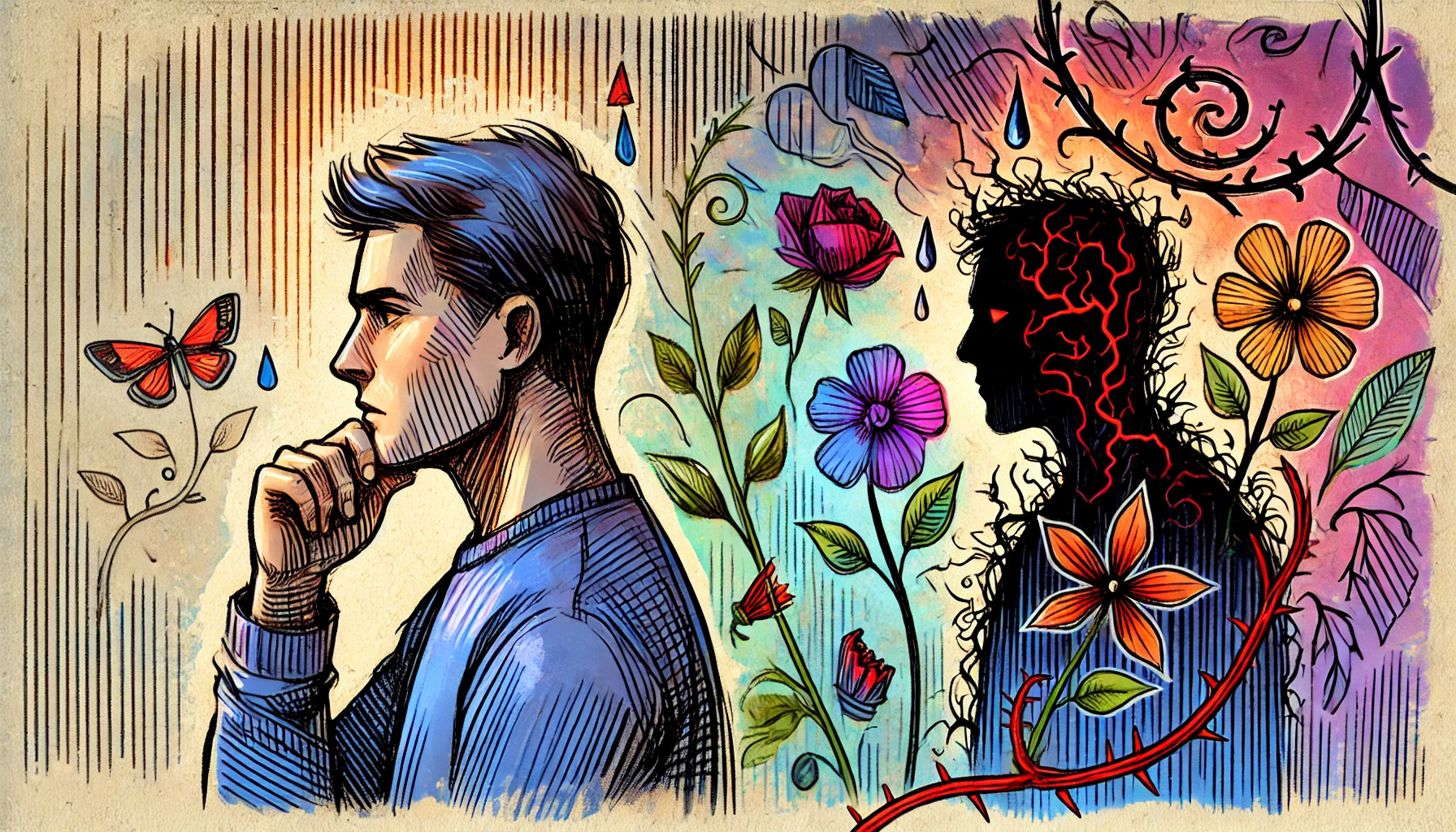
Identifying signs of a toxic friendship is crucial for maintaining your emotional well-being and ensuring that your relationships are supportive and healthy. Toxic friendships can drain your energy, undermine your self-esteem, and hinder your personal growth. While all friendships go through ups and downs, consistently negative or harmful patterns may indicate a toxic relationship that needs to be addressed.
Recognizing these signs early can help you take the necessary steps to protect yourself and make informed decisions about the future of the friendship.
1. Constant Criticism or Judgment
- In a toxic friendship, you may feel constantly criticized or judged by your friend, even when the feedback is unwarranted or harsh.
- Instead of offering constructive criticism, a toxic friend might belittle your choices, appearance, or achievements, leaving you feeling inadequate or insecure.
- This criticism may be disguised as “honesty” or “tough love,” but it often lacks empathy or kindness.
- Constant criticism can erode your self-esteem and make you doubt your worth, especially if it’s delivered under the guise of being helpful.
- If you find that interactions with your friend leave you feeling worse about yourself, this could be a sign of toxicity.
2. Manipulative Behavior
- Toxic friends often use manipulation to control situations or get what they want, whether it’s through guilt-tripping, playing the victim, or using emotional blackmail.
- They may twist facts, withhold information, or lie to influence your decisions and actions to their advantage.
- Manipulative friends might also create unnecessary drama or conflicts to keep you feeling off-balance or dependent on them.
- If you frequently feel pressured or coerced into doing things you’re uncomfortable with, it’s a sign that manipulation might be at play.
- Manipulative behavior undermines trust and makes the friendship feel one-sided or exploitative.
3. Lack of Support and Empathy
- A healthy friendship is based on mutual support and empathy, where both parties genuinely care about each other’s well-being.
- In a toxic friendship, you might find that your friend is unsupportive, dismissive, or indifferent to your struggles, successes, or feelings.
- They may downplay your achievements or fail to celebrate your successes, often shifting the focus back to themselves.
- When you seek comfort or advice, a toxic friend might offer superficial responses or seem uninterested in your issues.
- A lack of support and empathy can leave you feeling isolated and emotionally drained after interactions.
4. Excessive Jealousy or Competition
- A toxic friend may exhibit excessive jealousy or competitiveness, often trying to outdo you or undermine your achievements.
- Instead of being happy for your successes, they might respond with envy, making backhanded compliments or sarcastic remarks.
- They may try to one-up you in conversations, turning every discussion into a competition rather than a supportive exchange.
- Jealousy can also manifest as possessiveness, where the friend becomes overly controlling or resentful when you spend time with others.
- Constant competition and jealousy can create tension and make the friendship feel like a rivalry rather than a source of mutual support.
5. Consistent Negativity or Draining Energy
- Toxic friendships are often characterized by consistent negativity, where interactions leave you feeling drained, stressed, or anxious.
- Your friend may frequently complain, focus on the negative aspects of life, or bring down the mood with their pessimism.
- They might also be emotionally draining, always requiring your attention, sympathy, or problem-solving skills without reciprocating.
- If you find yourself dreading interactions with this friend or feeling exhausted after spending time together, it’s a clear sign of toxicity.
- Consistent negativity and emotional drainage can have a serious impact on your mental and emotional health over time.
6. Lack of Reciprocity
- In a healthy friendship, there’s a balance of give and take, where both parties contribute to the relationship equally.
- In a toxic friendship, you may notice a lack of reciprocity, where the friendship feels one-sided, with you doing most of the giving.
- Your friend might frequently ask for favors, emotional support, or time but rarely offers the same in return when you need it.
- They may take advantage of your generosity or kindness without showing appreciation or willingness to reciprocate.
- A lack of reciprocity can lead to feelings of resentment and burnout, as you realize the friendship is not mutually beneficial.
7. Gaslighting and Blame Shifting
- Gaslighting is a form of psychological manipulation where a person makes you doubt your perceptions, memories, or sanity.
- A toxic friend might deny things they said or did, accuse you of being overly sensitive, or twist the truth to make you question yourself.
- They may also shift blame onto you for problems in the friendship, refusing to take responsibility for their actions.
- If you frequently feel confused, guilty, or second-guess yourself after interacting with your friend, gaslighting might be occurring.
- Gaslighting and blame-shifting are serious red flags, as they undermine your confidence and self-trust.
8. Inability to Resolve Conflicts
- Healthy friendships can withstand conflicts and disagreements because both parties are willing to communicate, listen, and find solutions.
- In a toxic friendship, conflicts are either avoided, escalated unnecessarily, or never truly resolved.
- Your friend might refuse to acknowledge their role in the conflict, become defensive, or use the disagreement as an opportunity to attack you.
- They may also hold grudges, bring up past mistakes, or use conflicts to manipulate or control you.
- The inability to resolve conflicts can create ongoing tension and resentment, making the friendship feel unstable and unhealthy.
9. Feeling Controlled or Trapped
- Toxic friends often exhibit controlling behavior, dictating how you should spend your time, who you should see, or what decisions you should make.
- They might guilt-trip you for making choices that don’t align with their preferences or try to isolate you from other friends or activities.
- You may feel trapped in the friendship, afraid of the consequences if you assert your independence or set boundaries.
- Feeling controlled or trapped can significantly impact your sense of autonomy and self-worth, making it difficult to maintain a healthy, balanced relationship.
- If you feel like you’re constantly walking on eggshells or losing your sense of self, the friendship may be toxic.
10. Consistent Disrespect or Boundary Violations
- Respect for each other’s boundaries is a cornerstone of a healthy friendship. In a toxic relationship, boundaries are often ignored or violated.
- Your friend might dismiss your personal space, time, or emotional needs, pushing you to do things you’re uncomfortable with.
- They may also disrespect your opinions, values, or decisions, making you feel undervalued or belittled.
- Consistent disrespect can erode the trust and safety that are essential in any friendship.
- If your boundaries are regularly crossed, and your attempts to assert them are dismissed, it’s a sign that the friendship is not healthy.
In conclusion, recognizing the signs of a toxic friendship is essential for your emotional and mental well-being. If you notice patterns of criticism, manipulation, lack of support, or other toxic behaviors, it’s important to take action. This might involve setting boundaries, seeking support from others, or, in some cases, distancing yourself from the friendship. Prioritizing your well-being and surrounding yourself with positive, supportive relationships is key to a fulfilling and balanced life.