
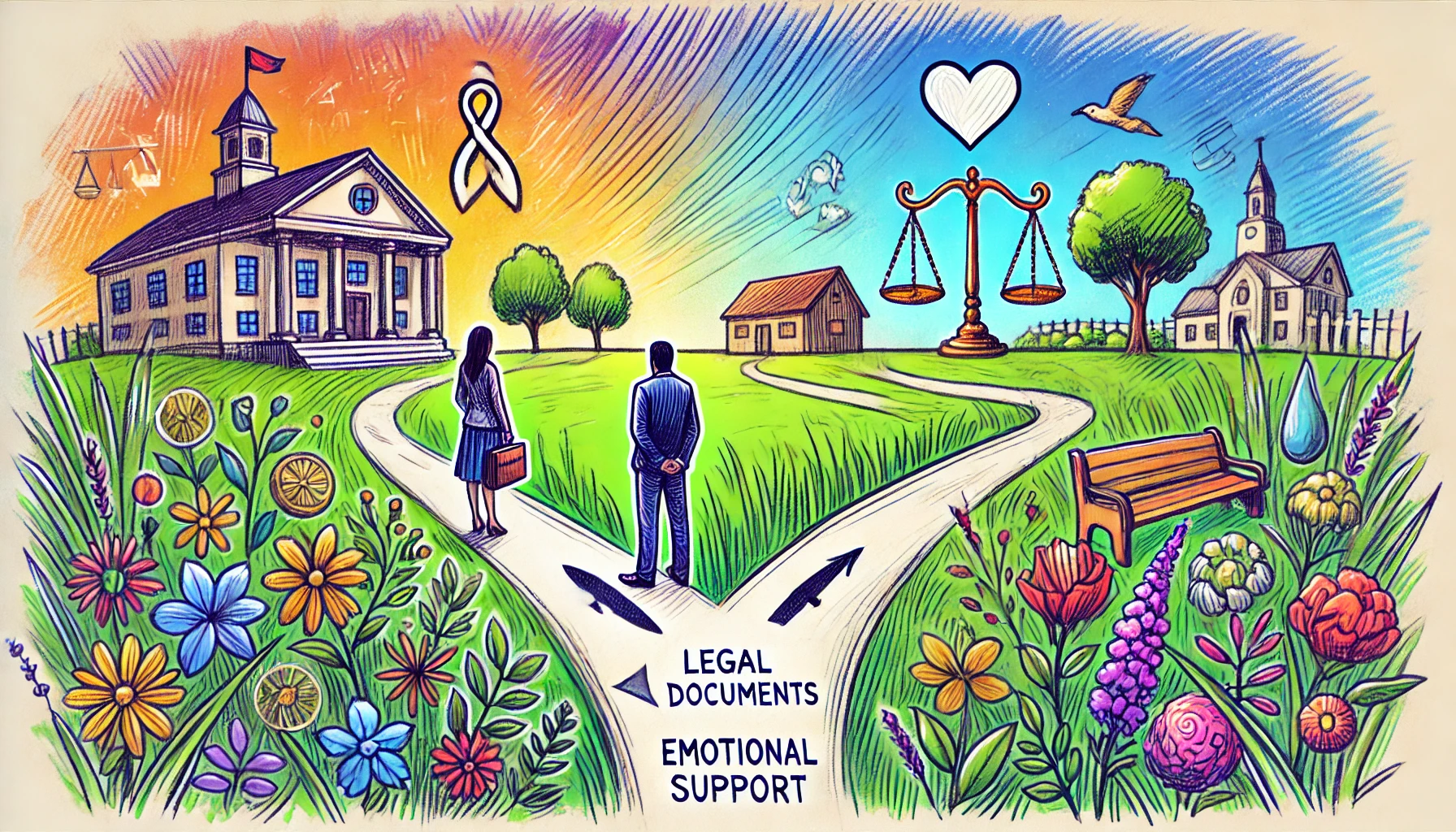
Divorce is a life-altering experience that involves both legal and emotional challenges. Managing these aspects simultaneously can be overwhelming, but with the right approach, you can navigate this difficult period effectively. While the legal process is focused on resolving issues like property division, child custody, and support, the emotional journey involves coping with grief, loss, and significant life changes. Understanding how to address both the legal and emotional aspects of divorce is crucial for ensuring a smoother transition to the next chapter of your life.
The legal process of divorce can be complex, requiring careful attention to detail and a clear understanding of your rights and obligations. At the same time, the emotional impact of ending a marriage can be profound, affecting your mental health and overall well-being. Balancing these two dimensions requires thoughtful planning, support, and a proactive approach. This guide will provide you with practical strategies for handling the legal and emotional aspects of divorce, helping you emerge from the process with confidence and resilience.
1. Understand the Legal Process
- Begin by educating yourself about the divorce laws in your state or country, as they govern how property, custody, and support issues are resolved.
- Familiarize yourself with the steps involved in the divorce process, including filing the petition, serving papers, and attending court hearings or mediation sessions.
- Understand your legal rights regarding marital property, child custody, and spousal support, as these will be central to your divorce proceedings.
- Consulting with a divorce attorney early on can help you navigate the legal system, protect your interests, and avoid costly mistakes.
- Stay informed about the progress of your case and communicate regularly with your attorney to ensure that your legal needs are being met.
2. Gather and Organize Financial Information
- Collect all financial documents, such as bank statements, tax returns, property deeds, and retirement account statements, to get a clear picture of your marital assets and debts.
- Full financial disclosure is typically required during divorce proceedings, so being organized will help you present your case effectively.
- Work with your attorney to assess the value of your assets and determine what you are entitled to under the law.
- Keep copies of all documents in a secure location, and consider creating a digital backup for easy access during negotiations or court proceedings.
- Understanding your financial situation will empower you to negotiate a fair settlement and plan for your future.
3. Protect Your Legal Rights
- Your attorney plays a crucial role in protecting your rights during the divorce process, so choose one with experience and a strong track record in family law.
- Ensure that your attorney understands your goals and priorities, whether they involve securing custody of your children, protecting your financial interests, or ensuring a fair division of assets.
- Be proactive in discussing potential legal strategies with your attorney, and don’t be afraid to ask questions if you’re unsure about any aspect of your case.
- Consider alternatives to litigation, such as mediation or collaborative divorce, if you believe they can help you reach a fair settlement without the stress of a courtroom battle.
- Protecting your legal rights also means avoiding actions that could harm your case, such as hiding assets or violating court orders.
4. Develop a Support System
- Divorce can be emotionally taxing, so it’s important to surround yourself with a strong support system of friends, family, or a therapist who can provide guidance and comfort.
- Seek out support groups or online communities where you can connect with others who are going through similar experiences.
- Talking about your feelings with trusted individuals can help you process the emotions that arise during divorce and reduce feelings of isolation.
- Professional counseling can be especially beneficial, providing you with coping strategies to manage stress, anxiety, and depression.
- A robust support system will help you stay grounded and emotionally resilient as you navigate the legal aspects of divorce.
5. Prioritize Your Emotional Well-Being
- Acknowledge the range of emotions you may experience during divorce, from grief and anger to relief and hope for the future.
- Allow yourself to grieve the end of your marriage, as this is a natural part of the healing process.
- Practice self-care by engaging in activities that promote relaxation and well-being, such as exercise, meditation, and hobbies you enjoy.
- Consider journaling as a way to process your emotions and reflect on your experiences, which can provide clarity and a sense of control.
- Prioritizing your emotional health will help you make more rational decisions during the divorce process and prepare you for life after divorce.
6. Focus on Effective Communication
- Clear and respectful communication with your spouse is essential, especially if you have children or shared assets that require ongoing cooperation.
- Set boundaries for discussions with your spouse, particularly if emotions are running high, to prevent conflicts from escalating.
- If direct communication is difficult, consider using a mediator or communicating through your attorneys to ensure that discussions remain productive.
- Keep communication focused on practical matters, such as parenting schedules, financial arrangements, and legal obligations.
- Effective communication can help reduce misunderstandings and foster a more amicable divorce process.
7. Plan for the Future
- As you navigate the legal and emotional aspects of divorce, it’s important to start thinking about your future and the steps you need to take to rebuild your life.
- Develop a financial plan that reflects your new circumstances, including budgeting for living expenses, managing debt, and planning for retirement.
- Consider your career goals and whether you need to seek additional training or education to achieve financial independence post-divorce.
- Update your estate planning documents, such as wills and beneficiary designations, to reflect your new marital status.
- Planning for your future will give you a sense of direction and purpose as you transition to the next chapter of your life.
8. Protect Your Children’s Well-Being
- If you have children, their well-being should be a top priority throughout the divorce process.
- Work with your spouse to create a parenting plan that addresses custody, visitation, and communication in a way that supports your children’s best interests.
- Shield your children from conflicts and avoid involving them in disputes, as this can create emotional distress and impact their mental health.
- Be open to co-parenting arrangements that allow both parents to remain actively involved in your children’s lives.
- Consider family counseling to help your children cope with the changes and ensure they feel supported during the transition.
9. Stay Organized and Proactive
- Divorce involves a significant amount of paperwork and legal requirements, so staying organized is key to managing the process effectively.
- Keep a detailed calendar of all court dates, meetings with your attorney, and deadlines for submitting documents.
- Create a checklist of tasks to ensure that nothing is overlooked, from filing legal paperwork to updating financial accounts and insurance policies.
- Being proactive in managing the legal aspects of your divorce will help you avoid delays and ensure that you’re prepared for each stage of the process.
- Staying organized will also reduce stress and help you maintain a sense of control during an otherwise turbulent time.
10. Accept and Embrace Change
- Divorce represents a significant life change, and it’s natural to feel apprehensive about what the future holds.
- Embrace the opportunity for personal growth and self-discovery that comes with ending one chapter of your life and starting a new one.
- Accept that change is a part of life, and while it may be challenging, it also brings new opportunities for happiness and fulfillment.
- Focus on building a positive future for yourself, whether that involves pursuing new interests, developing new relationships, or achieving personal goals.
- By accepting and embracing change, you can move forward with confidence and create a fulfilling life after divorce.
Handling the legal and emotional aspects of divorce requires a balanced approach that addresses both the practical and personal challenges you’ll face. By understanding the legal process, protecting your rights, and prioritizing your emotional well-being, you can navigate this difficult time with resilience and grace. Remember that while divorce is a challenging experience, it also offers the opportunity for a fresh start and the chance to build a life that reflects your true needs and desires.