
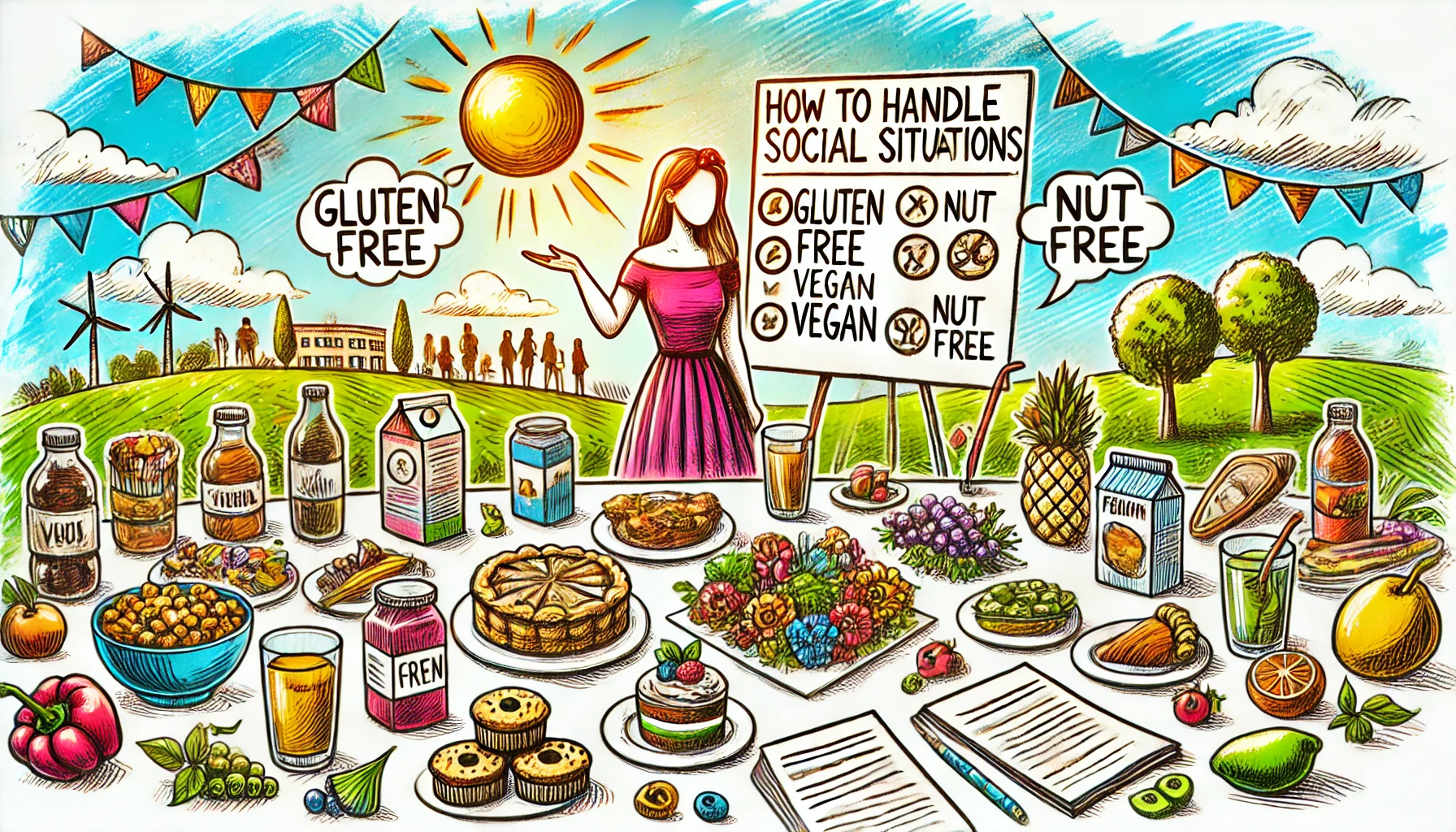
Handling social situations with dietary restrictions can be challenging, but with a bit of planning and communication, you can navigate these events smoothly. Whether you’re attending a family gathering, dining out with friends, or participating in a work event, it’s important to ensure that your dietary needs are met without feeling like a burden. This comprehensive guide provides practical tips for managing social situations while adhering to your dietary restrictions.
From communicating your needs effectively to finding suitable food options and dealing with potential social pressures, being prepared can help you enjoy social occasions without compromising your health. Let’s explore how to handle social situations with dietary restrictions and maintain a balanced, stress-free approach.
1. Communicating Your Dietary Restrictions
Informing Hosts and Friends
- Early Notification: Inform your host or friends about your dietary restrictions well in advance of the event. This gives them time to accommodate your needs.
- Clear Communication: Be specific about what you can and cannot eat. Explain any cross-contamination issues if you have severe allergies.
Handling Invitations
- Offer to Bring a Dish: Suggest bringing a dish that meets your dietary needs. This ensures there will be at least one safe option for you.
- Ask About the Menu: Inquire about the planned menu and discuss potential modifications or substitutions that can be made.
2. Navigating Social Events
Attending Family Gatherings
- Family Awareness: Make sure family members are aware of your dietary restrictions. Provide them with information on safe ingredients and potential allergens.
- Pre-Event Meal: Consider eating a small meal or snack before the event to avoid hunger if safe food options are limited.
Dining Out with Friends
- Choosing the Restaurant: Suggest restaurants known for accommodating dietary restrictions or have a variety of menu options. Research and suggest places that have good reviews regarding allergy-friendly practices.
- Discussing Options: Call the restaurant ahead of time to discuss your dietary needs with the staff. Ask about safe menu options and how they handle cross-contamination.
Work Events and Parties
- Communicating with Organizers: Inform event organizers or caterers about your dietary restrictions. Ask if they can provide suitable options for you.
- Bringing Snacks: Carry safe snacks or a small meal in case there are no suitable options available at the event.
3. Dealing with Social Pressures
Explaining Your Restrictions
- Educate Others: Politely explain your dietary restrictions and the reasons behind them. Most people are understanding when they know it’s a health requirement.
- Staying Firm: Be firm but polite if someone pressures you to eat something that isn’t safe. Your health and well-being come first.
Handling Questions and Comments
- Prepare Responses: Have a few prepared responses for common questions or comments about your dietary restrictions. For example, “I have a severe allergy, so I need to avoid these foods for my health.”
- Stay Positive: Keep the conversation positive and focused on the event rather than your dietary restrictions. Redirect conversations to other topics if needed.
4. Practical Tips for Managing Dietary Restrictions
Bringing Your Own Food
- Portable Meals: Bring portable meals or snacks that meet your dietary needs. This ensures you have something safe to eat and reduces anxiety.
- Sharing Your Dish: Bring a dish that everyone can enjoy. This not only ensures you have something safe to eat but also introduces others to your dietary preferences.
Reading Labels and Menus
- Label Reading: Always read labels carefully if consuming packaged foods. Check for hidden allergens or restricted ingredients.
- Menu Analysis: Look for simple dishes with minimal ingredients. Avoid foods that are likely to contain hidden allergens or cross-contamination risks.
5. Recipes for Social Events
Vegan and Gluten-Free Quinoa Salad
Ingredients:
- 1 cup quinoa, cooked
- 1 can chickpeas, drained and rinsed
- 1 cucumber, diced
- 1 red bell pepper, diced
- 1/4 cup red onion, finely chopped
- 1/4 cup fresh parsley, chopped
- Juice of 1 lemon
- 2 tablespoons olive oil
- Salt and pepper to taste
Instructions:
- In a large bowl, combine the cooked quinoa, chickpeas, cucumber, bell pepper, red onion, and parsley.
- In a small bowl, whisk together the lemon juice, olive oil, salt, and pepper.
- Pour the dressing over the salad and toss to combine.
- Serve chilled or at room temperature.
Nut-Free Energy Balls
Ingredients:
- 1 cup oats
- 1/2 cup sunflower seed butter
- 1/4 cup honey or maple syrup
- 1/4 cup dried cranberries or raisins
- 1/4 cup chocolate chips (optional)
- 1 teaspoon vanilla extract
- A pinch of salt
Instructions:
- In a large bowl, mix all ingredients until well combined.
- Roll the mixture into small balls and place them on a baking sheet lined with parchment paper.
- Refrigerate for at least 30 minutes before serving.
- Store in an airtight container in the refrigerator.
Dairy-Free Chocolate Mousse
Ingredients:
- 1 can full-fat coconut milk
- 1/4 cup cocoa powder
- 1/4 cup maple syrup
- 1 teaspoon vanilla extract
Instructions:
- Refrigerate the can of coconut milk overnight.
- Scoop out the solidified coconut cream from the can into a mixing bowl, discarding the liquid.
- Add the cocoa powder, maple syrup, and vanilla extract.
- Whip the mixture with an electric mixer until light and fluffy.
- Chill in the refrigerator for at least 30 minutes before serving.
Handling social situations with dietary restrictions requires proactive communication, planning, and a positive attitude. By informing hosts and friends about your dietary needs, choosing suitable restaurants, and bringing safe foods to events, you can enjoy social gatherings without compromising your health. Use these tips and recipes to navigate social situations confidently and ensure your dietary restrictions are respected and accommodated. With a bit of preparation and assertiveness, you can participate fully in social events while adhering to your dietary needs.