
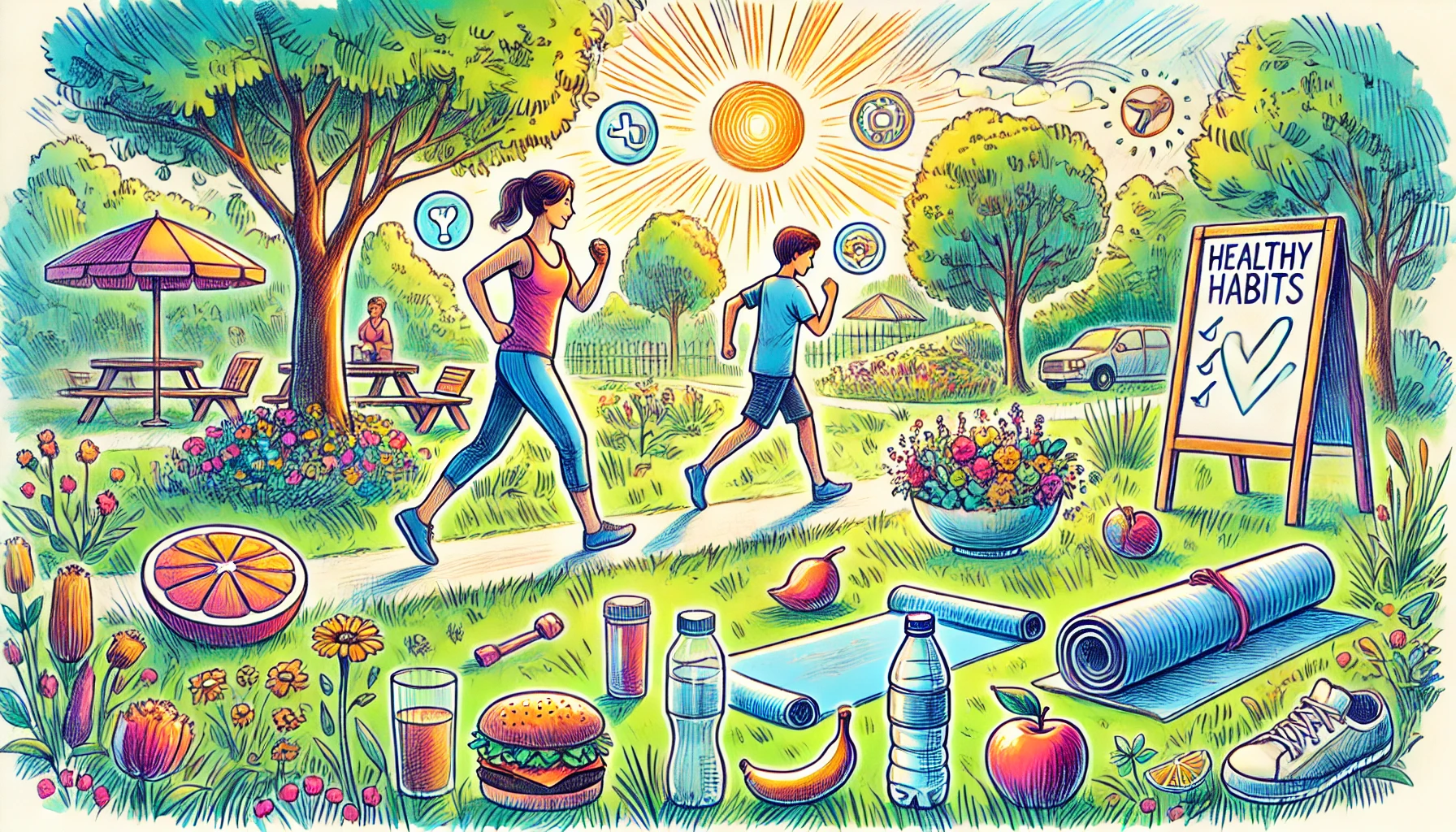
Encouraging healthy habits in teenagers is crucial for their overall well-being and development. Adolescence is a time of significant physical, emotional, and psychological changes, making it an ideal period to establish habits that can last a lifetime. Parents play a vital role in guiding their teens towards healthy lifestyle choices, including proper nutrition, regular physical activity, adequate sleep, and effective stress management.
Developing healthy habits can help teens manage stress, improve academic performance, boost self-esteem, and foster a positive outlook on life. This guide provides practical strategies for parents to encourage healthy habits in their teens and create a supportive environment that promotes long-term well-being.
1. Lead by Example
- Model Healthy Behavior: Demonstrate healthy habits in your own life. Teens are more likely to adopt habits they see practiced by their parents.
- Positive Attitude: Maintain a positive attitude toward health and wellness, emphasizing the benefits of healthy habits.
- Balanced Lifestyle: Show the importance of balance by managing work, family, and self-care effectively.
2. Promote Balanced Nutrition
- Nutritious Meals: Encourage eating balanced meals that include a variety of fruits, vegetables, whole grains, and lean proteins.
- Healthy Snacks: Provide healthy snack options like nuts, yogurt, and fresh fruit.
- Family Meals: Make family meals a regular practice to model healthy eating and foster family connections.
- Cooking Together: Involve your teen in meal planning and preparation to teach them about nutrition and healthy cooking.
- Limit Sugary Drinks: Encourage drinking water, herbal teas, and natural juices instead of sugary drinks and sodas.
3. Encourage Regular Physical Activity
- Active Lifestyle: Promote an active lifestyle by encouraging your teen to participate in sports, dance, or other physical activities they enjoy.
- Exercise Together: Plan family activities that involve physical exercise, such as hiking, biking, or playing sports.
- Daily Movement: Encourage daily movement, whether it’s a short walk, stretching, or a quick workout.
- Limit Screen Time: Set boundaries for screen time to ensure it doesn’t interfere with physical activity.
- Fitness Goals: Help your teen set realistic fitness goals and celebrate their achievements.
4. Ensure Adequate Sleep
- Consistent Sleep Schedule: Encourage a consistent sleep schedule with regular bedtimes and wake-up times.
- Sleep Environment: Create a sleep-friendly environment by keeping the bedroom cool, dark, and quiet.
- Limit Electronics: Discourage the use of electronics before bedtime to improve sleep quality.
- Relaxation Techniques: Teach relaxation techniques such as deep breathing or reading before bed to promote restful sleep.
- Sleep Importance: Educate your teen about the importance of sleep for overall health and well-being.
5. Foster Emotional Well-Being
- Open Communication: Maintain open lines of communication to allow your teen to express their feelings and concerns.
- Emotional Support: Provide emotional support and validation, helping your teen navigate their emotions.
- Stress Management: Teach stress management techniques such as mindfulness, meditation, and deep breathing exercises.
- Encourage Hobbies: Support your teen in pursuing hobbies and interests that bring joy and relaxation.
- Positive Self-Talk: Encourage positive self-talk and help your teen build self-esteem and confidence.
6. Promote Academic Balance
- Time Management: Help your teen develop time management skills to balance schoolwork, extracurricular activities, and leisure time.
- Study Breaks: Encourage regular study breaks to prevent burnout and maintain focus.
- Realistic Expectations: Set realistic academic expectations and avoid placing excessive pressure on your teen.
- Homework Routine: Establish a consistent homework routine in a quiet, distraction-free environment.
- Celebrate Efforts: Acknowledge and celebrate your teen’s efforts and achievements, regardless of the outcome.
7. Teach Healthy Coping Mechanisms
- Problem-Solving Skills: Teach problem-solving skills to help your teen navigate challenges effectively.
- Healthy Outlets: Encourage healthy outlets for stress, such as physical activity, creative pursuits, and social interactions.
- Mindfulness Practices: Introduce mindfulness practices to help your teen stay grounded and manage stress.
- Social Support: Encourage your teen to build and maintain healthy relationships with friends and family.
- Professional Help: Seek professional help if your teen is struggling with mental health issues.
8. Encourage Social Connections
- Family Time: Spend quality time together as a family to strengthen bonds and provide support.
- Peer Interaction: Encourage positive peer interaction through clubs, sports, and social activities.
- Community Involvement: Promote involvement in community service or volunteer work to build connections and a sense of purpose.
- Supportive Environment: Create a supportive home environment where your teen feels valued and understood.
- Positive Role Models: Introduce your teen to positive role models who can inspire and guide them.
9. Monitor and Limit Screen Time
- Set Boundaries: Establish clear boundaries for screen time, including limits on social media and video games.
- Screen-Free Zones: Create screen-free zones in the home, such as the dining room, to encourage face-to-face interactions.
- Educational Content: Encourage the use of educational and enriching content over purely recreational screen time.
- Active Alternatives: Promote active alternatives to screen time, such as outdoor activities or board games.
- Digital Detox: Encourage regular digital detoxes to reduce reliance on screens and promote overall well-being.
10. Support Overall Well-Being
- Routine Check-Ups: Ensure regular medical and dental check-ups to monitor and maintain health.
- Healthy Habits Education: Educate your teen about the importance of healthy habits for long-term well-being.
- Holistic Health: Emphasize the interconnectedness of physical, mental, and emotional health.
- Encourage Autonomy: Encourage your teen to take responsibility for their health and well-being, fostering independence.
- Positive Environment: Create a positive home environment that promotes health, happiness, and personal growth.
Encouraging healthy habits in your teen involves modeling positive behavior, providing education and support, and creating an environment that fosters well-being. By promoting balanced nutrition, regular physical activity, adequate sleep, and emotional well-being, parents can help their teens develop habits that contribute to long-term health and happiness. Remember, your guidance and support play a crucial role in shaping your teen’s lifestyle choices and overall development.