
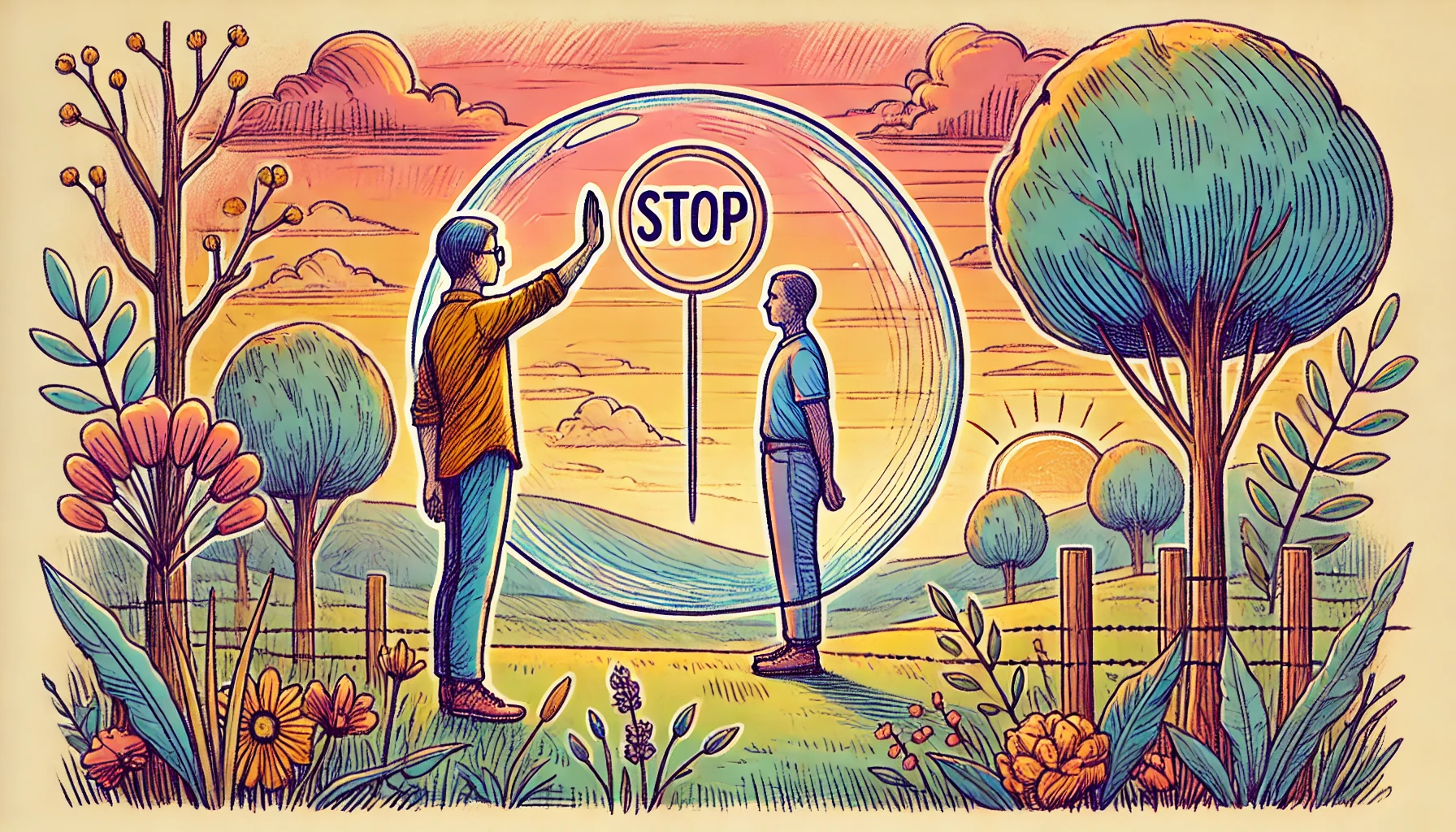
Navigating friendships where your boundaries are disrespected can be challenging and emotionally draining. Boundaries are essential for maintaining healthy relationships, as they help protect your well-being, define your identity, and promote mutual respect. However, when friends consistently overstep these boundaries, it can lead to feelings of frustration, resentment, and even harm to your self-esteem. Understanding how to address these issues effectively is crucial for preserving both your mental health and the integrity of your relationships.
In this blog, we will explore practical strategies for dealing with friends who disrespect your boundaries. These tips are designed to help you assert your needs confidently while maintaining the dignity of all parties involved. Whether you’re dealing with a friend who is overly demanding of your time, dismissive of your personal values, or prone to crossing emotional or physical boundaries, these strategies can provide a framework for addressing these concerns constructively. By learning to navigate these situations, you can foster healthier, more respectful relationships, or make the difficult decision to step away from those that no longer serve your well-being.
1. Recognize the Importance of Boundaries
- Understanding Boundaries: Boundaries are essential in any relationship. They define what is acceptable and what isn’t, helping to maintain respect and mutual understanding.
- Impact of Boundary Violations: When boundaries are ignored, it can lead to emotional distress, anxiety, and a sense of being devalued. Recognizing these impacts is the first step in addressing the issue.
- Self-Respect and Boundaries: Enforcing boundaries is a form of self-respect. It shows that you value yourself and your needs, which is crucial in any healthy relationship.
- Long-Term Consequences: Consistent boundary violations can damage the foundation of trust and respect in a friendship, leading to long-term issues.
- Preventive Measures: Clearly defining and communicating your boundaries early in the relationship can prevent misunderstandings and conflicts.
2. Assess the Relationship
- Evaluate the Friendship: Take time to assess the friendship. Are the benefits of the relationship outweighing the stress caused by boundary violations?
- Identify Patterns: Look for patterns in behavior. If the boundary violations are a consistent issue, it might indicate a deeper problem within the relationship.
- Consider Intentions: Reflect on whether your friend’s actions are intentional or simply a misunderstanding. This can guide your approach in addressing the issue.
- Determine Your Limits: Decide how much you are willing to tolerate. Understanding your limits is crucial in maintaining your mental and emotional well-being.
- Cost-Benefit Analysis: Consider the emotional cost of maintaining the friendship versus the benefits it brings. This can help you decide if the relationship is worth salvaging.
3. Communicate Your Boundaries Clearly
- Direct Communication: Clearly express your boundaries to your friend. Be direct and specific about what behaviors are unacceptable and why.
- Use “I” Statements: Frame your concerns using “I” statements to avoid sounding accusatory. For example, “I feel disrespected when you do X.”
- Be Consistent: Consistency is key when enforcing boundaries. Ensure that you communicate the same message every time the boundary is crossed.
- Set Consequences: Clearly outline the consequences of continued boundary violations. For instance, if the behavior doesn’t change, you may need to take a step back from the friendship.
- Non-Negotiable Boundaries: Identify which boundaries are non-negotiable and make sure your friend understands that these are not up for discussion.
4. Practice Assertiveness
- Confidence in Communication: Approach the situation with confidence. Assertiveness is about expressing your needs and expectations without being aggressive.
- Body Language: Use positive body language to reinforce your message. Maintain eye contact, and keep your posture open and relaxed.
- Rehearse Your Response: Practice what you want to say beforehand. This can help you stay calm and focused during the conversation.
- Stay Calm: Remain calm and composed, even if the conversation becomes difficult. This helps in maintaining control of the situation.
- Reiterate Your Boundaries: Don’t hesitate to reiterate your boundaries if they are challenged. Persistence is essential in ensuring they are respected.
5. Handle Emotional Reactions
- Anticipate Reactions: Be prepared for your friend’s emotional reactions, which can range from denial to anger or guilt.
- Stay Grounded: Keep your emotions in check. Don’t let their reaction deter you from maintaining your boundaries.
- Empathy and Understanding: Show empathy by acknowledging their feelings, but remain firm in your stance. Balancing empathy with assertiveness can prevent escalation.
- Don’t Take It Personally: Understand that their reaction is a reflection of their emotions, not a commentary on your worth or values.
- Know When to Walk Away: If the conversation becomes too heated or unproductive, it’s okay to pause and revisit the discussion later.
6. Enforce Consequences
- Follow Through: If you’ve set consequences for boundary violations, be prepared to follow through. This reinforces that your boundaries are serious.
- Adjust Relationship Dynamics: You might need to adjust how you interact with this friend if they continue to disrespect your boundaries, such as limiting contact or changing the nature of your relationship.
- Stay Firm: Once consequences are set, stay firm. Backtracking on consequences can undermine your authority and lead to further disrespect.
- Give Yourself Permission: Allow yourself to step back from the relationship if needed. Prioritizing your well-being is not selfish; it’s necessary.
- Evaluate Outcomes: After enforcing consequences, evaluate the results. Has the friend’s behavior changed? If not, further action may be required.
7. Seek Support from Others
- Talk to Trusted Friends: Share your experience with trusted friends or family members who can offer support and advice.
- Join Support Groups: Consider joining a support group where you can discuss your situation with others who have had similar experiences.
- Professional Guidance: If the situation is causing significant distress, seeking advice from a counselor or therapist can provide additional strategies and support.
- Build a Support Network: Surround yourself with people who respect your boundaries. This can reinforce your resolve and provide emotional backup.
- Avoid Isolation: Don’t isolate yourself. Lean on your support system to help you navigate the challenges of maintaining boundaries.
8. Reflect on Your Values
- Clarify Your Values: Take time to reflect on what values are most important to you. This can guide your boundary-setting process.
- Align Boundaries with Values: Ensure that your boundaries reflect your core values. This alignment makes it easier to defend them when challenged.
- Reevaluate as Needed: As your values evolve, your boundaries may need to be adjusted. Regularly reevaluating your boundaries ensures they continue to serve your best interests.
- Self-Reflection: Engage in regular self-reflection to understand how your boundaries impact your well-being and relationships.
- Value-Based Decision Making: Use your values as a guide when making decisions about friendships, ensuring that your relationships align with what you hold dear.
9. Practice Self-Care
- Prioritize Self-Care: Engaging in self-care is crucial when dealing with challenging relationships. It helps replenish your emotional and mental energy.
- Set Time for Yourself: Dedicate time to activities that rejuvenate you, whether it’s a hobby, exercise, or simply relaxing.
- Mindfulness Practices: Incorporate mindfulness practices such as meditation or deep breathing to help manage stress and maintain focus on your needs.
- Seek Balance: Strive to maintain a balance between caring for yourself and managing your relationships. Don’t neglect your well-being in the process.
- Recognize Burnout: Be aware of signs of burnout and take action to address it. Constantly managing boundary violations without adequate self-care can lead to emotional exhaustion.
10. Know When to End the Relationship
- Assess the Severity: If a friend consistently disrespects your boundaries despite multiple discussions, it may be time to consider ending the relationship.
- Acknowledge the Impact: Recognize the emotional toll the relationship is taking on you. If it’s more harmful than beneficial, it might be best to move on.
- Communicate Your Decision: If you decide to end the friendship, communicate your decision clearly and respectfully, explaining your reasons.
- Focus on Healing: After ending a relationship, focus on healing and processing your emotions. Give yourself time to recover from the experience.
- Move Forward: Learn from the experience and carry the lessons forward into future relationships, ensuring they are healthier and more respectful.
Conclusion
Dealing with friends who disrespect your boundaries is never easy, but it is essential for maintaining your mental and emotional health. Boundaries are the cornerstone of any healthy relationship, and when they are repeatedly crossed, it can erode trust, respect, and even your sense of self. By recognizing the importance of boundaries, communicating them clearly, and enforcing them consistently, you can protect your well-being and foster more respectful and fulfilling relationships. However, if a friendship continues to harm you despite your best efforts, it may be necessary to step away and prioritize your own peace and happiness.
Remember, it’s okay to walk away from relationships that no longer serve you. Your well-being should always come first, and by practicing self-care and surrounding yourself with supportive individuals, you can build a network of relationships that uplift and respect you.