
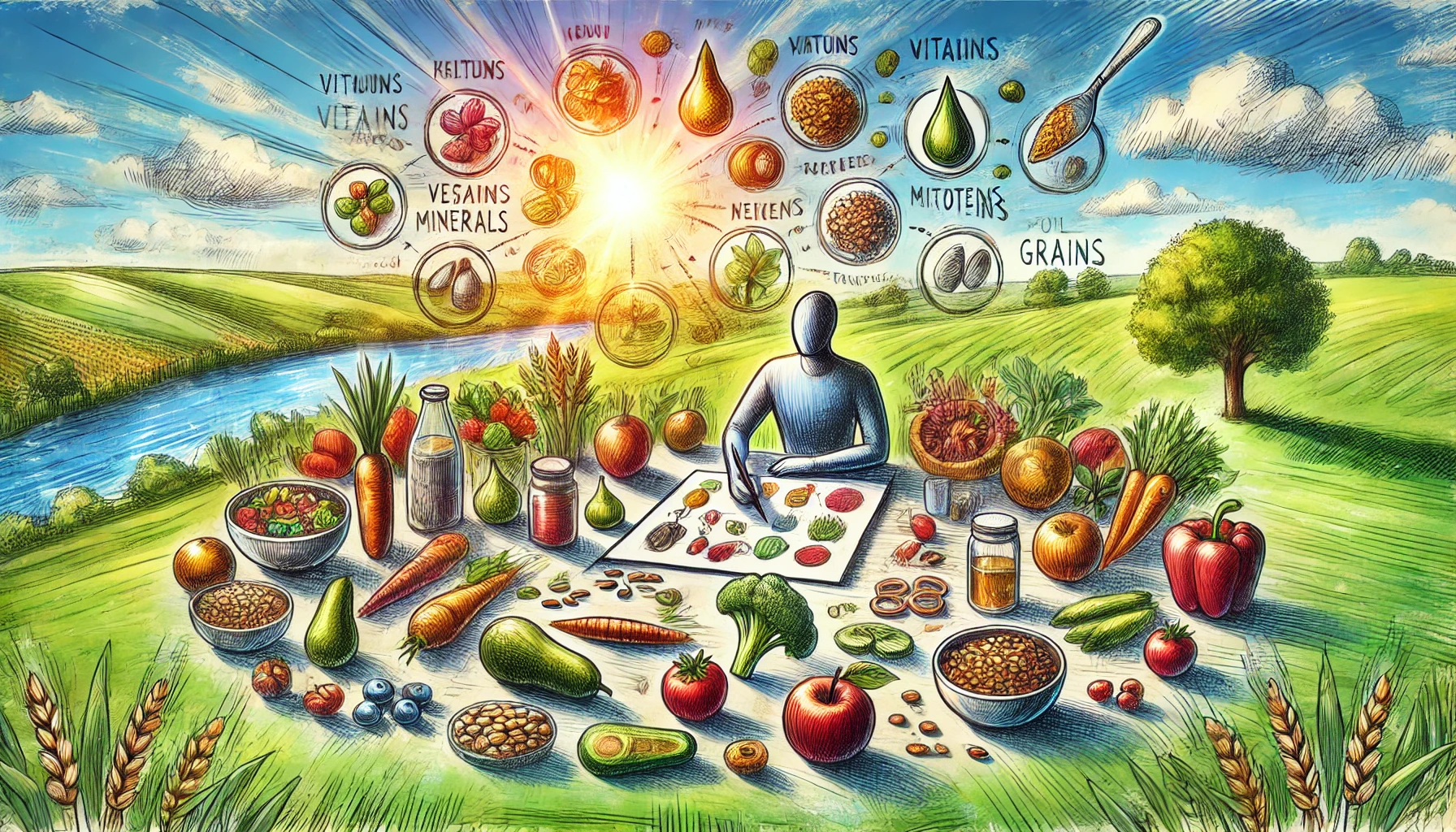
Creating a nutrient-rich diet plan involves selecting a variety of foods that provide essential vitamins, minerals, and other nutrients necessary for optimal health. A well-balanced diet supports energy levels, immune function, cognitive health, and overall well-being. This blog provides a step-by-step guide to creating a nutrient-rich diet plan that can help prevent nutritional deficiencies and promote a healthier lifestyle.
Nutrient-rich foods are those that are high in essential nutrients relative to their calorie content. Incorporating these foods into your daily meals ensures you get the vitamins and minerals your body needs without excessive calorie intake.
1. Understand the Basics of a Nutrient-Rich Diet
- Variety: Include a wide range of foods from all food groups to ensure a diverse intake of essential nutrients.
- Balance: Ensure your diet includes the right proportions of macronutrients (proteins, carbohydrates, and fats) and micronutrients (vitamins and minerals).
- Moderation: Pay attention to portion sizes and avoid excessive consumption of any one type of food, particularly those high in sugars, salts, and unhealthy fats.
- Hydration: Drink plenty of water to support digestion, nutrient absorption, and overall bodily functions.
2. Key Nutrients to Include
- Proteins: Essential for tissue repair, muscle growth, and enzyme production.
- Sources: Lean meats, poultry, fish, eggs, legumes, nuts, seeds, tofu.
- Carbohydrates: The body’s main source of energy.
- Sources: Whole grains, fruits, vegetables, legumes, dairy products.
- Healthy Fats: Important for brain health, hormone production, and absorption of fat-soluble vitamins.
- Sources: Avocados, nuts, seeds, olive oil, fatty fish.
- Vitamins and Minerals: Vital for various bodily functions, including immune response, bone health, and energy production.
- Sources: Fruits, vegetables, whole grains, dairy products, lean proteins, nuts, and seeds.
3. Planning Your Meals
- Breakfast:
- Whole grain cereal with fortified plant-based milk, topped with fresh berries and nuts.
- Greek yogurt with honey, chia seeds, and sliced almonds.
- Smoothie with spinach, banana, berries, protein powder, and flaxseed.
- Lunch:
- Grilled chicken salad with mixed greens, cherry tomatoes, cucumber, avocado, and a vinaigrette dressing.
- Quinoa bowl with black beans, corn, bell peppers, avocado, and a squeeze of lime.
- Whole grain wrap with hummus, sliced turkey, spinach, and shredded carrots.
- Dinner:
- Baked salmon with steamed broccoli, quinoa, and a side salad with leafy greens.
- Stir-fried tofu with mixed vegetables (bell peppers, broccoli, carrots) served over brown rice.
- Lean beef stir-fry with snap peas, bell peppers, and a side of whole grain noodles.
- Snacks:
- A handful of nuts and dried fruit.
- Apple slices with almond butter.
- Veggie sticks (carrots, celery, bell peppers) with hummus.
- Low-fat cheese and whole grain crackers.
4. Tips for Building a Nutrient-Rich Diet
- Include Colorful Fruits and Vegetables: Aim for a rainbow of colors on your plate to ensure a variety of vitamins and minerals.
- Choose Whole Grains: Opt for whole grains over refined grains to increase fiber intake and support digestive health.
- Opt for Lean Proteins: Choose lean cuts of meat, poultry, and fish, and incorporate plant-based proteins like legumes and tofu.
- Incorporate Healthy Fats: Use olive oil for cooking, add avocado to salads and sandwiches, and snack on nuts and seeds.
- Limit Processed Foods: Reduce intake of processed foods high in added sugars, salts, and unhealthy fats.
- Hydrate: Drink water throughout the day and limit sugary drinks and excessive caffeine.
5. Special Considerations
- Vegetarian/Vegan Diets: Ensure adequate intake of vitamin B12, iron, calcium, and omega-3 fatty acids through fortified foods or supplements.
- Gluten-Free Diets: Choose gluten-free grains like quinoa, rice, and buckwheat to ensure fiber and nutrient intake.
- Dairy-Free Diets: Use fortified plant-based milks and include other calcium-rich foods like leafy greens, almonds, and tofu set with calcium.
- Older Adults: Focus on foods rich in vitamin B12, vitamin D, calcium, and magnesium, as absorption of these nutrients may decrease with age.
6. Monitoring and Adjusting Your Diet
- Keep a Food Diary: Track what you eat to ensure you’re getting a balanced intake of nutrients.
- Listen to Your Body: Pay attention to how different foods make you feel and adjust your diet accordingly.
- Regular Health Check-Ups: Schedule regular visits with your healthcare provider to monitor nutrient levels and overall health.
- Adjust Portions and Choices: Based on your activity level, age, and specific health needs, adjust your portion sizes and food choices to maintain optimal health.
Sample Nutrient-Rich Diet Plan
Day 1:
- Breakfast: Overnight oats with chia seeds, blueberries, and a drizzle of honey.
- Snack: A small handful of mixed nuts.
- Lunch: Lentil soup with a side of mixed greens salad.
- Snack: Carrot sticks with hummus.
- Dinner: Grilled salmon with quinoa, steamed asparagus, and a side of mixed greens.
- Snack: Greek yogurt with sliced almonds and a touch of maple syrup.
Day 2:
- Breakfast: Smoothie with spinach, banana, strawberries, protein powder, and almond milk.
- Snack: Apple slices with peanut butter.
- Lunch: Quinoa salad with black beans, corn, bell peppers, avocado, and lime dressing.
- Snack: Low-fat cheese and whole grain crackers.
- Dinner: Chicken stir-fry with broccoli, bell peppers, snap peas, and brown rice.
- Snack: A small bowl of mixed berries.
In conclusion, creating a nutrient-rich diet plan involves selecting a variety of foods that provide essential vitamins, minerals, and other nutrients necessary for optimal health. By understanding the basics of balanced nutrition, focusing on key nutrients, planning your meals, and monitoring your dietary intake, you can prevent nutritional deficiencies and support overall well-being. Regular consultations with healthcare providers can further help tailor your diet to meet your specific health needs and goals.