
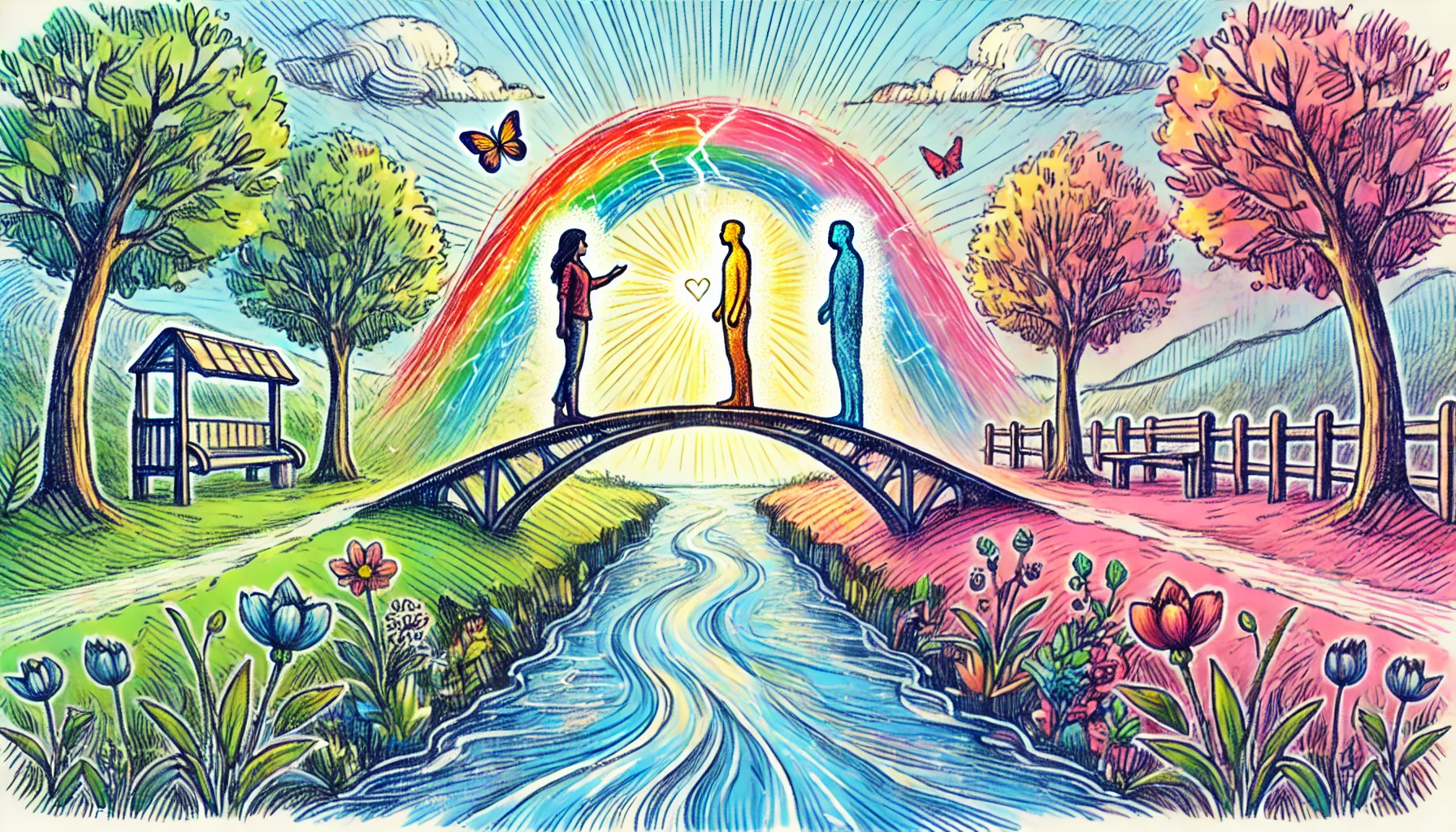
Personal growth is an integral part of life, shaping who we are and influencing the way we interact with the world around us. As we evolve, our values, priorities, and interests may shift, which can impact our relationships, especially friendships. Communicating these changes with friends can be challenging, as it requires honesty, vulnerability, and empathy. However, discussing personal growth with friends is crucial for maintaining healthy and authentic relationships. It helps to align expectations, prevent misunderstandings, and ensure that both parties continue to support each other’s journey.
When you grow, your relationships might need to grow with you. Some friends may easily adapt to these changes, while others may struggle to understand or accept them. The key to navigating this delicate process lies in clear and compassionate communication. By openly discussing how you’ve changed and how it affects your friendship, you can foster mutual understanding and respect. This blog will explore strategies for effectively communicating personal growth changes with friends, ensuring that your relationships remain strong and supportive as you evolve.
1. Self-Reflect Before the Conversation
- Before initiating a conversation about your personal growth, take time to reflect on the changes you’ve experienced. Understand what these changes mean for you and how they impact your life and relationships.
- Identify the specific aspects of your life that have shifted—whether it’s your values, priorities, lifestyle, or beliefs—and how these changes might affect your interactions with your friends.
- Consider your motivations for sharing this information. Are you seeking support, understanding, or simply informing your friend about where you are in life?
- Reflect on how your friend might perceive these changes and how they might impact your friendship. This can help you approach the conversation with empathy.
- Prepare to articulate your thoughts clearly and calmly. Being self-aware will help you communicate more effectively and avoid misunderstandings.
2. Choose the Right Time and Setting
- Timing is crucial when discussing personal growth. Choose a moment when both you and your friend are relaxed and open to conversation, free from distractions or time constraints.
- Opt for a private setting where you can talk openly without interruptions. This will help both parties feel comfortable and secure in sharing their thoughts.
- Avoid bringing up the topic during moments of conflict or stress, as emotions may run high and cloud the conversation.
- If possible, arrange a face-to-face meeting. In-person communication allows for better emotional connection and the ability to read non-verbal cues.
- Be patient and wait for the right moment, even if it means postponing the conversation until both of you are ready.
3. Be Honest and Transparent
- Honesty is the foundation of any meaningful conversation about personal growth. Clearly express how you’ve changed and why these changes are important to you.
- Avoid sugarcoating or downplaying your experiences. Transparency helps your friend understand your journey and the reasons behind your transformation.
- Share specific examples of how your values, priorities, or behaviors have shifted, and how this might affect your friendship.
- Acknowledge any potential challenges these changes may bring to the relationship, such as differing interests or lifestyle choices.
- Be open about your hopes for how the friendship can evolve in light of your personal growth. This sets the stage for a constructive dialogue.
4. Express Empathy and Understanding
- Recognize that your personal growth may be challenging for your friend to understand or accept, especially if it alters the dynamic of your relationship.
- Approach the conversation with empathy, acknowledging how your friend might feel about the changes you’re experiencing.
- Listen actively to your friend’s perspective, and validate their feelings, even if they differ from your own.
- Reassure your friend that your growth isn’t a rejection of the friendship, but rather an evolution that can benefit both of you.
- Encourage an open dialogue where both of you can share your thoughts and concerns, fostering mutual understanding.
5. Address Fears and Concerns
- Understand that your friend may have fears or concerns about how your personal growth will affect the friendship. These could range from fear of being left behind to concerns about losing the connection you once shared.
- Invite your friend to share these concerns openly, without judgment. Address them with patience and understanding.
- Clarify that your growth doesn’t mean you value the friendship any less, but that the relationship may need to adapt to your new circumstances.
- If your changes involve new priorities or boundaries, explain how you can still maintain a connection within these new parameters.
- Offer reassurance that, despite the changes, you still care deeply about the friendship and are committed to making it work.
6. Set New Expectations Together
- As personal growth can shift the dynamics of a friendship, it’s important to set new expectations that reflect your current realities.
- Discuss how your friendship might need to change in terms of communication, time spent together, or shared activities.
- Work together to find common ground that respects your growth while honoring the connection you’ve built over time.
- Be willing to compromise and adjust your expectations based on your friend’s needs as well. This ensures that both parties feel valued and understood.
- Establishing new expectations can prevent misunderstandings and help the friendship adapt in a healthy and sustainable way.
7. Respect Boundaries and Differences
- Personal growth often involves setting new boundaries that align with your values and priorities. Clearly communicate these boundaries to your friend, explaining why they are important to you.
- Respect that your friend may also have boundaries or may not fully align with your new path. Honor these differences without pressuring them to change.
- Understand that some friendships may naturally grow apart if the differences become too significant. This doesn’t diminish the value of the friendship but reflects your individual growth paths.
- Maintain a respectful attitude, recognizing that each person’s journey is unique, and it’s okay to have different paths.
- Encourage mutual respect for each other’s boundaries, fostering a relationship that is healthy and supportive despite the changes.
8. Be Prepared for Different Outcomes
- Not all conversations about personal growth will lead to the outcomes you hope for. Be prepared for various responses, from full support to discomfort or even distance.
- Accept that some friendships may not survive significant personal growth changes, and that’s okay. It’s part of the natural evolution of relationships.
- If the friendship becomes strained or ends, focus on the positive impact the relationship had on your life, and let go with grace.
- Be open to the possibility that the friendship may change forms, such as transitioning from a close bond to a more distant acquaintance.
- Regardless of the outcome, remember that prioritizing your personal growth is essential, and the right friendships will support and nurture that growth.
9. Foster Ongoing Communication
- Personal growth is an ongoing process, and so is the need to communicate about it with your friends. Keep the lines of communication open, especially as you continue to evolve.
- Regularly check in with your friend about how they’re feeling regarding the changes and how your friendship is adapting.
- Encourage your friend to share their own growth experiences, creating a mutual exchange that strengthens the relationship.
- Be transparent about any further changes that might affect your friendship, allowing both of you to adjust accordingly.
- Ongoing communication helps ensure that your friendship remains aligned with your personal growth, preventing future misunderstandings.
10. Embrace the Evolution of Your Friendship
- Accept that friendships, like people, are meant to evolve. Embrace the changes as part of the natural flow of life.
- Focus on how your friendship can grow alongside your personal development, creating a deeper and more meaningful connection.
- Celebrate the journey you’ve both been on, acknowledging the growth that has occurred individually and within the friendship.
- Understand that some friendships will deepen through this process, while others may take on a new form or fade away naturally.
- Embracing the evolution of your friendship allows you to honor the past while welcoming the future, regardless of the path it takes.
In conclusion, communicating personal growth changes with friends requires courage, honesty, and empathy. By approaching the conversation with openness and respect, you can navigate these changes in a way that strengthens your friendship or allows it to transition gracefully. Remember, growth is a natural part of life, and the right friendships will adapt and flourish alongside your personal journey.