
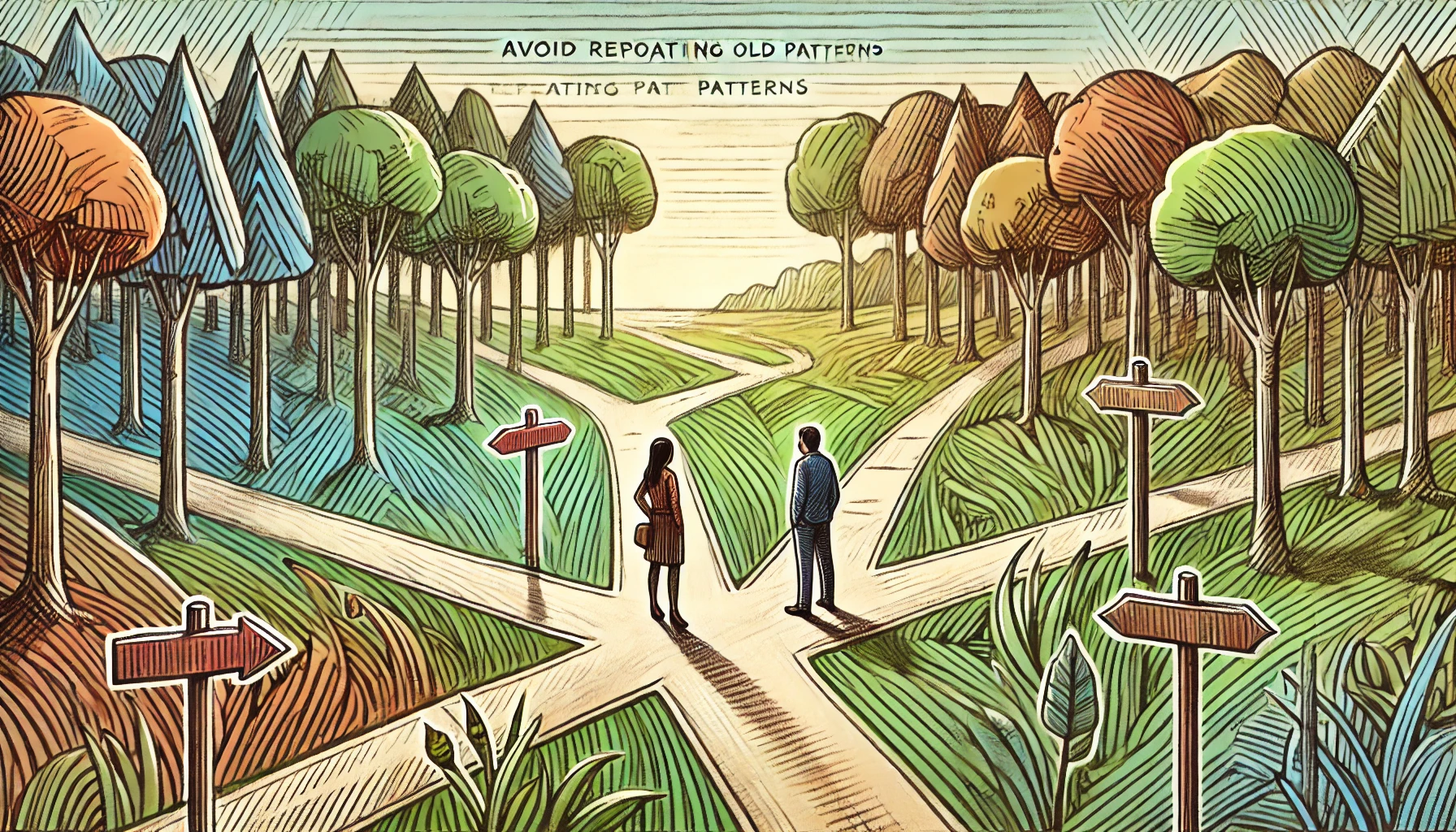
After a divorce, it’s natural to reflect on your past relationship and identify areas where things went wrong. One of the most important steps you can take as you move forward is to ensure that you don’t fall back into old patterns that may have contributed to the breakdown of your marriage. Avoiding these patterns requires self-awareness, intentionality, and a commitment to personal growth. By recognizing the behaviors and mindsets that no longer serve you, you can make conscious choices that lead to healthier, more fulfilling relationships in the future. This guide will explore strategies to help you avoid repeating old patterns after divorce, allowing you to create a new chapter that aligns with your values and aspirations.
Breaking free from old patterns involves understanding the dynamics of your past relationships, identifying the triggers that lead to unhelpful behaviors, and actively working to change those patterns. It’s a process that requires patience, self-compassion, and a willingness to learn from your experiences. This guide provides practical steps to help you recognize and avoid these patterns, empowering you to build a more positive and intentional future.
1. Reflect on Past Relationship Patterns
- Take time to reflect on your past relationship and identify the patterns that contributed to its challenges. Consider behaviors, communication styles, and recurring conflicts that may have played a role.
- Be honest with yourself about your role in these patterns. Acknowledge any behaviors or mindsets that may have been unhealthy or unhelpful.
- Journaling can be a helpful tool for this reflection process. Write down your thoughts and feelings about your past relationship and the patterns you want to change.
- Consider seeking feedback from trusted friends or a therapist who can offer an outside perspective on your past relationship patterns.
- Use this reflection as an opportunity for growth, focusing on what you can learn from your past experiences to create healthier relationships in the future.
2. Identify Your Triggers
- Recognize the specific situations, behaviors, or emotions that tend to trigger old patterns in your relationships. Understanding your triggers is key to managing them effectively.
- Pay attention to your emotional responses in different situations. For example, do you tend to withdraw when you feel criticized, or do you become defensive when you feel vulnerable?
- Consider how your past experiences, including childhood and previous relationships, may have shaped your triggers and responses.
- Once you’ve identified your triggers, develop strategies to manage them in a healthy way. This might include practicing mindfulness, taking a moment to breathe before reacting, or communicating your needs more clearly.
- Work with a therapist to explore your triggers in more depth and develop coping mechanisms that help you avoid falling back into old patterns.
3. Set Clear Boundaries
- Establish clear boundaries in your relationships, both with yourself and others. Boundaries help protect your emotional well-being and prevent old patterns from resurfacing.
- Communicate your boundaries openly and assertively, ensuring that your needs and limits are respected by others.
- Recognize the importance of setting boundaries in your new relationships, especially if you’ve struggled with overcommitting or neglecting your needs in the past.
- Practice saying no when necessary, and don’t feel guilty about prioritizing your well-being. Healthy boundaries are essential for maintaining balance and self-respect.
- Regularly reassess your boundaries to ensure they continue to serve your needs and align with your values.
4. Develop Healthier Communication Skills
- Focus on improving your communication skills, particularly in areas where you may have struggled in the past. Effective communication is key to avoiding misunderstandings and conflicts.
- Practice active listening, which involves fully focusing on the speaker, understanding their message, and responding thoughtfully. Active listening can prevent defensive or reactive communication patterns.
- Use “I” statements to express your feelings and needs without placing blame on others. For example, say “I feel hurt when…” instead of “You always…”.
- Avoid negative communication habits such as sarcasm, passive-aggressiveness, or stonewalling. These behaviors can reinforce old patterns and create distance in relationships.
- Consider taking a communication workshop or working with a therapist to develop more effective and compassionate communication skills.
5. Focus on Personal Growth
- Commit to ongoing personal growth and self-improvement. This might involve pursuing new interests, developing new skills, or working on areas of your life that need attention.
- Take responsibility for your own happiness and well-being, rather than relying on others to fulfill your needs. This independence can help you avoid codependent patterns in future relationships.
- Set goals that align with your values and aspirations, and work towards them with determination and focus. Personal growth can give you a sense of purpose and direction.
- Embrace opportunities for learning, whether through books, courses, therapy, or self-reflection. The more you understand yourself, the better equipped you’ll be to create positive change.
- Celebrate your progress and achievements, recognizing that personal growth is an ongoing journey rather than a destination.
6. Practice Self-Awareness
- Cultivate self-awareness by regularly checking in with yourself about your thoughts, feelings, and behaviors. Self-awareness is key to recognizing when old patterns are starting to resurface.
- Pay attention to your emotional responses in different situations. Notice when you start to feel triggered or when you’re reacting out of habit rather than intention.
- Use mindfulness practices, such as meditation or journaling, to stay present and connected to your inner experiences.
- Reflect on your actions and decisions, particularly in your relationships, to ensure they align with your values and goals.
- Be honest with yourself about your progress, and don’t be afraid to seek support if you notice old patterns reemerging.
7. Seek Professional Support
- Consider working with a therapist who specializes in relationship issues or divorce recovery. Professional support can provide valuable insights and guidance as you work to break old patterns.
- Therapy can help you explore the underlying causes of your behaviors and develop healthier ways of relating to others.
- Group therapy or support groups can offer a sense of community and shared experience, helping you feel less isolated as you work on changing old patterns.
- If you’re entering a new relationship, couples therapy can be a proactive way to address potential issues before they become ingrained patterns.
- Regularly attending therapy sessions can provide ongoing support and accountability as you navigate this process of change.
8. Stay Open to Feedback
- Be open to feedback from trusted friends, family members, or mentors who have your best interests at heart. They can offer valuable perspectives on your behaviors and relationships.
- Use feedback as an opportunity for growth, rather than viewing it as criticism. Constructive feedback can help you identify areas where you may need to make changes.
- Regularly check in with your loved ones about how they perceive your progress. Their observations can provide insights that you might not see on your own.
- Consider asking for feedback in specific areas where you’ve struggled in the past, such as communication, boundaries, or emotional responses.
- Reflect on the feedback you receive and take steps to implement any necessary changes in your behavior or mindset.
9. Embrace Forgiveness and Letting Go
- Practice self-forgiveness for past mistakes or unhealthy patterns. Holding onto guilt or regret can keep you stuck in old patterns.
- Work on letting go of any lingering resentment or anger towards your ex-spouse or others who may have hurt you. Holding onto these emotions can prevent you from moving forward.
- Focus on the lessons you’ve learned from your past relationship, rather than dwelling on the pain or mistakes. Use these lessons as a foundation for building healthier relationships in the future.
- Embrace forgiveness as a way to free yourself from the past and create space for new, positive experiences.
- Consider working with a therapist to explore any unresolved emotions and develop strategies for letting go.
10. Stay Committed to Your Growth
- Recognize that breaking old patterns is a long-term process that requires ongoing commitment and effort. Stay focused on your goals and continue working towards positive change.
- Regularly reassess your progress and make adjustments as needed. Personal growth is an evolving journey, and it’s important to stay adaptable and open to change.
- Celebrate your successes, no matter how small, and recognize the progress you’ve made. Each step forward is a victory in your journey towards healthier relationships.
- Stay connected to your support system, whether through therapy, friends, family, or support groups. They can provide encouragement and accountability as you continue your growth.
- Trust in your ability to create a new chapter in your life that is free from old patterns and full of positive possibilities.
Avoiding old patterns after divorce is essential for creating a healthy and fulfilling future. By reflecting on your past, identifying triggers, and committing to personal growth, you can break free from unhelpful behaviors and build relationships that align with your values and aspirations. Remember, this journey is about progress, not perfection. With self-awareness, intentionality, and support, you can create a life that reflects your true potential and sets the stage for positive, lasting change.