
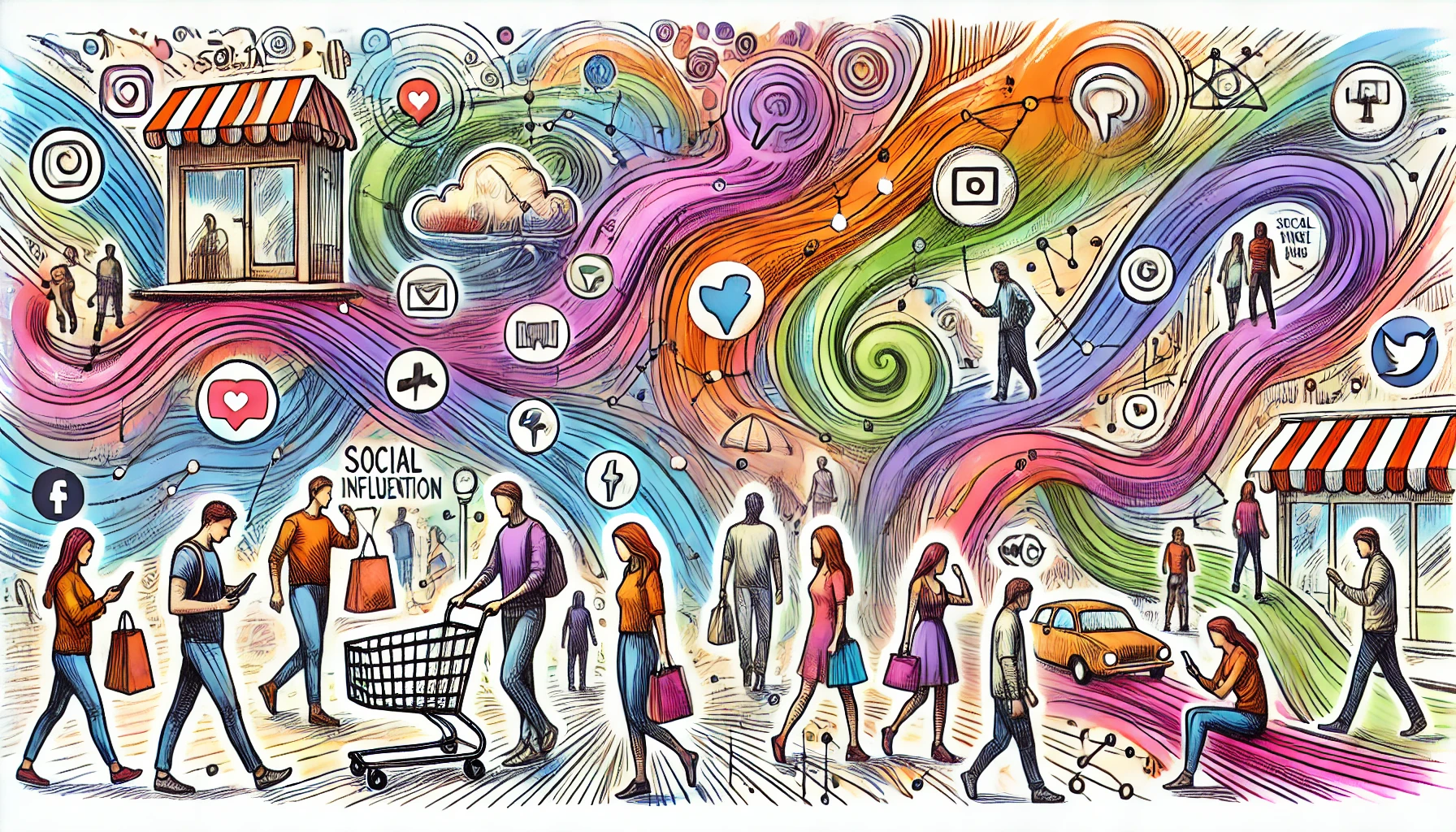
Social influence is a fundamental aspect of human behavior that affects the way individuals think, feel, and act on a daily basis. From the moment we wake up, we are surrounded by social cues that shape our decisions. Whether it’s choosing what to wear, deciding on what to eat, or forming opinions on current events, the behaviors and choices of those around us significantly influence our actions. Social influence works both consciously and subconsciously, driving us to align with group norms, follow authority, or simply mimic others in order to fit in.
In today’s interconnected world, the impact of social influence has become even more prominent. Social media platforms, advertising, and cultural trends all exert considerable pressure on individuals to conform to particular behaviors. Whether we realize it or not, we are constantly being nudged by external forces that shape our day-to-day activities. Understanding how social influence works is essential to making more deliberate decisions and resisting unwanted pressures. This blog explores the various ways in which social influence impacts everyday behavior, from subtle nudges to overt pressures, and how we can become more aware of its effects.
1. Social Influence in Consumer Choices
- Peer recommendations: People tend to rely on the opinions and recommendations of others when making purchase decisions, especially with new products or services.
- Reviews and ratings: Online platforms like Amazon, Yelp, and TripAdvisor leverage social proof by showing user ratings and reviews to guide consumer behavior.
- Sales and popularity: Products that are marketed as popular or bestsellers often attract more buyers, as individuals feel more confident in choosing what others have already validated.
- Group influence: Consumers are more likely to purchase items that align with their social group’s preferences to maintain a sense of belonging.
- Brand loyalty: Friends and family influence individuals’ brand preferences, leading to the establishment of brand loyalty over time.
2. The Role of Social Influence in Fashion
- Trends: Fashion trends are driven by influencers, celebrities, and peers, who shape what’s “in style” and prompt people to adopt similar looks.
- Clothing as identity: People often use clothing as a way to express group membership or individuality, influenced by the fashion choices of their social circles.
- Brand association: Wearing certain brands that are endorsed by friends or popular figures increases one’s social standing or sense of belonging.
- Fast fashion: Social media encourages quick adoption of trends, promoting a cycle of purchasing that keeps up with the latest styles, often influenced by what is perceived as socially desirable.
- Influencer culture: Social media influencers play a significant role in shaping fashion choices, as followers often emulate their styles.
3. Social Influence on Eating Habits
- Group dining: Eating behaviors are often influenced by the people one is with. Individuals may order similar items, eat more or less, or choose healthier or unhealthier options depending on the group dynamic.
- Diet trends: Popular diet trends, like veganism or keto, spread through social influence, with people adopting eating habits based on what others are doing or promoting.
- Restaurant choice: People frequently choose restaurants based on recommendations from friends or online reviews, trusting the collective opinions of others.
- Cultural influence: Eating habits are strongly shaped by cultural norms, which dictate what foods are considered acceptable or preferred in different settings.
- Portion control: Social influence can also affect portion sizes, as individuals may adjust how much they eat to match the behavior of those around them.
4. Social Influence in Workplace Behavior
- Conforming to corporate culture: Employees often modify their behavior to fit the norms of the workplace, whether it’s in terms of dress code, communication style, or work ethic.
- Leadership influence: Leaders set examples for others to follow, influencing workplace behavior by establishing what is acceptable and expected.
- Team dynamics: Peer pressure can play a significant role in decision-making processes in group settings, pushing individuals to align with the majority opinion.
- Work performance: Positive reinforcement from colleagues and managers can motivate employees to work harder, while negative social influence may contribute to disengagement.
- Workplace trends: From flexible work hours to remote working policies, trends within the industry can shape employee expectations and workplace norms.
5. Social Influence on Health and Fitness Choices
- Exercise trends: Popular fitness trends, like yoga, CrossFit, or spinning classes, gain traction through social influence, often shared through friends or social media.
- Gym memberships: People are more likely to join a gym or start a fitness regimen if their friends are also engaging in similar activities.
- Diet and lifestyle changes: Recommendations from friends, family, or online communities significantly impact people’s choices to start diets or adopt healthier lifestyles.
- Social accountability: Sharing fitness goals or progress with friends or followers on social media can encourage adherence to a workout plan due to social pressure to succeed.
- Health challenges: Group challenges, like “30-day fitness” or “no sugar” challenges, gain popularity through social influence and the desire to be part of a shared experience.
6. Social Influence in Entertainment Choices
- Movie recommendations: The opinions of friends and online reviews heavily influence what movies or TV shows people choose to watch.
- Streaming platforms: Platforms like Netflix use algorithms that suggest popular or trending content, leveraging social proof to drive viewership.
- Viral content: Content that goes viral on social media often gains more traction, as people feel the need to see what everyone else is talking about.
- Music trends: Streaming services like Spotify promote popular songs and artists, which drives listeners to explore trending music and adopt the same preferences as their peers.
- Shared experiences: Attending concerts, sports events, or festivals is often a social activity, and the choices to participate are influenced by the collective enthusiasm of a peer group.
7. Political Opinions and Social Influence
- Echo chambers: Social media often creates echo chambers, where individuals are exposed to views that reinforce their existing beliefs, making it difficult to entertain opposing opinions.
- Voting behavior: People are influenced by the political opinions of their friends, family, and even celebrities, impacting their voting decisions.
- Protests and movements: Social movements gain momentum when individuals feel pressured to support or oppose certain causes due to the overwhelming social support or condemnation surrounding them.
- News consumption: The choice of which news outlets to follow or trust is often influenced by social circles, which can shape one’s perspective on current events.
- Public opinion polls: Polls and surveys create a sense of majority opinion, which can influence how individuals feel about political issues or candidates.
8. Influence on Environmental Behavior
- Sustainable choices: People are more likely to adopt eco-friendly habits, such as recycling or reducing plastic use, when they see others in their community doing the same.
- Social norms around conservation: Behaviors such as conserving water, reducing waste, or using public transportation are influenced by societal expectations and cultural trends.
- Environmental movements: The rise of environmental activism, driven by social influence, encourages individuals to take part in climate protests or support green initiatives.
- Purchasing decisions: Social influence plays a role in the adoption of eco-friendly products, with individuals more likely to choose sustainable brands if they perceive them to be popular or endorsed by their peers.
- Community pressure: In communities with strong environmental values, individuals may feel pressured to conform to green behaviors to maintain social approval.
9. Social Influence on Relationship Dynamics
- Romantic expectations: Social norms influence how individuals approach dating, relationships, and marriage, shaping expectations around gender roles and relationship dynamics.
- Peer input on relationships: Friends and family often influence decisions in relationships, from offering advice on dating to opinions on whether a relationship is healthy or not.
- Social media portrayal: The way people present their relationships online can be influenced by societal pressure to display happiness and success, regardless of the actual dynamics.
- Marriage and family expectations: Cultural norms around marriage, children, and family life heavily influence personal decisions and timelines.
- Friendship dynamics: The behaviors of friend groups can influence how individuals maintain their friendships, including expectations around loyalty, communication, and support.
10. Social Influence in Education and Learning
- Peer pressure in academics: Students often feel pressured to meet the academic standards set by their peers, leading to either positive outcomes like increased studying or negative effects like burnout.
- Teacher influence: Teachers play a critical role in shaping students’ attitudes towards learning, often influencing their confidence and motivation.
- Group study: The effectiveness of group study sessions often comes from the collective motivation and accountability that social influence provides.
- Educational trends: Trends in education, such as online learning or certain learning methodologies, spread through social influence among both educators and students.
- Career choices: Students’ career aspirations are frequently shaped by the opinions and suggestions of peers, parents, and mentors.
In conclusion, social influence plays a pivotal role in shaping our everyday behaviors, from the products we buy to the relationships we maintain. By understanding the various ways in which others affect our decisions, we can become more mindful of the influences that guide our actions and make more intentional choices. Recognizing the power of social influence also enables individuals to take control of their lives, ensuring that their behaviors align with personal values rather than societal pressures.