
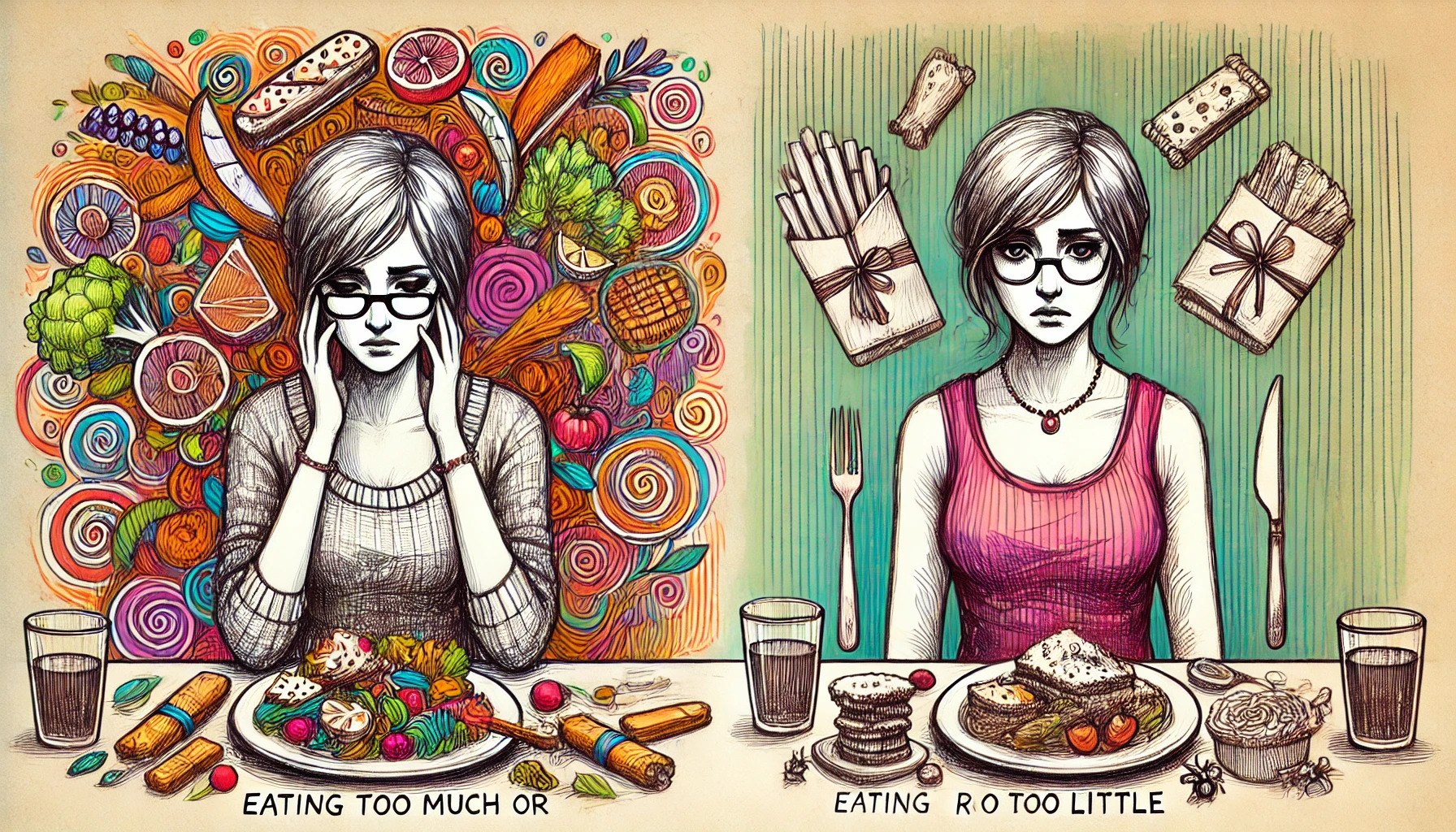
Depression is a complex mental health condition that not only impacts mood but also disrupts various physical functions, including appetite. Changes in eating habits are a common symptom of depression, with individuals experiencing either a significant increase or decrease in appetite. This imbalance can lead to overeating or undereating, both of which have serious consequences for physical health and emotional well-being. Understanding how depression affects appetite is essential for recognizing this symptom in yourself or others and taking steps to restore a healthy relationship with food.
Depression-related changes in appetite are often overlooked or misunderstood, as many people attribute their eating habits to stress, busy schedules, or lifestyle factors. However, when shifts in appetite are persistent and accompanied by other symptoms of depression, such as fatigue, sadness, or loss of interest, they may indicate a deeper issue. This blog will explore the various ways depression influences appetite, the effects of overeating and undereating, and strategies to manage these changes to promote both mental and physical health.
1. How Depression Causes Changes in Appetite
- Depression impacts the brain’s neurotransmitters, particularly serotonin and dopamine, which are responsible for regulating mood, hunger, and satisfaction.
- Low levels of serotonin can lead to cravings for carbohydrate-rich foods, as the body seeks out foods that provide temporary boosts in serotonin production.
- Dopamine deficiency, which affects the brain’s reward system, can diminish the pleasure associated with eating, leading to a lack of appetite or enjoyment in food.
- Depression also increases levels of the stress hormone cortisol, which can either stimulate hunger or suppress it, depending on the individual.
- Changes in appetite may also stem from emotional coping mechanisms, where food is used for comfort (emotional eating) or entirely avoided as depression worsens.
2. Overeating as a Response to Depression
- Emotional eating is a common reaction to depression, where individuals turn to food for comfort or relief from emotional distress.
- People may experience cravings for sugary, fatty, or high-carbohydrate foods, which provide temporary relief but lead to unhealthy eating patterns.
- Overeating can become a form of self-soothing, especially when dealing with feelings of sadness, loneliness, or frustration.
- This pattern of comfort eating often leads to weight gain, which can worsen feelings of guilt or shame, further exacerbating depressive symptoms.
- Binge eating is another behavior associated with depression, where individuals consume large quantities of food in a short period, often feeling out of control.
3. Undereating and Loss of Appetite
- On the other end of the spectrum, many individuals with depression experience a significant loss of appetite, where food becomes unappealing or even repulsive.
- Skipping meals or eating very little can occur, as the individual feels too tired or emotionally drained to prepare or eat food.
- The lack of pleasure in eating (anhedonia) may cause individuals to stop enjoying food, leading to undereating or even malnutrition.
- Weight loss is common among individuals who experience undereating as a symptom of depression, which can result in weakened immunity, fatigue, and other health problems.
- In severe cases, this loss of appetite may lead to unintentional starvation, where individuals consume dangerously low amounts of food, impacting overall physical health.
4. Emotional Eating and Depression
- Depression often triggers emotional eating, where individuals use food as a way to manage or suppress negative emotions such as sadness, anger, or anxiety.
- Carbohydrate-rich and sugary foods can provide temporary relief by boosting serotonin levels, but this short-term satisfaction often leads to feelings of guilt or regret.
- Emotional eating is typically followed by self-criticism, reinforcing the negative self-talk that is characteristic of depression.
- This cycle of using food for comfort, followed by guilt, can lead to unhealthy eating habits and contribute to long-term weight gain.
- Over time, emotional eating can worsen both physical and mental health, creating a cycle where depression drives unhealthy eating patterns and vice versa.
5. Physical and Emotional Consequences of Overeating
- The physical consequences of overeating in response to depression include weight gain, obesity, and associated health problems such as diabetes, high blood pressure, and heart disease.
- Overeating can also lead to digestive issues, such as bloating, indigestion, or discomfort, which can add to the overall sense of physical and emotional fatigue.
- Emotionally, overeating often results in feelings of shame, guilt, or self-blame, as individuals struggle to control their eating habits and manage their weight.
- The resulting body image concerns can deepen feelings of depression, leading to further isolation or withdrawal from social interactions.
- This negative self-perception often worsens the depression, reinforcing the cycle of overeating and emotional distress.
6. Physical and Emotional Consequences of Undereating
- Undereating can lead to significant weight loss, which may cause nutrient deficiencies, weakened immunity, and fatigue.
- Individuals who experience undereating may also suffer from muscle weakness, dizziness, and increased vulnerability to illness due to lack of proper nutrition.
- The emotional toll of undereating includes heightened irritability, difficulty concentrating, and an increased sense of despair or hopelessness.
- In severe cases, undereating can result in eating disorders, such as anorexia, which require specialized medical and psychological intervention.
- Just like overeating, undereating can create a self-reinforcing cycle, where the physical effects of malnutrition worsen depressive symptoms.
7. Why It’s Important to Address Appetite Changes in Depression
- Appetite changes in depression are often a red flag that the condition is worsening or not being adequately managed, making it critical to address them early.
- Left unchecked, changes in eating habits can lead to long-term health consequences, including chronic diseases, malnutrition, or eating disorders.
- Appetite disruptions can also serve as a barrier to recovery, as poor nutrition affects energy levels, mood regulation, and cognitive function, all of which are essential for overcoming depression.
- Recognizing and addressing these changes is crucial for developing a comprehensive treatment plan that includes both mental health care and nutritional support.
- Seeking professional help from a dietitian, therapist, or doctor can be instrumental in managing both the physical and emotional aspects of depression-related appetite changes.
8. Nutritional Impact on Mood and Depression
- Food plays a critical role in mood regulation, and certain nutrients are essential for maintaining mental health.
- Omega-3 fatty acids, found in fish, walnuts, and flaxseeds, are known to support brain health and may help improve mood.
- B vitamins, particularly B12 and folate, are essential for mood regulation, and deficiencies in these vitamins can worsen depression symptoms.
- Complex carbohydrates, such as whole grains and vegetables, support serotonin production and help stabilize blood sugar levels, which can reduce mood swings.
- Ensuring a balanced diet rich in vitamins, minerals, and healthy fats is crucial for managing both depression and appetite changes.
9. How to Manage Appetite Changes in Depression
- Managing appetite changes requires a holistic approach that addresses both the psychological and physical aspects of depression.
- Mindful eating practices, such as paying attention to hunger cues and emotional triggers, can help individuals regain control over their eating habits.
- Meal planning can be beneficial, especially for those who struggle with undereating, as it ensures that healthy, balanced meals are consumed regularly.
- For those dealing with overeating, portion control and choosing nutrient-dense foods can help manage cravings and emotional eating.
- Therapy, such as cognitive-behavioral therapy (CBT), can be effective in addressing the emotional triggers behind overeating or undereating, helping individuals develop healthier coping strategies.
10. When to Seek Professional Help
- If changes in appetite are persistent and significantly impacting your physical or emotional health, it’s important to seek professional help.
- Dietitians and nutritionists can provide guidance on how to develop a balanced eating plan that supports both mental and physical health.
- Therapists or counselors can help address the emotional aspects of depression, including how it affects your relationship with food.
- In some cases, medication adjustments may be needed if appetite changes are linked to the side effects of antidepressants or other treatments.
- Working with a healthcare team can ensure that both your depression and its impact on your appetite are addressed, leading to more effective and comprehensive recovery.
Conclusion
Depression’s impact on appetite can lead to either overeating or undereating, both of which can have serious consequences for physical and emotional health. Whether individuals find themselves eating too much or too little, these changes are often signs of deeper emotional distress that need to be addressed. By understanding how depression affects appetite, recognizing the signs, and seeking professional help, individuals can begin to regain control of their eating habits and improve both their mental and physical well-being.