
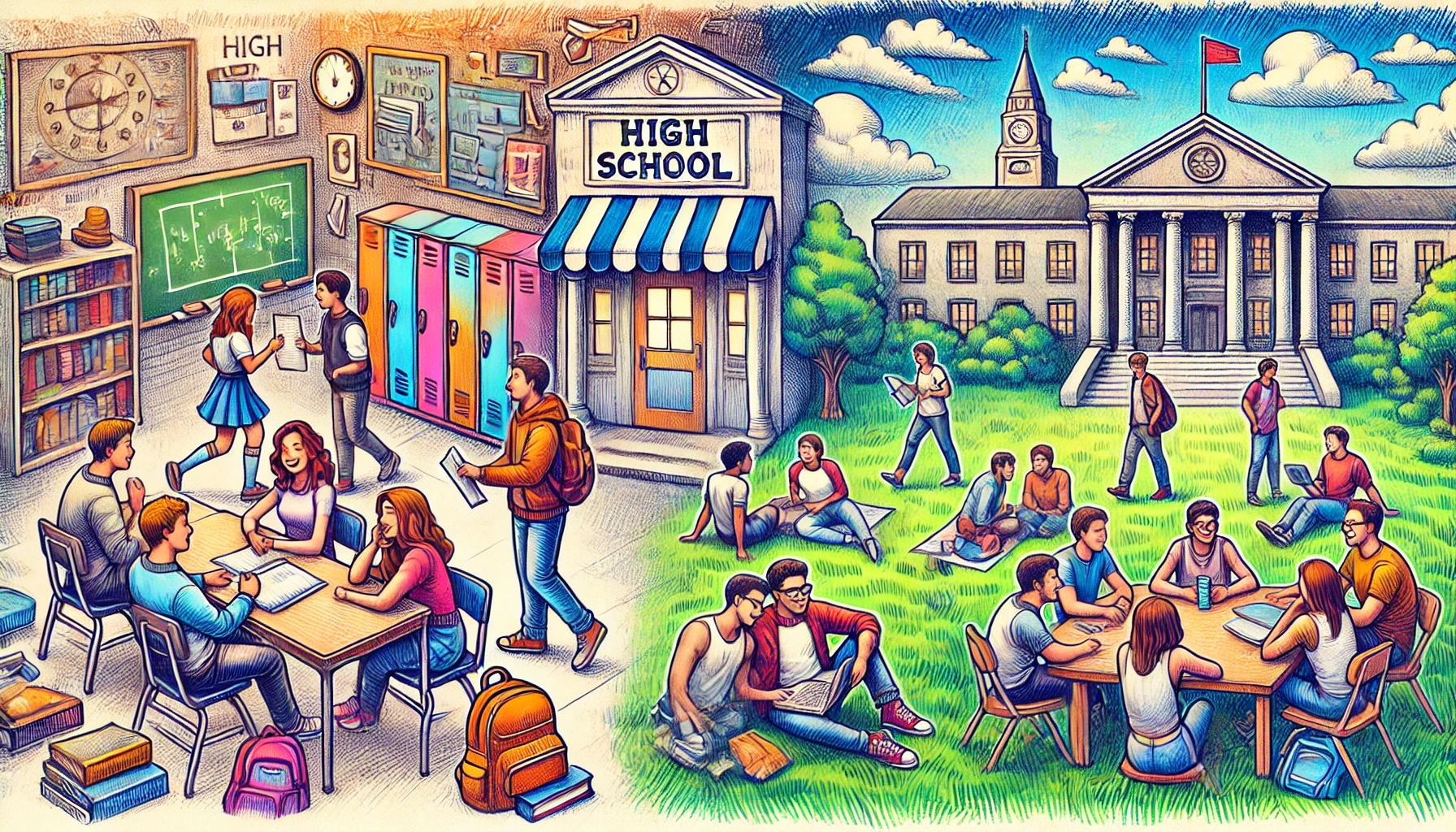
Friendships play a crucial role in our lives, providing support, companionship, and a sense of belonging. However, the nature of these relationships can change significantly as we transition from high school to college. High school friendships often revolve around shared classes and activities, while college friendships can be more diverse and independent, influenced by new environments and experiences. Understanding the differences between high school and college friendships can help you navigate these changes and foster meaningful connections in both stages of your life.
This guide explores the key differences between high school and college friendships, providing insights into how these relationships evolve and offering tips for maintaining and nurturing friendships through these transitions.
1. Formation and Development
- High School Friendships: Typically formed based on proximity and shared classes, high school friendships often begin early and develop over several years.
- College Friendships: These friendships form quickly due to a diverse array of social activities, clubs, and living arrangements, allowing for rapid bonding.
- Structured Environment: High school provides a more structured environment with consistent daily interactions, facilitating steady relationship growth.
- Varied Schedules: In college, varied schedules and activities require more effort to coordinate and maintain friendships.
- Shared Experiences: Both high school and college friendships are strengthened by shared experiences, but the nature of these experiences can differ significantly.
2. Social Circles and Diversity
- Homogeneous Groups: High school social circles are often more homogeneous, with friends coming from similar backgrounds and local communities.
- Diverse Connections: College introduces you to a more diverse group of people from various backgrounds, cultures, and regions.
- Inclusive Groups: College offers the opportunity to join diverse clubs and organizations, fostering inclusive friendships based on shared interests.
- Niche Interests: Friendships in college can form around niche interests, allowing you to connect with like-minded individuals.
- Global Exposure: College provides a broader exposure to global perspectives, enhancing your understanding and appreciation of different cultures.
3. Independence and Responsibility
- Dependent Relationships: High school friendships may involve a degree of dependence, with friends relying on each other for social and emotional support.
- Increased Independence: College friendships often reflect increased independence, as students manage their own schedules, responsibilities, and social lives.
- Self-Reliance: The transition to college fosters self-reliance, with students learning to balance academics, social activities, and personal well-being.
- Mature Interactions: College friendships tend to involve more mature interactions, with friends supporting each other through significant life changes.
- Personal Growth: Both high school and college friendships contribute to personal growth, but the nature of this growth evolves with increasing independence.
4. Communication Styles
- In-Person Interactions: High school friendships are heavily reliant on in-person interactions due to daily face-to-face contact.
- Digital Communication: College friendships often incorporate more digital communication, such as texting, social media, and video calls, to stay connected.
- Flexible Communication: College requires flexible communication methods to accommodate busy and varied schedules.
- Continuous Contact: High school friends often have continuous contact throughout the day, while college friends might have sporadic but meaningful interactions.
- Adaptable Communication: Adapting to different communication styles in college helps maintain connections despite physical distance and busy lifestyles.
5. Academic Pressures
- Shared Stress: High school friends often share similar academic pressures and support each other through exams, projects, and assignments.
- Varied Pressures: College students face varied academic pressures depending on their courses and majors, requiring friends to understand and support different challenges.
- Collaborative Learning: High school friendships often involve collaborative learning and group study sessions.
- Independent Study: College encourages more independent study, but friends can still collaborate through study groups and shared resources.
- Academic Balance: Balancing academic responsibilities with social life is crucial in both high school and college, but the strategies may differ.
6. Living Arrangements
- Family Homes: High school friends typically live with their families, and social interactions are often limited to school hours and planned outings.
- Dorm Life: College friends often live in dorms or shared apartments, providing more opportunities for spontaneous interactions and deepening relationships.
- Roommates: Living with roommates in college can significantly impact friendships, creating opportunities for close bonds or potential conflicts.
- Independence: The independence of living arrangements in college fosters a different dynamic in friendships compared to high school.
- Shared Spaces: Sharing living spaces in college requires effective communication and mutual respect to maintain healthy friendships.
7. Social Activities and Extracurriculars
- School-Sponsored Activities: High school friendships are often built around school-sponsored activities, clubs, and sports teams.
- Diverse Opportunities: College offers a wider range of extracurricular activities, from academic clubs to intramural sports and social organizations.
- Exploration: College provides opportunities to explore new interests and hobbies, fostering friendships with diverse groups.
- Event Planning: College students often take the initiative to plan social events, trips, and gatherings, enhancing social skills and connections.
- Leadership Roles: Both high school and college offer opportunities for leadership roles in clubs and organizations, shaping social dynamics and friendships.
8. Emotional Support
- Adolescent Challenges: High school friends provide support through adolescent challenges, such as navigating identity, peer pressure, and family issues.
- Adult Transitions: College friends support each other through significant life transitions, including moving away from home, academic stress, and career planning.
- Mental Health: Both high school and college friendships can play a critical role in supporting mental health, but the context and challenges may differ.
- Counseling Services: College often provides access to counseling and mental health services, which can support friends in managing emotional well-being.
- Mutual Understanding: Building mutual understanding and empathy is crucial for emotional support in both high school and college friendships.
9. Longevity and Change
- Long-Term Bonds: High school friendships often feel long-term due to the shared history and formative experiences.
- Transient Connections: College friendships can be more transient, with friends coming and going due to graduation, transfers, and varying commitments.
- Reconnection: High school friends may drift apart but often reconnect during breaks or after graduation.
- Adaptability: College friendships require adaptability to maintain connections despite physical distance and life changes.
- Life Stages: Friendships in both stages evolve with life stages, but college friendships may require more effort to sustain through transitions.
10. Personal Growth and Transformation
- Adolescent Growth: High school friendships support personal growth during critical adolescent years.
- Self-Discovery: College friendships foster self-discovery and personal transformation as students explore their identities and future paths.
- Supportive Networks: Both high school and college friendships create supportive networks that encourage growth and resilience.
- Life Lessons: Friendships in both stages teach valuable life lessons about trust, loyalty, conflict resolution, and empathy.
- Evolution: Understanding that friendships evolve and change is key to maintaining healthy relationships through high school and college.
Conclusion
Friendships in high school and college each have their unique dynamics and challenges. High school friendships are often rooted in shared experiences, structured environments, and close-knit social circles, while college friendships are characterized by increased independence, diversity, and a broader range of activities. Both stages offer valuable opportunities for personal growth, emotional support, and meaningful connections. By understanding the differences and adapting to the changes, you can nurture and maintain strong friendships that enrich your life in both high school and college.