
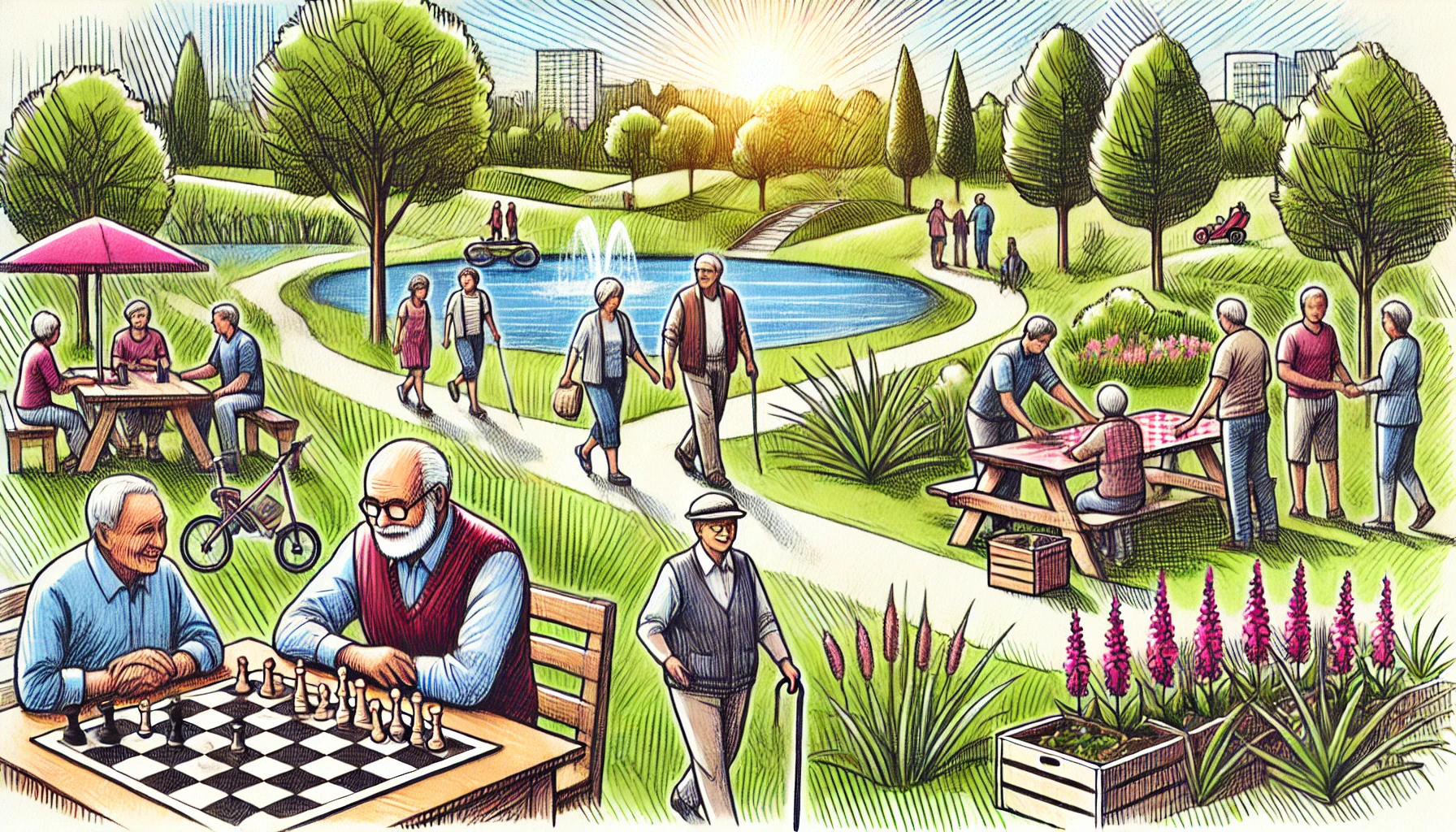
Retirement marks a significant transition in life, often bringing about major changes in daily routines, social circles, and personal identity. One of the key aspects that can profoundly impact the quality of life during retirement is the dynamics of friendships. Understanding and navigating these dynamics can lead to a more fulfilling and enjoyable retirement. This blog explores ten key aspects of friendship dynamics in retirement, providing practical advice and insights to help you cultivate and maintain meaningful relationships during this phase of life.
Retirement offers a unique opportunity to re-evaluate and enrich your social life. Whether it’s rekindling old friendships, forming new connections, or deepening existing bonds, understanding the nuances of friendship dynamics can significantly enhance your retirement experience.
1. Reconnecting with Old Friends
- Retirement provides the perfect opportunity to reconnect with friends from different stages of your life. Reach out to former colleagues, school friends, and neighbors.
- Social media platforms can be a valuable tool for finding and reconnecting with old friends, making it easier to rekindle past relationships.
- Organize reunions or small gatherings to catch up and reminisce about shared experiences.
- Share your retirement plans and interests to discover common grounds that can rejuvenate your friendship.
- Be open to rediscovering these friendships with a fresh perspective, acknowledging how both of you have grown over the years.
2. Building New Friendships
- Joining clubs, groups, or organizations that align with your interests is an excellent way to meet new people. Common activities can foster natural bonds.
- Attend community events, such as local festivals, fairs, or public lectures, to expand your social network.
- Volunteer for causes you care about. Volunteering not only contributes to the community but also connects you with like-minded individuals.
- Take classes or workshops to learn new skills and meet people with similar passions.
- Engage in social activities at retirement communities or senior centers, which often have programs designed to encourage social interaction.
3. Navigating Changing Dynamics with Long-Term Friends
- Understand that retirement can change the dynamics of long-term friendships. Be open to these changes and communicate effectively.
- Some friends may still be working or have different retirement plans. Respect each other’s schedules and find common times to connect.
- Explore new activities or interests together to keep the friendship dynamic and exciting.
- Be patient and understanding as you both adjust to this new phase of life.
- Maintain regular contact through phone calls, video chats, or in-person visits to keep the connection strong.
4. Embracing Technology for Social Connections
- Use social media platforms, such as Facebook, Instagram, or LinkedIn, to stay in touch with friends and family.
- Utilize video calling apps like Zoom, Skype, or FaceTime to maintain face-to-face interactions, especially with distant friends.
- Join online communities and forums that cater to your interests. These platforms can provide a sense of belonging and connection.
- Participate in online classes or virtual events to meet new people and engage in shared activities.
- Explore apps designed to help retirees connect and socialize, such as Stitch or Senior Meetup.
5. Maintaining Family Connections
- Strengthen your relationships with family members by spending quality time together and participating in shared activities.
- Plan regular family gatherings, whether it’s for holidays, birthdays, or casual get-togethers.
- Take on the role of family historian by organizing and sharing family stories, photos, and memories.
- Offer support and guidance to younger family members, which can deepen your bond and create meaningful interactions.
- Encourage open communication and be an active listener to foster trust and understanding within the family.
6. Volunteering and Giving Back
- Find local volunteer opportunities that match your interests and skills. This can help you stay active and engaged while making a positive impact.
- Volunteer at schools, hospitals, or non-profit organizations where your experience and wisdom can be valuable.
- Mentor younger individuals or offer your expertise to community projects or organizations.
- Participate in group volunteering events to meet new people and build friendships through shared goals.
- Volunteering can provide a sense of purpose and fulfillment, enriching your retirement experience.
7. Participating in Group Activities
- Join hobby groups, such as gardening, painting, or book clubs, to connect with others who share your interests.
- Participate in fitness classes or sports leagues designed for seniors to stay active and socialize.
- Attend cultural events, such as concerts, theater performances, or art exhibitions, to enjoy shared experiences with others.
- Explore travel groups or organized trips for retirees to discover new places and make friends along the way.
- Group activities provide structured opportunities to meet new people and form connections.
8. Developing Intergenerational Friendships
- Build relationships with people of different ages to gain diverse perspectives and experiences.
- Mentor younger individuals through volunteer work, community involvement, or formal programs.
- Join intergenerational programs that bring together different age groups for shared activities and learning experiences.
- Engage with younger family members, such as grandchildren, by participating in their activities and showing interest in their lives.
- Intergenerational friendships can be enriching and provide mutual benefits across age groups.
9. Fostering Emotional Well-being
- Cultivate friendships that provide emotional support and understanding. These connections can help you navigate the ups and downs of retirement.
- Practice active listening and empathy in your interactions, fostering deeper and more meaningful connections.
- Be open about your own experiences and challenges, which can encourage your friends to do the same.
- Participate in support groups or counseling sessions if needed to address specific emotional needs.
- Strong friendships can significantly enhance your overall emotional well-being and life satisfaction.
10. Embracing Flexibility and Adaptability
- Be open to change and new experiences, as retirement often brings unexpected opportunities and challenges.
- Adapt to the evolving dynamics of your friendships, understanding that interests and availability may change over time.
- Stay curious and willing to explore new activities, hobbies, and social circles.
- Embrace the freedom that comes with retirement to try new things and meet new people.
- Flexibility and adaptability can help you maintain vibrant and fulfilling friendships throughout retirement.
Conclusion
Friendship dynamics in retirement are a crucial aspect of enjoying this new phase of life. By reconnecting with old friends, building new friendships, and embracing technology, you can create a rich and varied social network. Participating in group activities, volunteering, and fostering intergenerational relationships can further enhance your social life. It’s essential to maintain family connections, prioritize emotional well-being, and stay flexible and adaptable to fully embrace the opportunities that retirement offers.
Retirement is not just an end, but a new beginning filled with possibilities for personal growth and meaningful connections. By understanding and navigating the dynamics of friendships during this time, you can ensure a fulfilling and joyous retirement.