
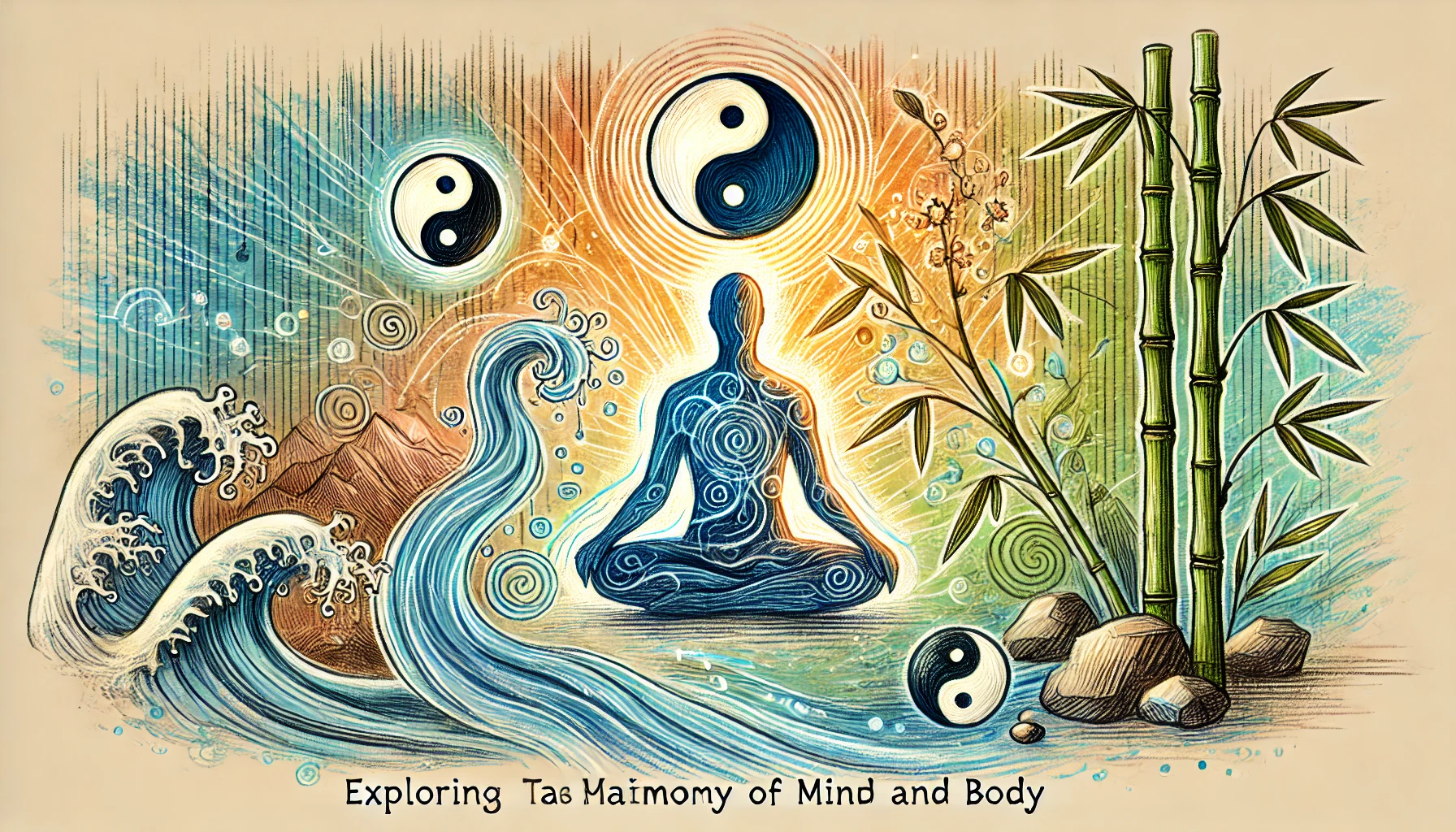
Taoist meditation is an ancient practice rooted in the philosophy of Taoism, a tradition that emphasizes living in harmony with the natural flow of the universe, or the Tao. Unlike other forms of meditation that may focus solely on mindfulness or mental clarity, Taoist meditation encompasses both the mind and body, aiming to cultivate a deep balance and alignment with the flow of life. This practice draws upon the principles of stillness, breath regulation, and energy cultivation to harmonize the internal energies and promote physical, emotional, and spiritual well-being.
Through Taoist meditation, practitioners seek to align themselves with the natural rhythms of the Tao, experiencing greater peace, vitality, and a profound sense of unity with nature. This blog will explore the core principles of Taoist meditation, how it differs from other meditation practices, and the benefits it offers for creating harmony between mind and body.
1. What Is Taoist Meditation?
- Definition: Taoist meditation is a form of internal alchemy that seeks to harmonize the mind, body, and spirit by cultivating and balancing Qi (life energy). The practice involves a combination of stillness, breathing exercises, and visualization techniques to circulate and strengthen Qi within the body.
- How It Works: Practitioners use techniques such as abdominal breathing, stilling the mind, and energy movement (often referred to as “microcosmic orbit” meditation) to activate and regulate the flow of Qi. This energy is believed to nourish the body’s vital organs, enhance emotional balance, and promote longevity.
- Philosophical Basis: Rooted in Taoism, which emphasizes living in harmony with the natural world and embracing the flow of life, Taoist meditation encourages practitioners to connect with their inner selves while aligning with the Tao, the fundamental essence of the universe.
2. The Core Principles of Taoist Meditation
- Cultivating Stillness: One of the fundamental principles of Taoist meditation is achieving a state of inner stillness. By quieting the mind and reducing mental chatter, practitioners create space for deeper awareness of their internal energy, or Qi. This stillness allows for the natural flow of energy, creating balance and clarity.
- Balancing Yin and Yang: Taoist meditation is based on the balance of Yin and Yang, the complementary forces of nature. Practitioners seek to harmonize these dual forces within themselves, recognizing that both are essential for health and well-being. Meditation practices help restore equilibrium between Yin (receptive energy) and Yang (active energy).
- Qi Circulation: Central to Taoist meditation is the practice of circulating Qi through the body’s meridian pathways, particularly through techniques like the microcosmic orbit. This involves guiding energy through specific energy centers to cleanse, strengthen, and balance the internal flow of life force.
- Natural Alignment: Taoist meditation aligns practitioners with the Tao, the natural order of the universe. Through deep breathing, energy circulation, and stillness, individuals cultivate a sense of harmony with the natural world, enhancing both physical health and spiritual insight.
3. Key Benefits of Taoist Meditation
1. Harmonizes the Mind and Body
- Taoist meditation is designed to create harmony between the mind and body by balancing the flow of Qi. As practitioners regulate their breath and direct their focus inward, they develop a stronger connection between their mental and physical states.
- This practice enhances mind-body awareness, allowing you to sense where tension, stress, or blockages may exist in the body and gradually release them.
2. Enhances Energy and Vitality
- Regular practice of Taoist meditation increases the circulation of Qi, promoting greater vitality and energy throughout the body. The flow of energy nourishes the internal organs, improves bodily functions, and leads to better physical health.
- By circulating energy, particularly through practices like the microcosmic orbit, Taoist meditation helps remove energy blockages, resulting in a more vibrant and balanced energy flow.
3. Reduces Stress and Calms the Mind
- Taoist meditation helps reduce stress by calming the mind and promoting a sense of inner stillness. Focusing on the breath and gently guiding the mind away from distractions helps relax the nervous system, reducing anxiety and creating a feeling of tranquility.
- The meditative focus on Qi circulation and natural energy flow soothes the nervous system, allowing you to return to a calm, centered state.
4. Promotes Emotional Balance
- Through the practice of Taoist meditation, practitioners develop greater awareness of their emotions and how they affect their overall energy. By cultivating a deeper connection with their Qi, individuals can regulate emotional fluctuations and maintain emotional equilibrium.
- Taoist meditation fosters emotional resilience, helping practitioners recognize negative emotions like anger or fear and transform them into more positive, harmonious states.
5. Supports Longevity and Health
- Taoist meditation is often referred to as a practice for longevity due to its focus on balancing and strengthening the body’s internal energy systems. By nourishing the organs and maintaining a smooth flow of Qi, this practice is believed to enhance physical health and increase lifespan.
- The practice also supports the body’s natural healing abilities by reducing stress, improving circulation, and maintaining energy balance, all of which contribute to long-term health.
4. Key Taoist Meditation Techniques
1. Abdominal Breathing (Diaphragmatic Breathing)
- Overview: Abdominal breathing is one of the foundational techniques in Taoist meditation. It involves breathing deeply into the lower abdomen (the dantian, or energy center), allowing the breath to expand the belly rather than the chest.
- How to Practice: Sit or lie comfortably and place your hands on your abdomen. Inhale deeply through your nose, allowing your abdomen to rise as you breathe in, and exhale slowly through your mouth, feeling your belly fall. Focus on creating a gentle, rhythmic breath, bringing awareness to the movement of Qi with each inhalation and exhalation.
- Benefits: Abdominal breathing promotes relaxation, reduces stress, and enhances the flow of Qi throughout the body.
2. Microcosmic Orbit Meditation
- Overview: The microcosmic orbit is a Taoist energy practice that involves circulating Qi along a specific energy pathway in the body. The energy is directed through the governing meridian, which runs along the back of the body, and the conception meridian, which runs along the front.
- How to Practice: Sit comfortably and begin with abdominal breathing. Visualize your Qi as a glowing light moving up from your lower dantian (below your navel), traveling up your spine (governing meridian) and over your head, then descending down the front of your body (conception meridian) back to your dantian. As you circulate this energy, focus on the sensations in each area it passes through.
- Benefits: This practice promotes energy balance, clears blockages in the meridians, and strengthens the body’s internal energy flow.
3. Inner Smile Meditation
- Overview: Inner Smile Meditation is a Taoist technique that involves smiling inwardly to each part of the body, sending positive energy and appreciation to the organs, and fostering emotional balance.
- How to Practice: Sit in a comfortable position, close your eyes, and take a few deep breaths. Visualize yourself smiling softly and send that smile inward to your heart. Gradually move your smile to other parts of your body, including your lungs, liver, kidneys, and other organs. Allow the feeling of warmth and gratitude to fill each area.
- Benefits: Inner Smile Meditation promotes self-compassion, reduces emotional tension, and encourages a sense of gratitude and well-being.
4. Zhan Zhuang (Standing Meditation)
- Overview: Zhan Zhuang, also known as standing like a tree, is a Taoist meditation that involves standing still in a relaxed but structured posture to cultivate inner strength and balance.
- How to Practice: Stand with your feet shoulder-width apart, knees slightly bent, and arms gently raised in front of you as if holding a ball. Keep your spine straight and your body relaxed. Focus on your breathing and allow your weight to settle evenly through your feet. Remain still and cultivate a sense of rootedness and inner strength.
- Benefits: Zhan Zhuang strengthens the body’s energy reserves, promotes grounding, and enhances the mind-body connection.
5. How to Practice Taoist Meditation: A Step-by-Step Guide
1. Find a Quiet Space
- Choose a peaceful environment where you won’t be disturbed. Whether indoors or in nature, the space should feel calm and inviting, allowing you to focus fully on your practice.
2. Begin with Abdominal Breathing
- Start by sitting or lying down comfortably. Place your hands on your abdomen and take a few deep, slow breaths. Focus on allowing your belly to rise as you inhale and fall as you exhale, relaxing your body and calming your mind.
3. Visualize Your Qi
- Once you’re relaxed, begin to visualize your Qi as a soft, glowing light in your lower abdomen (dantian). Imagine this light spreading gently throughout your body, bringing warmth and relaxation to each area it touches.
4. Practice the Microcosmic Orbit
- Gradually guide your Qi through the microcosmic orbit, visualizing it moving up your spine, over your head, and down the front of your body. Focus on the sensations as the energy flows, allowing your breath to guide its movement.
5. End with Stillness
- After circulating your Qi, return to abdominal breathing and allow yourself to rest in a state of stillness. Focus on the feeling of balance and harmony within your body, staying present with your breath and the sensations of peace.
6. Tips for Success in Taoist Meditation
- Consistency: Practice Taoist meditation regularly to experience its full benefits. Even just a few minutes a day can create a deeper sense of balance and harmony.
- Stay Patient: Cultivating Qi and developing mind-body harmony takes time. Be patient with yourself as you learn to connect with your internal energy and refine your practice.
- Combine with Movement: Taoist meditation can be complemented with Tai Chi or Qigong, both of which use movement to cultivate and circulate Qi. These practices deepen your connection to the energy flow and enhance your meditation experience.
Conclusion: Why Taoist Meditation Matters
Taoist meditation offers a holistic approach to achieving harmony between the mind and body by cultivating the flow of Qi, balancing emotions, and promoting physical vitality. Through techniques such as abdominal breathing, the microcosmic orbit, and inner smile meditation, practitioners can achieve deep relaxation, emotional balance, and spiritual alignment with the Tao. Whether you’re seeking better health, emotional resilience, or spiritual insight, Taoist meditation provides a powerful path to achieving harmony with yourself and the natural world. By incorporating these ancient practices into your daily life, you can experience a greater sense of balance, peace, and well-being.