
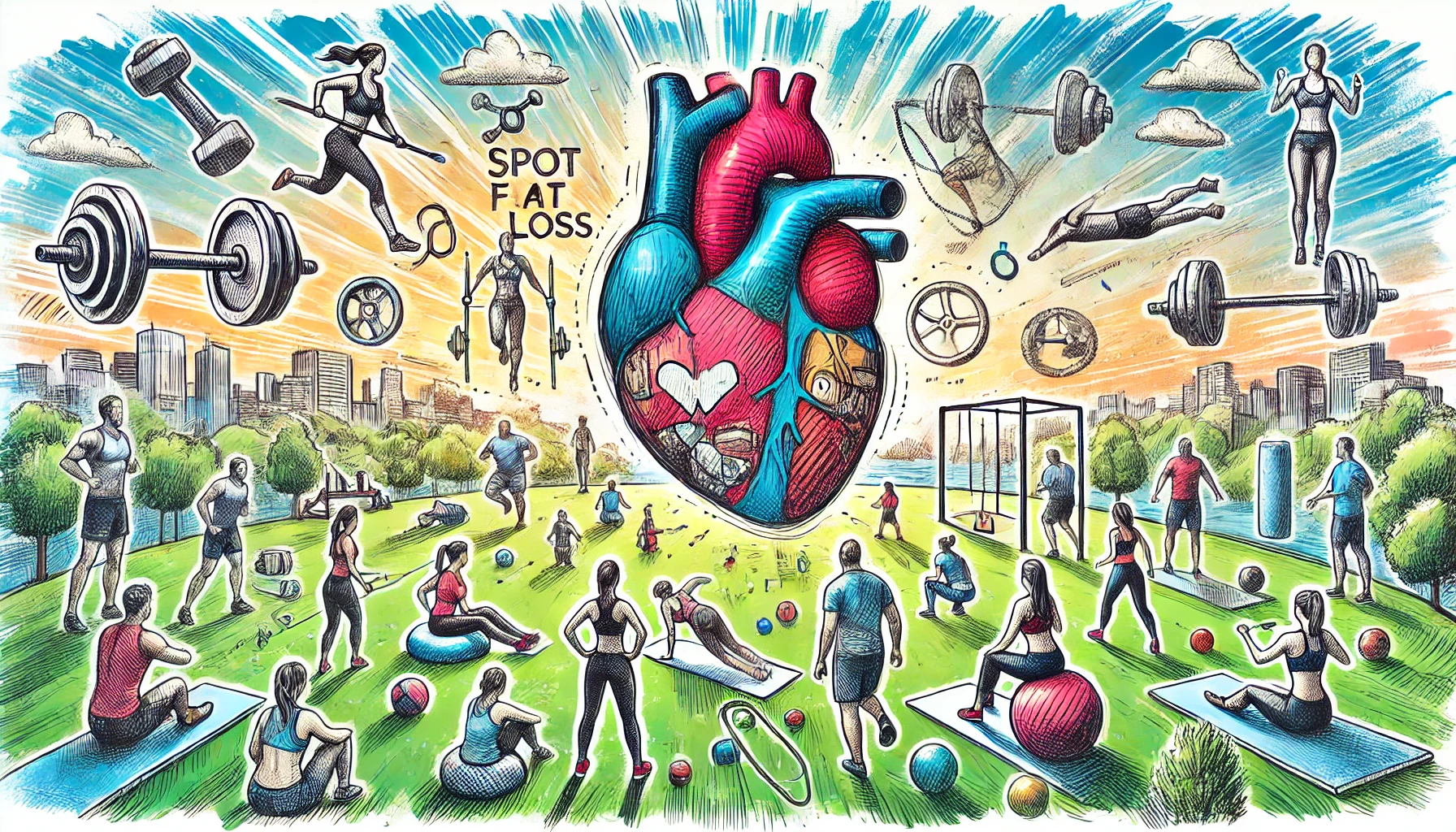
The concept of spot reduction, the idea that you can lose fat from a specific area of your body by targeting it with specific exercises, is a pervasive myth in the fitness industry. Many people believe that performing exercises like crunches or leg lifts will help them shed fat from their abdomen or thighs, respectively. This misconception has led to countless hours spent on targeted workouts in hopes of achieving a toned physique in specific areas. However, the truth about fat loss is that it’s a more complex, systemic process influenced by a variety of factors, including genetics, diet, and overall physical activity.
Understanding the science behind fat loss is crucial for setting realistic fitness goals and avoiding frustration. Spot reduction is not only ineffective but also distracts from the broader, more effective strategies for achieving overall fat loss and a healthier body composition. In this blog, we will explore why spot reduction is a myth, explain the mechanisms of fat loss, and offer practical advice on how to achieve your fitness goals through comprehensive and balanced approaches.
1. The Science Behind Fat Loss
- Systemic Process: Fat loss occurs throughout the entire body, not just in one specific area. When you burn more calories than you consume, your body taps into fat stores for energy, leading to overall fat reduction.
- Fat Cells and Energy: Fat cells store energy in the form of triglycerides. When you exercise or have a caloric deficit, these triglycerides are broken down and used as fuel, reducing the size of fat cells.
- Hormonal Influence: Hormones play a significant role in fat distribution and loss. For instance, cortisol can influence fat storage in the abdominal area.
- Genetic Factors: Genetics determine where your body stores fat and in what proportions you lose it. Some people may lose fat from their face first, while others might notice it from their midsection.
- No Targeted Burn: You cannot selectively burn fat from specific areas; it’s a whole-body process driven by energy expenditure.
2. Misconceptions About Targeted Exercises
- Localized Fat Loss Fallacy: Exercises like crunches or leg lifts strengthen and tone muscles in specific areas but do not burn the fat overlaying those muscles.
- Muscle vs. Fat: Strengthening exercises increase muscle mass, which can enhance muscle definition as overall body fat decreases. However, they do not directly reduce fat in the targeted area.
- Visible Abs Myth: Having visible abs requires a low overall body fat percentage, not just strong abdominal muscles.
- Reality Check: Focusing solely on targeted exercises can lead to frustration if the expected fat loss in specific areas does not occur.
- Comprehensive Approach: A balanced workout regimen that includes cardio, strength training, and flexibility exercises is more effective for overall fat loss and fitness.
3. The Role of Cardio in Fat Loss
- Caloric Burn: Cardiovascular exercise increases your heart rate and burns calories, contributing to a caloric deficit necessary for fat loss.
- Types of Cardio: Activities like running, cycling, swimming, and brisk walking can effectively burn calories and support overall fat loss.
- HIIT Benefits: High-Intensity Interval Training (HIIT) is particularly effective for burning calories in a short amount of time and can continue to burn calories post-exercise.
- Sustainable Routine: Incorporating cardio exercises that you enjoy can help maintain consistency and long-term adherence.
- Metabolic Boost: Regular cardio can boost metabolism and improve cardiovascular health, enhancing overall physical fitness.
4. The Importance of Strength Training
- Muscle Building: Strength training increases muscle mass, which can boost your metabolism as muscle tissue burns more calories than fat tissue, even at rest.
- Body Composition: Developing muscle can improve body composition, making you appear leaner even if your weight remains the same.
- Functional Fitness: Strength training enhances overall functional fitness, improving daily life activities and reducing injury risk.
- Variety: Incorporating exercises targeting different muscle groups ensures a balanced physique and prevents muscle imbalances.
- Progressive Overload: Gradually increasing the weight, intensity, or volume of exercises promotes muscle growth and adaptation.
5. The Role of Diet in Fat Loss
- Caloric Deficit: To lose fat, you must consume fewer calories than your body burns. This can be achieved by reducing caloric intake, increasing physical activity, or a combination of both.
- Nutrient Density: Focus on nutrient-dense foods, such as vegetables, lean proteins, whole grains, and healthy fats, to provide essential nutrients while maintaining a caloric deficit.
- Balanced Nutrition: Avoid extreme diets and instead aim for a balanced intake of macronutrients (carbohydrates, proteins, fats) and micronutrients (vitamins, minerals).
- Hydration: Staying hydrated supports metabolic processes and can help control hunger.
- Mindful Eating: Pay attention to portion sizes and eat mindfully to avoid overeating and promote a healthy relationship with food.
6. The Role of Genetics in Fat Distribution
- Genetic Predisposition: Genetics play a significant role in determining where your body stores fat and how easily you lose it from specific areas.
- Body Types: Different body types, such as apple-shaped or pear-shaped, indicate genetic predispositions for fat distribution.
- Individual Variability: Recognize that everyone loses fat differently, and it may not be possible to achieve a desired look through diet and exercise alone.
- Acceptance: Understanding and accepting your genetic limitations can help set realistic goals and expectations.
- Focus on Health: Prioritize overall health and well-being over achieving a specific physical appearance.
7. The Psychological Aspect of Spot Reduction
- Unrealistic Expectations: Believing in spot reduction can lead to unrealistic expectations and disappointment when targeted fat loss doesn’t occur.
- Body Image: Unrealistic goals can negatively impact body image and self-esteem, leading to unhealthy behaviors.
- Media Influence: The portrayal of spot reduction and quick-fix solutions in media can create false hopes and misinform the public.
- Sustainable Goals: Setting achievable, health-focused goals can promote a positive mindset and long-term success.
- Mental Health: Maintaining a balanced perspective on fitness and body image is crucial for mental well-being.
8. The Benefits of a Holistic Fitness Approach
- Balanced Workouts: A combination of cardio, strength training, and flexibility exercises promotes overall fitness and well-being.
- Comprehensive Health: Focus on improving cardiovascular health, muscular strength, flexibility, and mental well-being rather than targeting fat loss in specific areas.
- Functional Strength: Enhancing functional strength and endurance improves daily life activities and overall quality of life.
- Consistency and Variety: Consistency in a varied workout routine prevents boredom and promotes long-term adherence.
- Overall Wellness: A holistic approach prioritizes physical, mental, and emotional health, leading to a more fulfilling fitness journey.
9. Understanding Body Composition Changes
- Muscle Gain vs. Fat Loss: It’s possible to gain muscle and lose fat simultaneously, even if the scale doesn’t show significant weight loss.
- Non-Scale Victories: Focus on non-scale victories, such as increased strength, improved endurance, better sleep, and enhanced mood.
- Visual Changes: Monitor visual changes in body composition, such as muscle definition and clothing fit, rather than solely relying on the scale.
- Patience and Persistence: Changes in body composition take time and consistency. Patience is key to long-term success.
- Progress Tracking: Use measurements, progress photos, and fitness milestones to track your journey.
10. Practical Tips for Effective Fat Loss
- Consistent Routine: Establish a consistent workout routine that includes both cardio and strength training exercises.
- Smart Nutrition: Focus on a balanced, nutrient-dense diet that supports your energy needs and fitness goals.
- Adequate Rest: Prioritize sleep and recovery to allow your body to repair and grow stronger.
- Hydration: Drink plenty of water throughout the day to support metabolic processes and overall health.
- Positive Mindset: Maintain a positive and realistic mindset, focusing on overall health and well-being rather than specific physical changes.
Conclusion
The myth of spot reduction has been debunked by scientific research, yet it continues to persist in popular fitness culture. Understanding that fat loss is a systemic process, influenced by a combination of factors including genetics, diet, and overall activity level, is essential for achieving realistic and sustainable results. Rather than focusing on targeted exercises to lose fat in specific areas, a holistic approach that includes a balanced diet, a variety of exercise types, and a positive mindset is far more effective.
By setting realistic goals, focusing on overall health, and embracing the natural variations in how our bodies respond to exercise and diet, we can achieve better physical and mental well-being. Remember, the journey to fitness and health is unique for everyone, and patience, consistency, and a comprehensive approach are key to long-term success.