
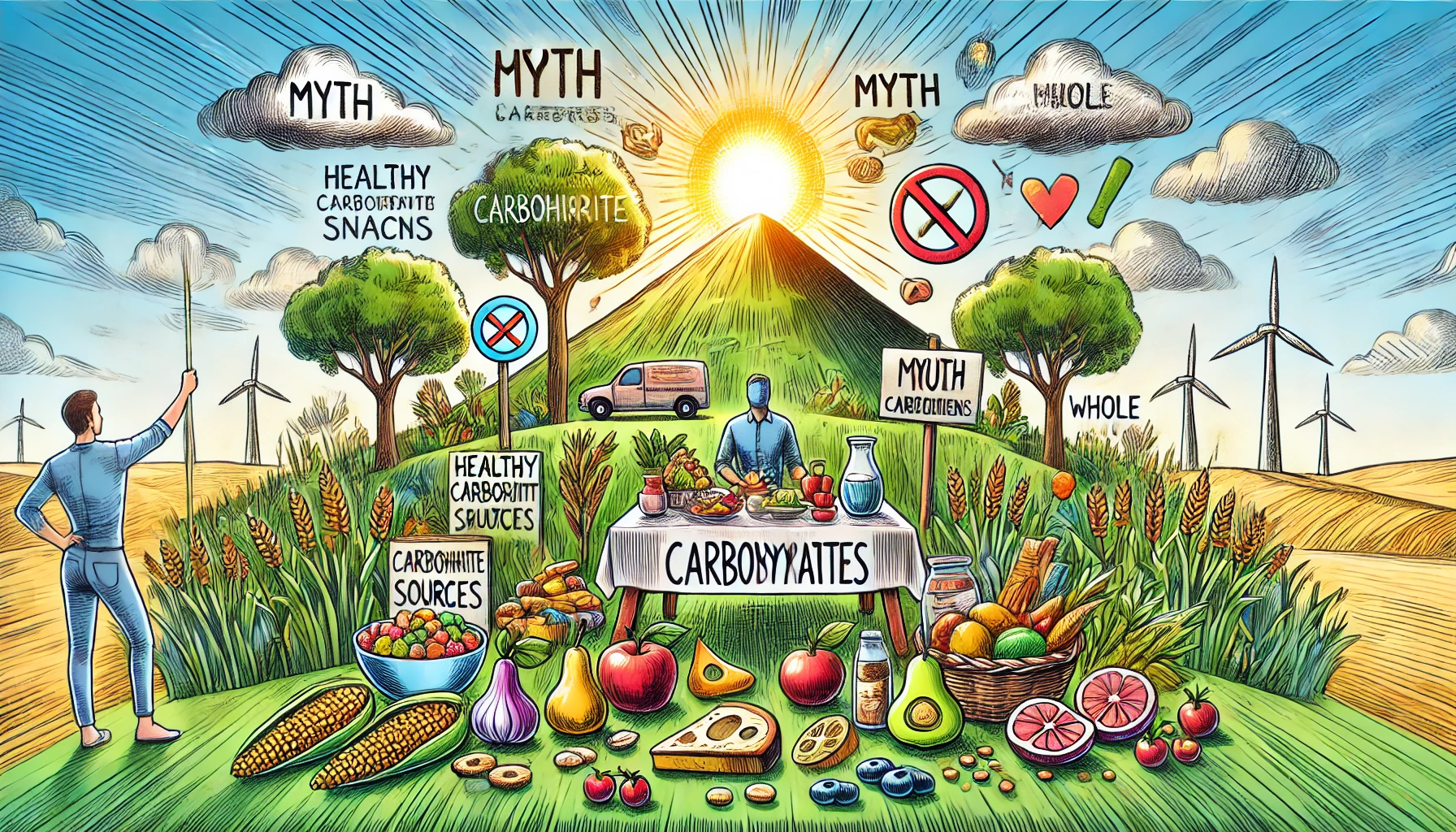
Carbohydrates are a fundamental part of our diet, yet they are often misunderstood and unfairly maligned. Misconceptions about carbohydrates can lead to unnecessary dietary restrictions and poor nutritional choices. It’s time to set the record straight by debunking some of the most common myths about carbohydrates and understanding their true role in a healthy diet.
Carbohydrates are an essential source of energy and provide numerous health benefits when consumed as part of a balanced diet. Let’s explore and debunk the top myths surrounding carbohydrates to help you make informed and healthy dietary choices.
1. Myth: Carbs Make You Fat
- Caloric Balance: Weight gain occurs when you consume more calories than you burn, regardless of the source. Carbohydrates alone do not cause weight gain.
- Whole Grains vs. Refined Carbs: Whole grains and complex carbohydrates provide fiber and nutrients, while refined carbs can lead to overeating and weight gain due to their lack of satiety.
- Healthy Choices: Choose nutrient-dense, high-fiber carbs like fruits, vegetables, and whole grains to support weight management.
- Energy Source: Carbohydrates are the body’s primary energy source, essential for physical activity and overall functioning.
- Balanced Diet: Include a variety of carbs in a balanced diet to maintain a healthy weight and support overall health.
2. Myth: All Carbs Are the Same
- Complex vs. Simple Carbs: Complex carbs, such as whole grains, legumes, and vegetables, are digested slowly, providing sustained energy and nutrients. Simple carbs, like sugar and white bread, are digested quickly and can lead to blood sugar spikes.
- Fiber Content: Complex carbs are rich in fiber, which aids digestion, controls blood sugar, and supports heart health.
- Nutrient Density: Whole foods that contain complex carbs are packed with essential vitamins and minerals.
- Variety: Incorporate a variety of complex carbs into your diet for balanced nutrition and sustained energy.
- Label Reading: Learn to read food labels to distinguish between nutrient-dense complex carbs and less nutritious simple carbs.
3. Myth: You Should Avoid Carbs at Night
- Total Caloric Intake: Weight gain is more about total calorie consumption and expenditure than the timing of eating. Eating carbs at night doesn’t inherently cause weight gain.
- Metabolism: Your body continues to digest and use nutrients even while you sleep. A balanced evening meal can support overnight recovery and energy levels.
- Balanced Meals: Focus on the quality and portion size of your meals rather than the timing. A balanced diet throughout the day is key.
- Healthy Choices: Opt for complex carbs in the evening, such as whole grains, to maintain steady blood sugar levels and prevent late-night cravings.
- Individual Needs: Tailor your eating habits to your lifestyle and individual metabolic needs.
4. Myth: Low-Carb Diets Are Healthier
- Nutrient Intake: Severely restricting carbs can lead to deficiencies in essential nutrients found in carb-rich foods, such as fiber, vitamins, and minerals.
- Energy Levels: Carbohydrates are a primary energy source. A low-carb diet can lead to fatigue, especially for active individuals.
- Heart Health: Whole grains and other complex carbs support heart health by providing fiber, which helps lower cholesterol levels.
- Balanced Diet: A diet that includes a variety of carbs, proteins, and fats supports overall health and well-being.
- Sustainability: Extreme low-carb diets can be difficult to maintain long-term. A balanced approach is more sustainable and healthful.
5. Myth: Carbs Cause Blood Sugar Spikes
- Glycemic Index: Not all carbs cause blood sugar spikes. Foods with a low glycemic index, such as whole grains, legumes, and most vegetables, release glucose slowly and steadily.
- Fiber Benefits: Fiber-rich carbs help stabilize blood sugar levels by slowing down digestion and glucose absorption.
- Balanced Meals: Pairing carbs with protein and healthy fats can further moderate blood sugar levels.
- Whole Foods: Focus on whole, unprocessed carbs to maintain steady blood sugar levels.
- Individual Responses: Monitor how different carbs affect your blood sugar and tailor your diet accordingly.
6. Myth: Fruit Has Too Much Sugar
- Natural Sugars: The sugar in fruit is naturally occurring and comes with fiber, vitamins, minerals, and antioxidants, which are beneficial for health.
- Health Benefits: Fruits are linked to reduced risks of chronic diseases, such as heart disease and certain cancers.
- Moderation: Enjoy fruit in moderation as part of a balanced diet. It’s a healthy way to satisfy sweet cravings.
- Variety: Include a variety of fruits in your diet to benefit from a range of nutrients and phytochemicals.
- Whole Fruits vs. Juice: Choose whole fruits over fruit juices to maximize fiber intake and avoid added sugars.
7. Myth: Carbs Are Not Essential Nutrients
- Energy Source: Carbohydrates are the body’s main source of energy, especially for the brain and muscles.
- Nutrient Delivery: Carbs deliver essential nutrients, including fiber, vitamins, and minerals, that support overall health.
- Digestive Health: Fiber from carbs promotes healthy digestion and regular bowel movements.
- Athletic Performance: Carbohydrates are crucial for athletes and active individuals to maintain energy and enhance performance.
- Balanced Nutrition: A diet including carbs ensures you get a broad spectrum of nutrients needed for optimal health.
8. Myth: Cutting Carbs Improves Mental Clarity
- Brain Function: The brain relies on glucose from carbs as its primary fuel source. Cutting carbs can lead to brain fog and reduced cognitive function.
- Mood Stability: Carbs help regulate mood by promoting the production of serotonin, a neurotransmitter that contributes to feelings of well-being.
- Balanced Diet: A balanced diet that includes healthy carbs supports mental clarity and overall cognitive function.
- Sustained Energy: Complex carbs provide steady energy, supporting focus and concentration throughout the day.
- Individual Needs: Tailor your carb intake to your cognitive and energy needs for optimal mental performance.
9. Myth: Carbs Are Inherently Unhealthy
- Whole vs. Processed: Whole, unprocessed carbs like fruits, vegetables, legumes, and whole grains are nutrient-dense and support health.
- Diet Quality: The quality of your carb choices impacts your health more than the quantity. Focus on nutrient-dense, fiber-rich carbs.
- Balanced Diet: Carbs are a part of a balanced diet that includes all macronutrients (carbs, proteins, and fats) for overall health.
- Health Benefits: Consuming the right kinds of carbs supports heart health, digestive health, and weight management.
- Moderation: Enjoy carbs as part of a varied and balanced diet, rather than eliminating them.
10. Myth: You Can’t Eat Carbs and Lose Weight
- Caloric Deficit: Weight loss depends on a caloric deficit, not the exclusion of specific macronutrients. You can lose weight while eating carbs by managing portion sizes and overall calorie intake.
- Healthy Carbs: Include whole, unprocessed carbs that are high in fiber and nutrients, which support weight loss by promoting satiety and reducing overeating.
- Balanced Meals: Combine carbs with protein and healthy fats to create balanced meals that help control hunger and support weight loss.
- Sustainable Diet: A balanced diet that includes carbs is more sustainable long-term than restrictive diets, leading to better weight management outcomes.
- Active Lifestyle: Carbs provide the necessary energy for physical activity, which is a key component of successful weight loss.
In conclusion, carbohydrates are a crucial part of a healthy diet, providing essential nutrients and energy. By debunking these common myths, you can make informed choices that include a variety of nutritious carbs, supporting your overall health and well-being. Remember, balance and moderation are key to a healthy diet.