
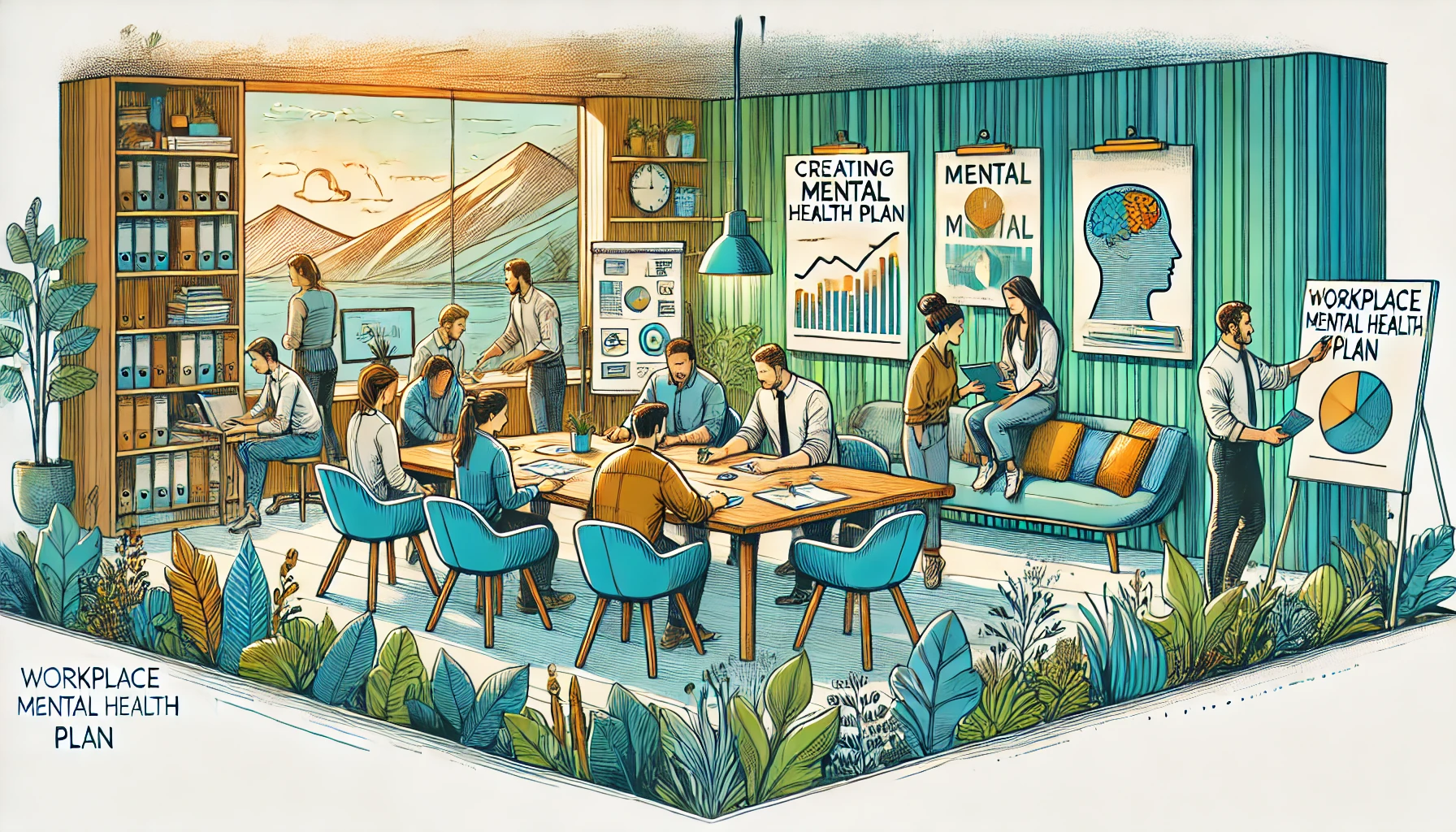
In today’s fast-paced and demanding work environment, addressing mental health is crucial for fostering a productive and supportive workplace. A comprehensive Workplace Mental Health Plan can significantly enhance employees’ well-being, reduce absenteeism, and increase overall job satisfaction. Such a plan not only benefits the employees but also contributes to a healthier, more resilient organizational culture. By proactively addressing mental health, employers can create a safe, inclusive, and empathetic work environment that supports all employees.
A Workplace Mental Health Plan involves implementing policies, programs, and practices that promote mental well-being and provide support for employees experiencing mental health challenges. It encompasses a range of strategies, from creating awareness and reducing stigma to offering resources and accommodations. This guide outlines the key components and steps involved in creating an effective Workplace Mental Health Plan, ensuring a holistic approach that caters to the diverse needs of the workforce.
1. Assess Current Mental Health Climate
- Employee Surveys: Conduct anonymous surveys to gather insights into employees’ mental health needs, concerns, and experiences.
- Focus Groups: Organize focus groups to discuss mental health issues and gather qualitative data.
- Workplace Audits: Evaluate existing workplace policies, programs, and practices related to mental health.
- Feedback from Management: Collect feedback from managers and supervisors about observed mental health challenges and support needs.
- Data Analysis: Analyze data from surveys and audits to identify common stressors, mental health issues, and areas for improvement.
2. Develop a Mental Health Policy
- Policy Statement: Create a clear policy statement that outlines the organization’s commitment to mental health.
- Scope and Purpose: Define the scope and purpose of the mental health policy, including its relevance to all employees.
- Roles and Responsibilities: Outline the roles and responsibilities of management, HR, and employees in promoting mental health.
- Confidentiality: Establish guidelines for maintaining confidentiality and privacy regarding employees’ mental health information.
- Non-Discrimination: Include a commitment to non-discrimination and protection against retaliation for seeking mental health support.
3. Establish a Supportive Environment
- Open Communication: Foster an open communication culture where employees feel safe discussing mental health without fear of stigma.
- Training for Managers: Provide training for managers to recognize signs of mental health issues and respond appropriately.
- Employee Education: Educate employees about mental health, including recognizing symptoms and understanding resources available.
- Peer Support Programs: Create peer support programs where employees can share experiences and offer mutual support.
- Wellness Initiatives: Promote wellness initiatives such as stress management workshops, mindfulness sessions, and fitness programs.
4. Provide Access to Mental Health Resources
- Employee Assistance Programs (EAPs): Offer EAPs that provide confidential counseling and support for personal and work-related issues.
- Mental Health Benefits: Ensure that health insurance plans include comprehensive mental health coverage, including therapy and medication.
- On-Site Support: Consider providing on-site mental health professionals or services for immediate assistance.
- Resource Library: Maintain a library of mental health resources, including books, articles, and online materials.
- External Resources: Share information about external mental health resources, such as hotlines and support groups.
5. Implement Accommodations and Support Systems
- Reasonable Accommodations: Provide reasonable accommodations, such as flexible work hours, remote work options, and modified duties, for employees with mental health needs.
- Return-to-Work Programs: Develop return-to-work programs for employees recovering from mental health issues, allowing a gradual transition.
- Crisis Management: Establish protocols for responding to mental health crises, including emergency contact information and intervention procedures.
- Stress Reduction Programs: Implement programs aimed at reducing workplace stress, such as workload management and relaxation techniques.
- Regular Check-ins: Encourage managers to have regular check-ins with employees to discuss well-being and offer support.
6. Promote Work-Life Balance
- Encourage Time Off: Promote the use of vacation and personal days to ensure employees take time to rest and recharge.
- Flexible Work Options: Offer flexible work arrangements, such as telecommuting and flexible hours, to help employees manage personal and professional responsibilities.
- Limit Overtime: Set clear boundaries around work hours to prevent burnout and promote a healthy work-life balance.
- Promote Breaks: Encourage employees to take regular breaks during the workday to relax and reduce stress.
- Supportive Policies: Develop policies that support work-life balance, such as parental leave and mental health days.
7. Raise Awareness and Reduce Stigma
- Awareness Campaigns: Run awareness campaigns to educate employees about mental health and reduce stigma.
- Mental Health Days: Designate specific days or weeks to focus on mental health awareness and activities.
- Success Stories: Share success stories of employees who have sought help and benefited from mental health support.
- Guest Speakers: Invite mental health professionals and advocates to speak about their experiences and provide insights.
- Visual Reminders: Use posters, newsletters, and digital media to promote mental health awareness and resources.
8. Monitor and Evaluate the Plan
- Regular Surveys: Conduct regular surveys to assess the effectiveness of mental health initiatives and gather feedback.
- KPIs and Metrics: Use key performance indicators (KPIs) and metrics to measure the impact of mental health programs.
- Continuous Improvement: Continuously review and update the mental health plan based on feedback and evolving needs.
- Annual Review: Perform an annual review of the mental health plan to ensure it remains relevant and effective.
- Engage Stakeholders: Involve key stakeholders, including HR, management, and employees, in evaluating and improving the plan.
9. Foster a Positive Workplace Culture
- Inclusive Environment: Create an inclusive environment where diversity is valued and everyone feels respected.
- Recognition and Appreciation: Regularly recognize and appreciate employees’ contributions, fostering a positive and supportive atmosphere.
- Team Building: Organize team-building activities to strengthen relationships and promote a sense of community.
- Positive Leadership: Encourage leaders to model positive behavior and support mental health initiatives.
- Employee Involvement: Involve employees in the planning and implementation of mental health initiatives, ensuring their voices are heard.
10. Provide Ongoing Education and Training
- Mental Health Training: Offer ongoing training on mental health topics for all employees, including managers and HR personnel.
- Stress Management Techniques: Educate employees on stress management techniques, such as mindfulness and relaxation exercises.
- Workshops and Seminars: Conduct workshops and seminars on mental health, wellness, and work-life balance.
- Resource Sharing: Share educational resources, such as articles, videos, and online courses, on mental health.
- Peer Learning: Encourage peer learning and sharing of experiences related to mental health and well-being.
Creating a Workplace Mental Health Plan is a comprehensive process that requires commitment and collaboration across all levels of the organization. By implementing these strategies, employers can create a supportive environment that prioritizes mental health, ultimately leading to a healthier, more engaged, and productive workforce. It’s important to remember that mental health initiatives should be ongoing and adaptable, evolving with the needs of the employees and the organization.
In conclusion, a well-structured Workplace Mental Health Plan is essential for promoting a healthy and supportive work environment. By assessing the current mental health climate, developing a mental health policy, establishing a supportive environment, providing access to resources, implementing accommodations, promoting work-life balance, raising awareness, monitoring the plan, fostering a positive culture, and offering ongoing education, organizations can effectively address mental health challenges in the workplace. Such initiatives not only support the well-being of employees but also contribute to a more resilient and thriving organization. As companies continue to prioritize mental health, they pave the way for a more compassionate and understanding work culture, benefiting both individuals and the organization as a whole.