
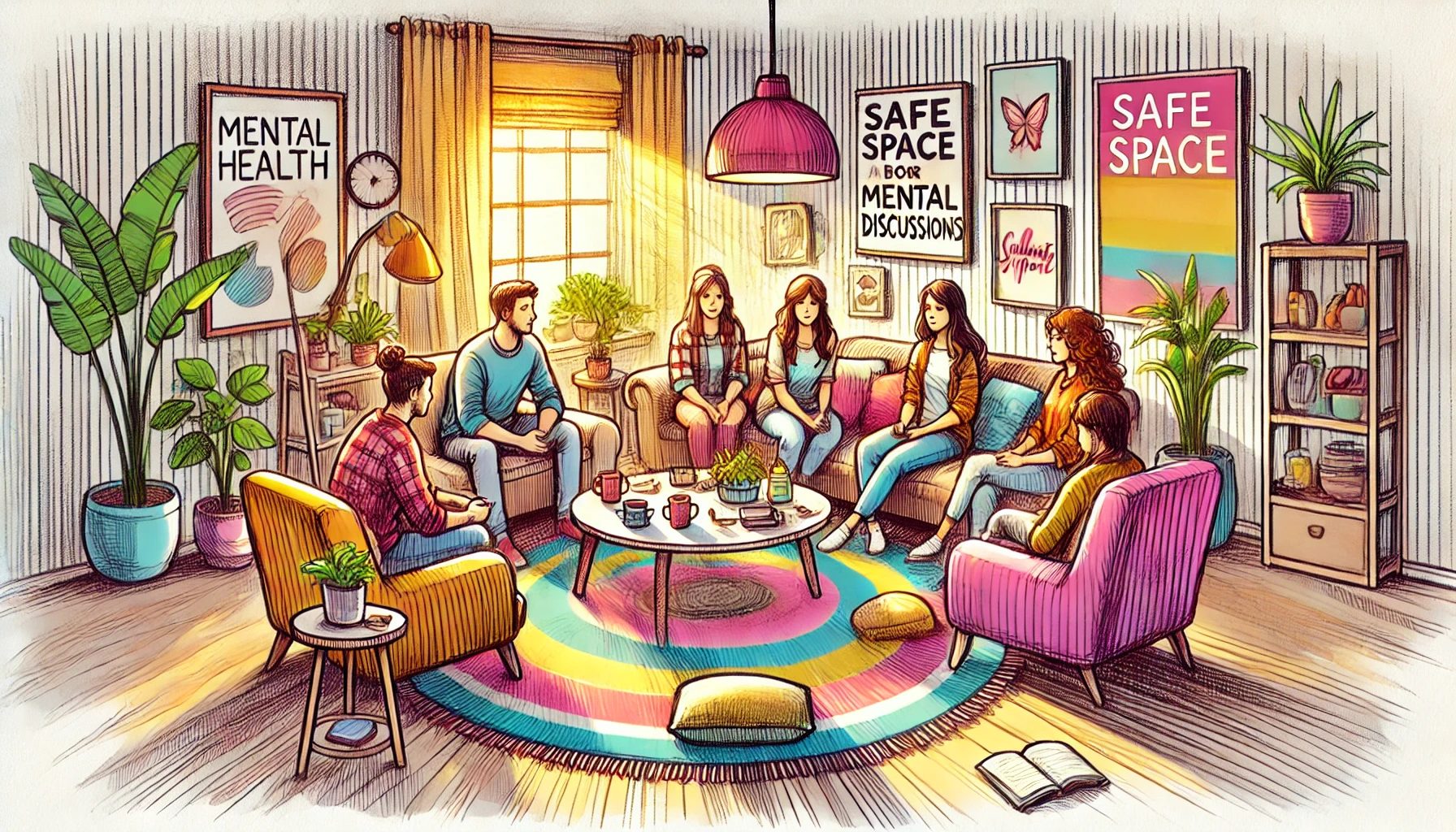
Discussing mental health can be a sensitive and challenging topic, but having a safe space to talk about it with friends can make a significant difference. Friends play a crucial role in providing support, understanding, and empathy. By creating an environment where open and honest conversations about mental health are encouraged, friends can help each other navigate difficult times and foster emotional well-being. This guide explores how to create a safe space for mental health discussions among friends, offering practical steps and strategies to ensure these conversations are supportive and productive.
A safe space for mental health discussions is built on trust, respect, and empathy. It’s a place where individuals feel comfortable sharing their thoughts and feelings without fear of judgment or stigma. Establishing such an environment requires intentional effort and a commitment to maintaining open, compassionate communication. By following the steps outlined below, you can create a supportive atmosphere that encourages mental health discussions and strengthens the bonds of friendship.
1. Establish Trust and Confidentiality
- Mutual Trust: Build a foundation of mutual trust by being reliable, consistent, and honest in your interactions.
- Confidentiality Agreement: Agree to keep the conversations private, ensuring that personal information is not shared outside the group.
- Safe Environment: Create a physical or virtual space that feels safe and comfortable for everyone involved.
- Respect Boundaries: Respect each friend’s boundaries and only discuss topics they are comfortable with.
- Trust-Building Activities: Engage in activities that build trust and camaraderie, such as team-building exercises or shared hobbies.
2. Encourage Open Communication
- Active Listening: Practice active listening by giving your full attention, making eye contact, and responding empathetically.
- Non-Judgmental Attitude: Maintain a non-judgmental attitude, accepting your friends’ experiences and feelings without criticism.
- Validate Feelings: Validate each other’s feelings by acknowledging their emotions and experiences as legitimate and important.
- Open-Ended Questions: Ask open-ended questions to encourage deeper conversations and understanding.
- Regular Check-Ins: Schedule regular check-ins to discuss how everyone is feeling and offer support.
3. Set Clear Boundaries
- Personal Limits: Discuss and set clear personal limits about what topics and information each person is comfortable sharing.
- Respect for Boundaries: Respect and honor the boundaries set by your friends, avoiding pressure or coercion.
- Boundaries Review: Regularly review and adjust boundaries as needed, ensuring they continue to meet everyone’s comfort levels.
- Safe Words: Establish safe words or signals to use if someone feels uncomfortable and needs to pause or change the topic.
- Boundaries in Crisis: Have a plan in place for respecting boundaries while providing support during a crisis.
4. Promote Empathy and Understanding
- Shared Experiences: Share your own experiences and challenges to foster a sense of understanding and solidarity.
- Empathetic Responses: Respond with empathy, showing that you understand and care about your friend’s feelings.
- Avoid Comparisons: Avoid comparing experiences, as each person’s mental health journey is unique.
- Encourage Expression: Encourage friends to express their feelings and thoughts openly, without fear of judgment.
- Emotional Support: Offer emotional support through gestures like a comforting hug, a kind word, or simply being present.
5. Provide Resources and Information
- Educational Materials: Share educational materials about mental health, such as books, articles, and videos.
- Resource Lists: Compile a list of mental health resources, including therapists, hotlines, and support groups.
- Professional Help: Encourage seeking professional help when needed and provide information on how to access these services.
- Workshops and Seminars: Attend workshops and seminars on mental health together to learn more and support each other.
- Online Platforms: Utilize online platforms and apps designed to support mental health and well-being.
6. Create a Positive and Inclusive Atmosphere
- Positive Reinforcement: Use positive reinforcement to encourage open discussions and reinforce the value of sharing.
- Inclusive Language: Use inclusive and supportive language that respects all individuals’ experiences and identities.
- Celebrate Progress: Celebrate personal achievements and progress in mental health journeys to foster a positive environment.
- Encourage Participation: Encourage everyone to participate and share, ensuring that all voices are heard.
- Diverse Perspectives: Welcome diverse perspectives and experiences, enriching the conversation and understanding.
7. Practice Self-Care and Encourage It
- Self-Care Routines: Share and discuss self-care routines and strategies that work for each person.
- Mutual Support: Support each other in maintaining self-care practices, such as reminding each other to take breaks or practice mindfulness.
- Self-Care Activities: Plan self-care activities together, such as nature walks, yoga sessions, or creative workshops.
- Respect for Self-Care: Respect each other’s need for self-care and personal time, understanding its importance for mental health.
- Share Resources: Share resources like apps, books, or websites that promote self-care and well-being.
8. Be Mindful of Non-Verbal Cues
- Body Language: Pay attention to body language and other non-verbal cues that may indicate discomfort or distress.
- Facial Expressions: Observe facial expressions to gauge emotions and respond appropriately.
- Tone of Voice: Be mindful of your tone of voice, ensuring it conveys empathy and understanding.
- Personal Space: Respect personal space, especially during sensitive discussions.
- Non-Verbal Support: Use non-verbal support like nodding, maintaining eye contact, or offering a comforting touch when appropriate.
9. Foster a Long-Term Commitment
- Consistent Effort: Make a consistent effort to maintain the safe space and support network over time.
- Long-Term Goals: Set long-term goals for the group, such as ongoing education, advocacy, or community involvement.
- Regular Reflection: Reflect regularly on the group’s dynamics and effectiveness, making adjustments as needed.
- Continuous Improvement: Continuously seek ways to improve the safe space and support offered to each other.
- Sustained Engagement: Encourage sustained engagement and commitment to the group’s goals and values.
10. Address Conflicts Constructively
- Open Dialogue: Address conflicts openly and constructively, ensuring that all parties feel heard and respected.
- Conflict Resolution: Use conflict resolution techniques to navigate disagreements and maintain a supportive environment.
- Mediation: Consider involving a neutral third party, such as a mediator, if conflicts become difficult to resolve.
- Focus on Solutions: Focus on finding solutions and compromises that meet everyone’s needs and maintain the safe space.
- Learning Opportunity: View conflicts as opportunities for growth and learning, strengthening the group’s resilience.
Conclusion
Creating a safe space for mental health discussions among friends is a vital step in fostering emotional well-being and strengthening friendships. By establishing trust, encouraging open communication, setting clear boundaries, and promoting empathy and understanding, friends can support each other through their mental health journeys. Providing resources, maintaining a positive atmosphere, practicing self-care, and addressing conflicts constructively further enhance the effectiveness of these discussions. With consistent effort and a commitment to mutual support, friends can create a nurturing environment that allows for honest, compassionate conversations about mental health, ultimately leading to stronger and more resilient relationships.