
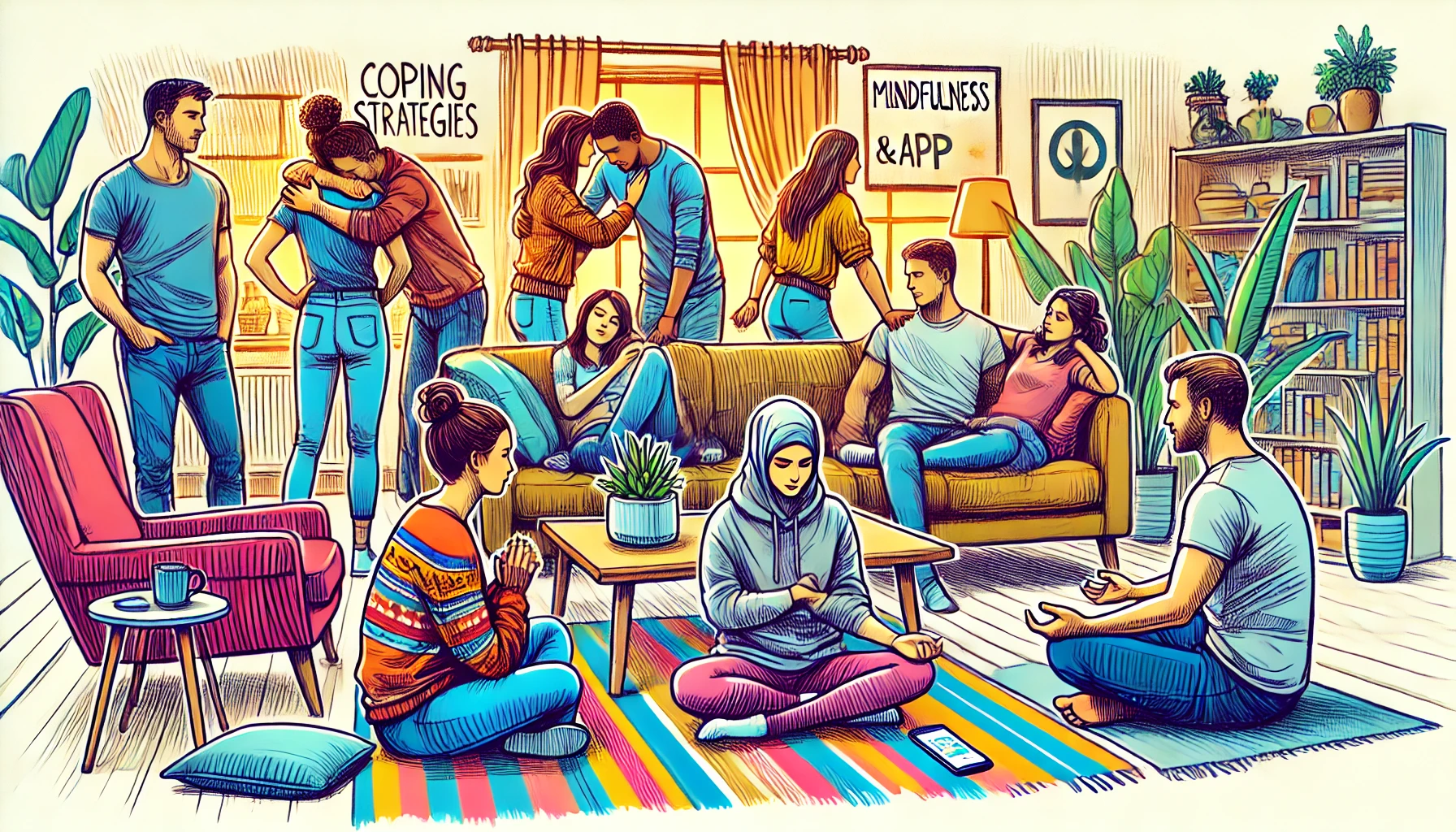
Friendship is a powerful force that provides emotional support, comfort, and resilience during challenging times. When faced with stress, anxiety, or difficult life events, friends often turn to each other for solace and advice. The shared coping mechanisms and strategies among friends can significantly enhance individual well-being and foster stronger bonds. These coping strategies range from practical problem-solving techniques to emotional support and validation, creating a supportive network that can navigate life’s ups and downs together.
The strength of friendships lies in the mutual understanding and empathy that friends offer one another. By sharing coping mechanisms, friends not only provide immediate relief but also equip each other with tools to handle future challenges. This guide explores various coping strategies commonly shared among friends, highlighting their benefits and providing insights into how to effectively support each other. Whether it’s through active listening, engaging in activities together, or providing practical help, these shared strategies can play a crucial role in maintaining mental and emotional health.
1. Active Listening and Emotional Support
- Attentive Listening: Offering a listening ear without interrupting or judging can provide immense relief and validation.
- Empathy: Demonstrating empathy by acknowledging and validating each other’s feelings fosters emotional connection.
- Open Dialogue: Encouraging open and honest conversations about feelings and challenges enhances mutual understanding.
- Emotional Reassurance: Providing reassurance and comfort helps friends feel supported and less alone in their struggles.
- Non-Verbal Support: Offering non-verbal support, such as a comforting hug or presence, can be incredibly soothing.
2. Engaging in Physical Activities
- Exercise Together: Engaging in physical activities like walking, running, or yoga can reduce stress and boost mood.
- Group Sports: Participating in group sports or fitness classes promotes teamwork and distracts from stressors.
- Outdoor Adventures: Planning outdoor adventures like hiking or biking can provide a change of scenery and fresh air.
- Dance Sessions: Dancing together, even at home, can be a fun way to release tension and elevate spirits.
- Fitness Challenges: Setting and achieving fitness goals together fosters a sense of accomplishment and mutual support.
3. Creative Outlets
- Art and Craft: Engaging in creative activities like painting, drawing, or crafting can be therapeutic and express emotions.
- Writing: Writing in journals, poetry, or stories helps process thoughts and feelings constructively.
- Music: Listening to or playing music together can provide emotional release and foster connection.
- Cooking and Baking: Cooking or baking together allows for creativity and collaboration, providing a productive distraction.
- Photography: Exploring photography can be a creative way to capture and appreciate the beauty around, reducing stress.
4. Practicing Mindfulness and Relaxation
- Meditation: Practicing meditation together helps cultivate mindfulness and reduces anxiety.
- Breathing Exercises: Deep breathing exercises can calm the mind and body, providing immediate stress relief.
- Yoga: Participating in yoga sessions promotes relaxation and physical well-being.
- Guided Imagery: Using guided imagery or visualization techniques helps create a sense of calm and focus.
- Nature Walks: Spending time in nature and practicing mindfulness during walks can significantly reduce stress.
5. Sharing and Learning New Skills
- Skill Sharing: Teaching each other new skills, such as knitting, gardening, or coding, promotes a sense of achievement.
- Workshops and Classes: Attending workshops or classes together fosters learning and personal growth.
- DIY Projects: Collaborating on DIY projects encourages creativity and practical problem-solving.
- Language Learning: Learning a new language together can be fun and intellectually stimulating.
- Cooking Classes: Taking cooking classes together enhances culinary skills and provides a shared goal.
6. Setting Goals and Challenges
- Personal Goals: Setting personal goals and supporting each other in achieving them fosters motivation and accountability.
- Challenges: Participating in challenges, such as reading a certain number of books or completing a fitness program, encourages mutual growth.
- Milestone Celebrations: Celebrating milestones and achievements together reinforces positive behaviors and motivation.
- Vision Boards: Creating vision boards to visualize goals and aspirations can be a motivating and bonding activity.
- Progress Updates: Regularly updating each other on progress and setbacks provides continuous support and encouragement.
7. Offering Practical Help
- Errands and Tasks: Helping each other with errands or tasks can alleviate stress and demonstrate care.
- Study Sessions: Collaborating on study sessions or work projects provides mutual academic or professional support.
- Childcare Support: Offering childcare support allows parents to take needed breaks and manage their responsibilities.
- Meal Prep: Preparing and sharing meals can reduce the daily burden and offer nutritional support.
- Household Chores: Assisting with household chores can relieve stress and create a sense of partnership.
8. Social and Recreational Activities
- Movie Nights: Organizing movie or game nights provides a fun and relaxing break from daily stress.
- Travel Plans: Planning trips or weekend getaways can offer a change of environment and a chance to unwind.
- Dining Out: Exploring new restaurants or cafes together can be a delightful way to spend time and relax.
- Cultural Events: Attending cultural events, such as concerts or theater performances, enriches social life and provides enjoyment.
- Volunteer Work: Engaging in volunteer work together fosters a sense of purpose and community involvement.
9. Encouraging Healthy Lifestyles
- Healthy Eating: Encouraging each other to maintain a balanced diet promotes overall well-being.
- Regular Exercise: Supporting regular exercise routines boosts physical and mental health.
- Sleep Hygiene: Discussing and encouraging good sleep hygiene practices improves overall health.
- Hydration: Reminding each other to stay hydrated is a simple yet important aspect of health.
- Avoiding Harmful Behaviors: Supporting each other in avoiding harmful behaviors, such as excessive drinking or smoking, fosters healthier lifestyles.
10. Building a Support Network
- Inclusive Support: Building a broader support network that includes other friends, family, or support groups enhances resilience.
- Professional Help: Encouraging seeking professional help, such as therapy or counseling, when needed provides additional support.
- Community Resources: Exploring community resources and activities together can offer new support avenues.
- Peer Support Groups: Joining peer support groups for shared experiences and mutual aid.
- Regular Check-Ins: Regularly checking in with each other and the broader support network ensures continuous support and connection.
Conclusion
Friends play a vital role in supporting each other’s mental and emotional well-being. By sharing coping mechanisms and strategies, friends can navigate life’s challenges together, fostering resilience and mutual growth. From active listening and emotional support to engaging in physical activities and creative outlets, these shared strategies strengthen bonds and provide practical relief. Encouraging healthy lifestyles, setting goals, offering practical help, and building a broader support network further enhance the support system. By embracing these coping mechanisms, friends can create a nurturing and empowering environment that promotes mental health and overall happiness.