
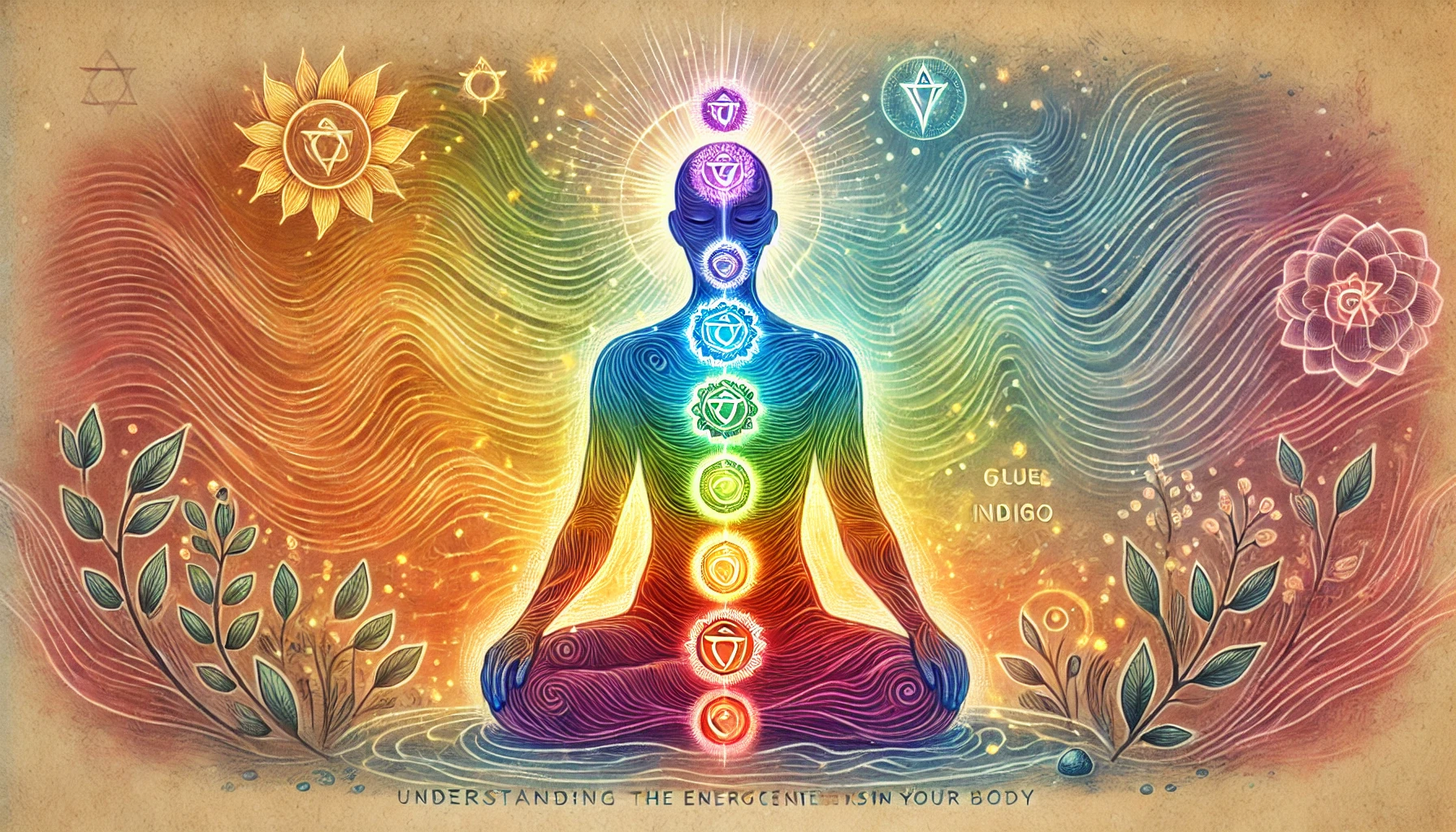
Chakra meditation is a practice that focuses on balancing and aligning the seven energy centers in the body, known as chakras. These chakras are believed to regulate various physical, emotional, and spiritual aspects of our being. When the chakras are balanced, energy flows freely throughout the body, promoting well-being and harmony. However, blockages or imbalances in the chakras can lead to physical ailments, emotional distress, or spiritual stagnation. Chakra meditation helps clear these blockages, allowing energy to flow smoothly and promoting healing and alignment.
This blog will guide you through the concept of chakra meditation, explaining the seven main chakras, their functions, and how to balance them through meditation. Whether you’re new to chakra meditation or looking to deepen your practice, understanding these energy centers can provide valuable insight into your overall health and well-being.
1. What Are Chakras?
- Definition: In Sanskrit, the word “chakra” means “wheel” or “disk.” Chakras are often visualized as spinning wheels of energy located along the spine, from the base of the spine to the crown of the head. These energy centers correspond to different aspects of your physical, emotional, and spiritual health.
- The Seven Chakras: The body is believed to have seven main chakras, each associated with specific organs, emotions, and spiritual qualities. Chakra meditation focuses on opening and balancing these energy centers to promote optimal health.
- Energy Flow: When your chakras are open and balanced, energy flows smoothly through your body. Blocked or imbalanced chakras can lead to physical symptoms or emotional struggles. Chakra meditation aims to release these blockages, restoring balance and harmony.
2. The Seven Chakras and Their Functions
1. Root Chakra (Muladhara)
- Location: Base of the spine
- Color: Red
- Element: Earth
- Function: The root chakra governs your sense of safety, security, and survival. It represents your connection to the earth and your physical body, providing stability and grounding.
- Signs of Imbalance: Feelings of fear, insecurity, or financial instability. Physical symptoms may include lower back pain or fatigue.
- Balancing Meditation: During meditation, visualize a red, glowing light at the base of your spine. Focus on feeling grounded, safe, and secure as you breathe deeply.
2. Sacral Chakra (Svadhisthana)
- Location: Lower abdomen, just below the navel
- Color: Orange
- Element: Water
- Function: The sacral chakra is associated with creativity, pleasure, sexuality, and emotional well-being. It governs your relationships, emotions, and ability to enjoy life.
- Signs of Imbalance: Emotional instability, lack of creativity, or issues with intimacy. Physical symptoms may include reproductive issues or lower abdominal discomfort.
- Balancing Meditation: Visualize a bright orange light in your lower abdomen, allowing it to expand with each breath. Focus on feelings of pleasure, creativity, and emotional balance.
3. Solar Plexus Chakra (Manipura)
- Location: Upper abdomen, above the navel
- Color: Yellow
- Element: Fire
- Function: The solar plexus chakra governs your personal power, confidence, and self-esteem. It is the center of your willpower and determination.
- Signs of Imbalance: Low self-esteem, indecision, or lack of confidence. Physical symptoms may include digestive issues or fatigue.
- Balancing Meditation: Visualize a radiant yellow light in your upper abdomen. Focus on feelings of strength, confidence, and self-worth as the light expands with your breath.
4. Heart Chakra (Anahata)
- Location: Center of the chest
- Color: Green
- Element: Air
- Function: The heart chakra is the center of love, compassion, and empathy. It governs your ability to give and receive love, both for yourself and others.
- Signs of Imbalance: Feelings of isolation, bitterness, or difficulty forgiving. Physical symptoms may include heart or lung issues.
- Balancing Meditation: Visualize a glowing green light in the center of your chest. As you inhale, let this light fill you with unconditional love and compassion. Feel your heart open as the energy expands.
5. Throat Chakra (Vishuddha)
- Location: Throat
- Color: Blue
- Element: Ether
- Function: The throat chakra governs communication, self-expression, and truth. It helps you express yourself authentically and speak your truth.
- Signs of Imbalance: Difficulty expressing yourself, fear of speaking up, or feeling unheard. Physical symptoms may include throat issues or stiffness in the neck.
- Balancing Meditation: Visualize a bright blue light at your throat, expanding as you breathe. Focus on your ability to speak clearly and express your truth with confidence.
6. Third Eye Chakra (Ajna)
- Location: Forehead, between the eyebrows
- Color: Indigo
- Element: Light
- Function: The third eye chakra is associated with intuition, insight, and inner wisdom. It governs your ability to see beyond the physical world and tap into higher knowledge.
- Signs of Imbalance: Lack of clarity, indecisiveness, or disconnection from your intuition. Physical symptoms may include headaches or vision problems.
- Balancing Meditation: Visualize an indigo light at the center of your forehead. Focus on your inner wisdom and clarity, allowing the light to expand as your mind becomes calm and clear.
7. Crown Chakra (Sahasrara)
- Location: Top of the head
- Color: Violet or white
- Element: Cosmic energy
- Function: The crown chakra represents your connection to spirituality and higher consciousness. It governs your sense of purpose and oneness with the universe.
- Signs of Imbalance: Disconnection from spirituality, lack of purpose, or feelings of isolation. Physical symptoms may include headaches or confusion.
- Balancing Meditation: Visualize a violet or white light at the top of your head, connecting you to the universe. As you breathe, imagine this light expanding, filling you with a sense of peace, purpose, and spiritual connection.
3. How Chakra Meditation Works
- Visualization and Color: During chakra meditation, you focus on each chakra individually, visualizing the associated color and imagining that energy center becoming balanced and clear. This visualization helps you direct healing energy to the chakra, releasing blockages and restoring balance.
- Breathing Techniques: Deep, rhythmic breathing is essential in chakra meditation. By synchronizing your breath with the visualization, you increase energy flow to the chakras, enhancing the balancing effect.
- Affirmations: Repeating affirmations related to each chakra can reinforce the intention of balancing the energy center. For example, for the heart chakra, you might say, “I am open to love” or “I forgive myself and others.”
4. Benefits of Chakra Meditation
1. Balances Physical and Emotional Health
- Chakra meditation can help address physical ailments and emotional issues by restoring energy flow to blocked chakras. For example, balancing the root chakra may relieve feelings of insecurity, while balancing the throat chakra may help with communication issues.
2. Promotes Mental Clarity and Focus
- By clearing blockages in the chakras, meditation enhances mental clarity and focus. When the mind is not bogged down by negative emotions or distractions, it’s easier to think clearly and make decisions.
3. Enhances Emotional Stability
- Chakra meditation promotes emotional balance by aligning the energy centers responsible for emotions like love, fear, and confidence. Practitioners often report feeling more emotionally stable, compassionate, and resilient.
4. Increases Spiritual Awareness
- The practice of chakra meditation can deepen your spiritual connection by opening the higher chakras, particularly the crown and third eye chakras. This helps foster a sense of inner peace, purpose, and unity with the universe.
5. Reduces Stress and Anxiety
- By balancing the energy centers in the body, chakra meditation helps release built-up stress and tension. It calms the nervous system, reduces anxiety, and promotes overall relaxation.
5. How to Practice Chakra Meditation: A Step-by-Step Guide
1. Find a Quiet Space
- Choose a comfortable place where you won’t be disturbed. Sit in a chair or on a cushion with your back straight and your hands resting on your knees or in your lap.
2. Focus on Your Breath
- Close your eyes and take a few deep breaths. Focus on your breathing, allowing your body and mind to relax.
3. Visualize Each Chakra
- Start at the root chakra, located at the base of your spine. Visualize a red, glowing light at this spot and imagine it spinning and becoming brighter. Spend a few moments here before moving on to the sacral chakra.
- Progress upward through the seven chakras, focusing on each one in turn. Visualize the associated color, and imagine the energy center spinning freely and glowing brightly.
4. Use Affirmations or Mantras
- As you focus on each chakra, repeat affirmations or mantras to reinforce the intention of balance. For example, for the heart chakra, you might say, “I am open to giving and receiving love.”
5. End with Deep Breathing
- Once you have visualized all seven chakras, spend a few moments taking deep, cleansing breaths. Imagine the energy flowing freely from the base of your spine to the top of your head.
6. Reflect on Your Experience
- After completing the meditation, take a moment to reflect on how you feel. Notice any shifts in energy, emotions, or physical sensations.
6. Tips for a Successful Chakra Meditation Practice
- Consistency: Like all forms of meditation, chakra meditation works best when practiced regularly. Try to set aside time each day to practice, even if only for a few minutes.
- Listen to Your Body: Pay attention to any sensations, emotions, or thoughts that arise during your practice. These can provide insight into which chakras may need more attention.
- Use Sound or Music: Some practitioners find it helpful to use music, chanting, or sound healing (such as Tibetan singing bowls) to enhance their chakra meditation practice.
Conclusion: Why Chakra Meditation Matters
Chakra meditation is a powerful tool for balancing the body’s energy centers, promoting physical, emotional, and spiritual well-being. By understanding the seven chakras and how they influence different aspects of your life, you can use meditation to release blockages, enhance your energy flow, and achieve greater harmony. Whether you’re seeking emotional balance, spiritual growth, or improved health, chakra meditation offers a holistic approach to healing and self-discovery.