
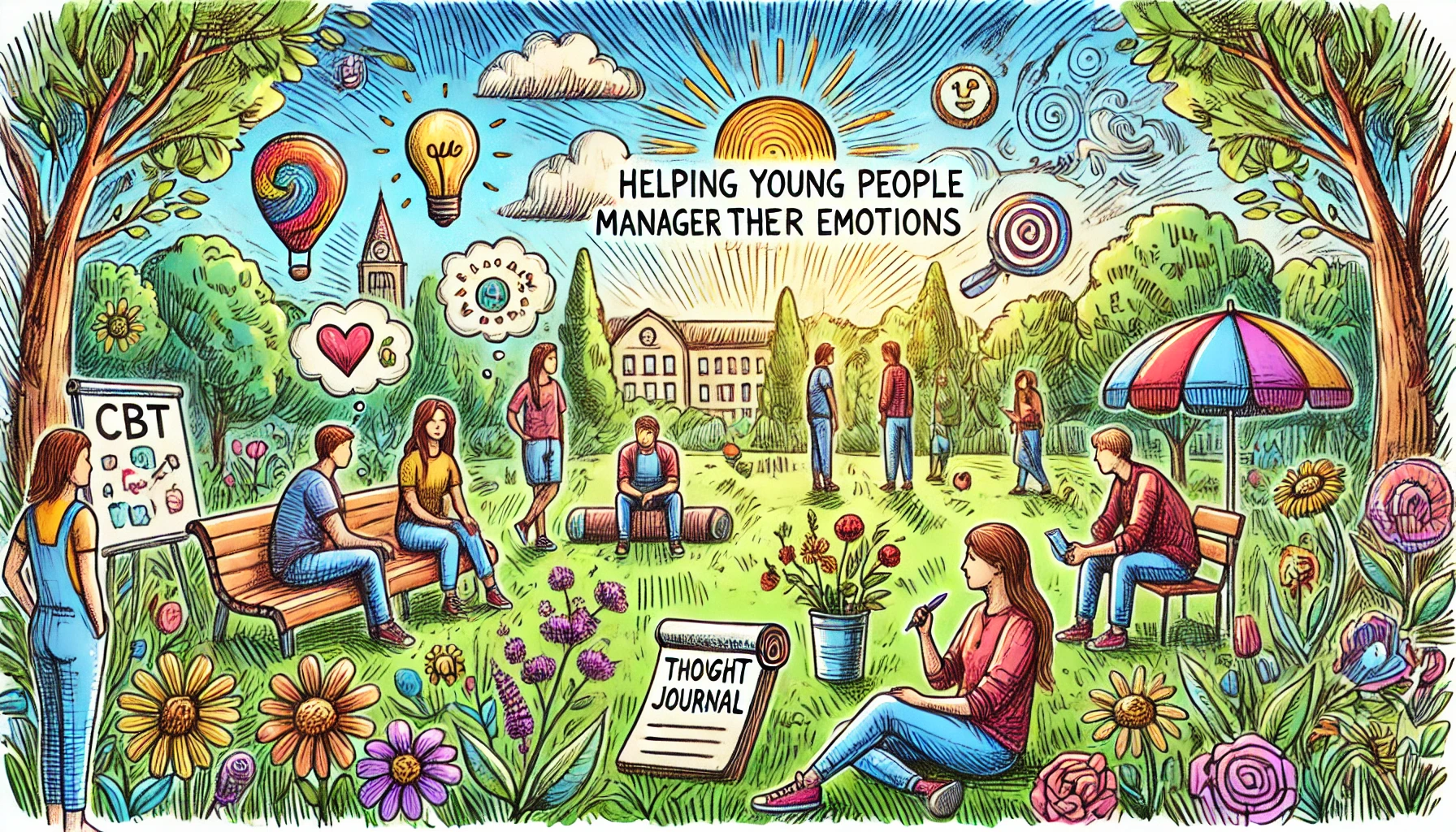
Cognitive Behavioral Therapy (CBT) is a valuable tool for helping teens manage their emotions and navigate the challenges of adolescence. This period is marked by significant physical, emotional, and social changes, which can sometimes lead to emotional difficulties such as anxiety, depression, and stress. CBT offers structured, evidence-based techniques that can help teens understand and manage their emotions, develop healthy coping strategies, and improve their overall mental well-being.
CBT focuses on identifying and changing negative thought patterns and behaviors. For teens, this approach can be particularly effective because it provides practical tools and skills that they can apply in their daily lives. Through CBT, teens learn to recognize how their thoughts influence their emotions and behaviors, and they develop strategies to cope with difficult situations in a healthier way.
1. Understanding CBT and Its Benefits for Teens
- What is CBT?: CBT is a structured, goal-oriented therapy that focuses on changing negative thought patterns and behaviors.
- Benefits for Teens: Helps teens manage emotions, reduce symptoms of anxiety and depression, and improve coping skills.
- Evidence-Based: Proven effective for a range of mental health issues common in adolescence.
- Empowerment: Empowers teens to take an active role in their mental health.
- Short-Term and Long-Term: Provides both immediate relief and long-term strategies for managing emotions.
2. Identifying Negative Thought Patterns
- Awareness: Teach teens to become aware of their negative thoughts, such as “I can’t do anything right” or “Everyone hates me.”
- Common Cognitive Distortions: Help teens recognize common distortions like black-and-white thinking, catastrophizing, and overgeneralization.
- Thought Journals: Encourage keeping a journal to track negative thoughts and situations that trigger them.
- Pattern Recognition: Work on identifying patterns in their thoughts and understanding how these patterns affect their emotions and behaviors.
3. Challenging Negative Thoughts
- Questioning: Teach teens to question the validity of their negative thoughts. Ask, “Is this thought based on facts or feelings?”
- Evidence Evaluation: Encourage examining the evidence for and against their negative thoughts.
- Alternative Thoughts: Help teens develop more balanced and realistic alternative thoughts.
- Socratic Questioning: Use Socratic questioning to guide teens in exploring and challenging their irrational beliefs.
- Positive Self-Talk: Promote the use of positive self-talk to replace negative thoughts.
4. Developing Coping Skills
- Stress Management: Teach stress management techniques such as deep breathing, progressive muscle relaxation, and mindfulness.
- Problem-Solving Skills: Develop effective problem-solving skills to handle challenging situations.
- Activity Scheduling: Encourage scheduling enjoyable and meaningful activities to improve mood and reduce stress.
- Social Skills Training: Help teens develop healthy social skills to improve their interactions and relationships.
- Time Management: Teach time management skills to help balance school, activities, and relaxation.
5. Behavioral Strategies
- Behavioral Activation: Encourage teens to engage in activities that bring a sense of accomplishment and pleasure.
- Exposure Therapy: Gradual exposure to feared situations to reduce anxiety and avoidance behaviors.
- Behavioral Experiments: Test out new behaviors to see their impact on emotions and thoughts.
- Reward System: Set up a reward system for completing challenging tasks or facing fears.
- Role-Playing: Practice challenging situations through role-playing to build confidence and skills.
6. Emotion Regulation Techniques
- Emotion Identification: Help teens identify and label their emotions accurately.
- Mindfulness Meditation: Teach mindfulness techniques to increase awareness and acceptance of emotions.
- Distress Tolerance: Develop strategies for tolerating and managing distressing emotions.
- Cognitive Restructuring: Use cognitive restructuring to alter the perception of distressing situations.
- Body Scan: Perform body scans to identify and release physical tension associated with emotions.
7. Building Self-Esteem
- Strengths Focus: Encourage teens to focus on their strengths and accomplishments.
- Positive Affirmations: Develop positive affirmations to counteract negative self-talk.
- Gratitude Practice: Incorporate gratitude exercises to shift focus from negative to positive aspects of life.
- Goal Setting: Help teens set realistic and achievable goals to build confidence and a sense of purpose.
- Reflect on Successes: Regularly reflect on and celebrate successes, no matter how small.
8. Enhancing Social Skills
- Assertiveness Training: Teach assertive communication to express needs and feelings respectfully.
- Active Listening: Develop active listening skills to improve relationships and understanding.
- Conflict Resolution: Teach effective conflict resolution techniques to handle disagreements.
- Social Interaction: Encourage positive social interactions and involvement in group activities.
- Building Empathy: Foster empathy by helping teens understand and consider others’ perspectives.
9. Family Involvement
- Parental Support: Educate parents on how to support their teen’s CBT process at home.
- Family Therapy: Consider family therapy to address systemic issues and improve communication.
- Modeling Behavior: Encourage parents to model healthy emotional regulation and coping strategies.
- Open Communication: Promote open and honest communication within the family.
- Supportive Environment: Create a supportive and understanding home environment.
10. Long-Term Maintenance
- Regular Practice: Encourage regular practice of CBT techniques to reinforce new skills.
- Periodic Review: Schedule periodic reviews with a therapist to reinforce strategies and address new challenges.
- Adaptation: Be prepared to adapt techniques as needed to address changing circumstances or new challenges.
- Lifelong Learning: Emphasize that managing emotions is a lifelong process and encourage ongoing learning and growth.
- Building Resilience: Help teens develop resilience by teaching them to view challenges as opportunities for growth.
In conclusion, CBT provides a comprehensive and effective approach to helping teens manage their emotions. By focusing on changing negative thought patterns and developing healthy coping strategies, CBT empowers teens to take control of their mental health and navigate the challenges of adolescence more effectively. With the support of parents and professionals, teens can develop the skills they need to improve their emotional regulation, build self-esteem, and enhance their overall well-being.