
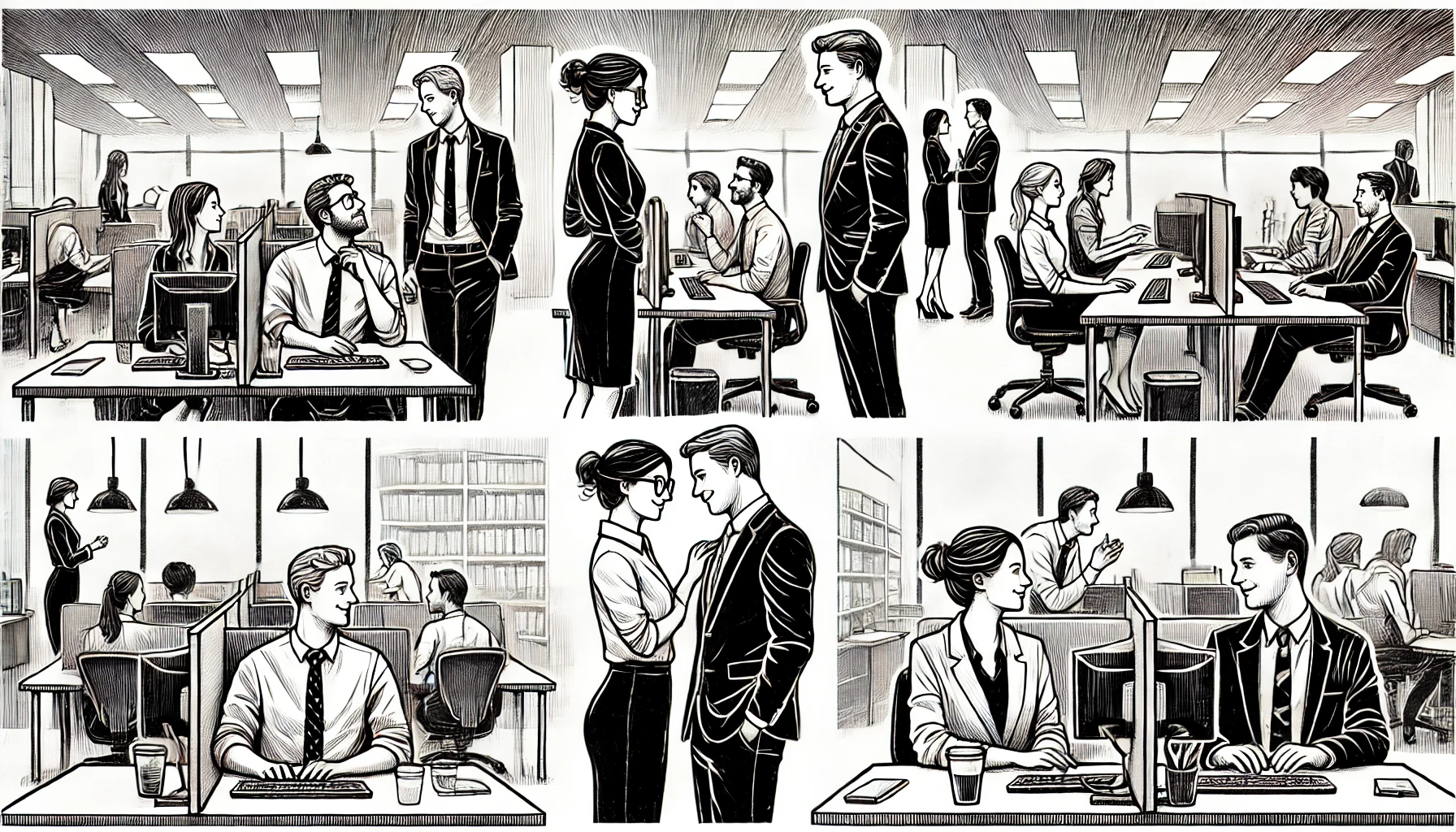
Body language often speaks louder than words, especially in the workplace where verbal expressions of attraction can be subdued or inappropriate. Understanding the subtle, non-verbal signals that indicate romantic interest can help you navigate professional relationships with greater awareness and sensitivity. Body language cues can range from prolonged eye contact to mirroring gestures, each providing insight into a colleague’s feelings. Recognizing these signs can help you understand the dynamics at play and respond appropriately.
Workplace attraction can manifest through various forms of body language that go beyond casual interaction. These clues often reveal a deeper interest, even when someone is trying to maintain a professional demeanor. From subtle physical touches to changes in posture, these non-verbal cues can be telling indicators of someone’s romantic interest. This blog will delve into ten key body language signs that suggest workplace attraction, providing detailed observations and examples to help you discern a colleague’s feelings.
1. Prolonged and Frequent Eye Contact
- Steady Gaze: Maintaining eye contact for longer than usual during conversations.
- Glancing: Frequently looking at you from across the room, especially during meetings or group settings.
- Eye Brightening: Their eyes appear brighter and more engaged when they see you.
- Looking Away: Quickly looking away when you catch them staring, indicating nervousness.
- Pupil Dilation: Dilated pupils can be a sign of attraction, showing increased interest.
2. Mirroring Your Movements
- Gestural Mimicry: They unconsciously mimic your gestures, such as crossing legs or folding arms.
- Postural Echoing: Adopting a similar posture to yours during meetings or casual interactions.
- Speech Patterns: Mirroring your speech pace, tone, or expressions.
- Facial Expressions: Reflecting your facial expressions, such as smiling when you smile.
- Synchrony: Subtle coordination in movements, like walking in step with you.
3. Open and Engaging Posture
- Facing You: Turning their body fully towards you during conversations, indicating focus and interest.
- Uncrossed Arms: Keeping arms open rather than crossed, suggesting openness and comfort.
- Leaning In: Leaning slightly towards you when talking, showing engagement and interest.
- Relaxed Stance: Maintaining a relaxed and approachable posture.
- Feet Pointing: Their feet are often pointed towards you, indicating subconscious interest.
4. Physical Touches
- Accidental Touches: Light, seemingly accidental touches on your arm, shoulder, or back.
- Proximity: Standing or sitting closer to you than to other colleagues.
- Guiding Touches: Lightly guiding you with a touch on the back or arm during movement.
- Handshakes: Prolonged handshakes or using both hands to shake yours.
- Object Touching: Handing objects to you in a way that involves slight physical contact.
5. Nervous and Fidgety Behavior
- Fidgeting: Playing with objects like pens, hair, or clothing when around you.
- Blushing: Reddening of the face or neck area during interactions.
- Sweating: Noticeable sweating, particularly if it’s not warm.
- Trembling: Slight trembling of hands or voice when speaking to you.
- Voice Changes: Changes in voice pitch, becoming softer or more animated.
6. Positive Facial Expressions
- Frequent Smiling: Smiling more often and more genuinely when interacting with you.
- Raised Eyebrows: Raising eyebrows during conversations, a sign of interest.
- Laughter: Laughing at your jokes more than others, even when they’re not particularly funny.
- Eye Crinkles: Genuine smiles that cause crinkles around the eyes.
- Expressive Eyes: Eyes that seem more expressive and lively when they look at you.
7. Preening and Grooming Behaviors
- Adjusting Clothing: Fixing ties, smoothing shirts, or adjusting skirts when you’re near.
- Hair Touching: Running fingers through their hair or adjusting it frequently.
- Checking Appearance: Glancing at reflections to check their appearance when you’re around.
- Lip Biting: Biting or licking lips, a sign of nervousness or attraction.
- Posture Adjustment: Standing or sitting up straighter when you’re present.
8. Frequent and Intentional Proximity
- Close Presence: Finding reasons to be physically close to you, such as sitting next to you in meetings.
- Shared Spaces: Spending more time in shared spaces like break rooms or common areas when you’re there.
- Overlapping Work Areas: Adjusting work schedules or locations to be near you.
- Casual Bumping: Lightly bumping into you in crowded areas, seemingly by accident.
- Extended Interaction: Prolonging interactions or conversations to spend more time with you.
9. Displaying Protective Behaviors
- Defensive Actions: Stepping in to defend you during discussions or conflicts.
- Concern: Showing concern for your well-being, such as asking if you’re okay or need help.
- Physical Shielding: Positioning themselves between you and perceived threats or discomforts.
- Guardedness: Displaying guarded behavior around others but being open with you.
- Taking Care: Offering help or assistance more frequently than with others.
10. Adjusted Communication Patterns
- More Frequent Interactions: Initiating more conversations or interactions than necessary.
- Personal Questions: Asking about your personal life, hobbies, and interests.
- Compliments: Giving compliments on your appearance, work, or personality.
- Teasing: Light-hearted teasing or playful banter.
- Longer Conversations: Keeping conversations going longer than needed, showing a desire to spend more time with you.
Understanding these body language clues can help you navigate workplace attractions with sensitivity and professionalism. Recognizing these signs allows you to gauge a colleague’s feelings without relying on explicit verbal communication. If you sense mutual attraction and are interested in pursuing it, approach the situation with caution and respect for workplace boundaries. Conversely, if the interest is not mutual, it’s important to handle the situation delicately to maintain a positive working relationship.
Conclusion
Body language provides a wealth of information about a person’s feelings and intentions, especially in a professional setting where direct expressions of romantic interest may be inappropriate. By paying attention to subtle cues such as eye contact, physical proximity, and mirroring behaviors, you can better understand your colleagues’ intentions. Navigating these signals with professionalism and respect is crucial to maintaining a healthy work environment. Whether you choose to reciprocate or not, being mindful of these body language clues will help you manage workplace attractions effectively.
By being aware of these non-verbal signals, you can navigate workplace dynamics with greater confidence and insight. Maintaining a respectful and considerate approach will help you handle these situations thoughtfully and appropriately, ensuring a positive and professional work environment for everyone.