
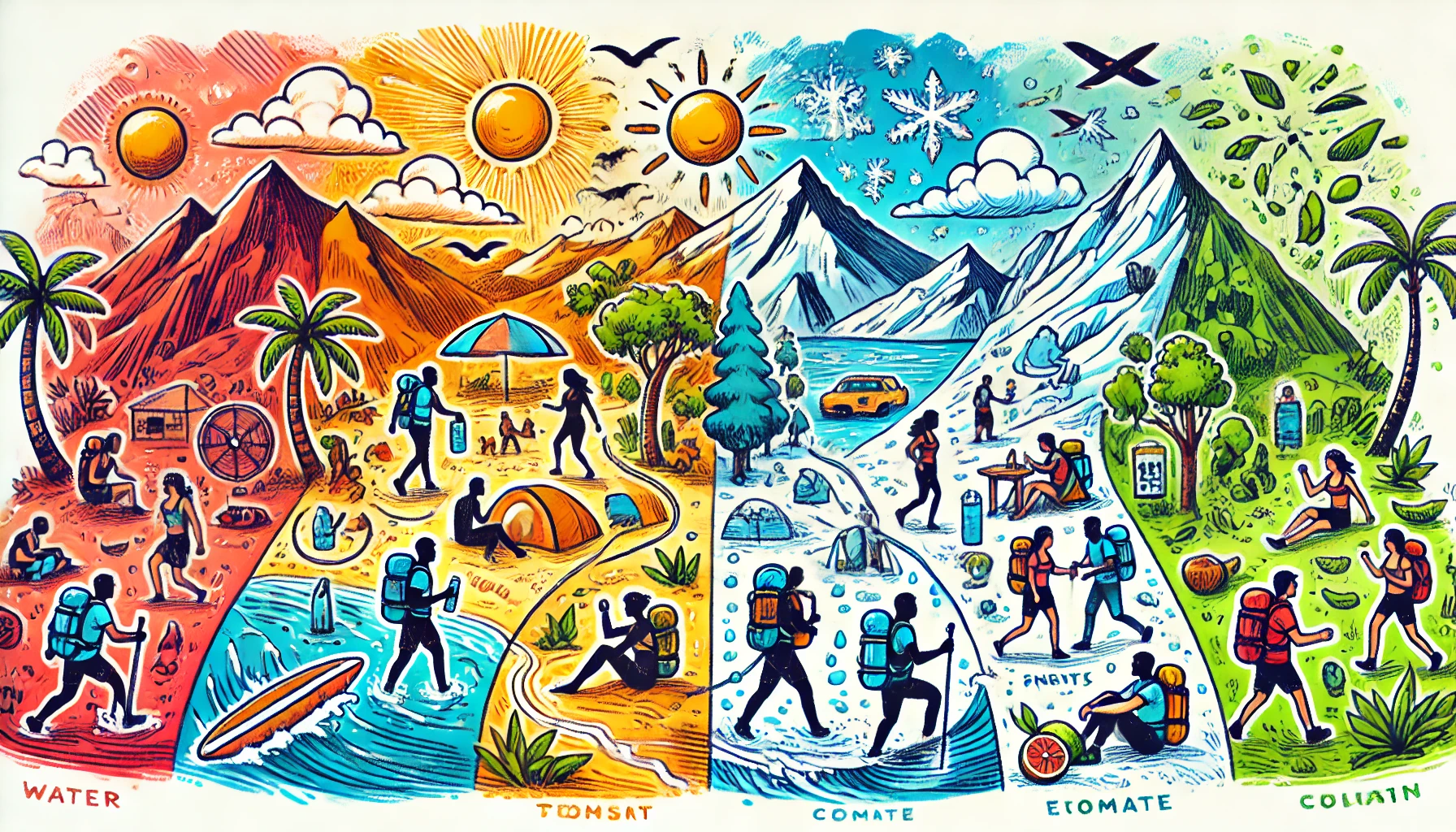
Staying properly hydrated is essential for overall health, but hydration needs can vary significantly depending on the climate you live in. Different weather conditions and temperatures affect how much water your body requires to function optimally. Understanding how to adjust your hydration practices based on the climate can help you maintain proper fluid balance and avoid dehydration. This comprehensive guide provides tailored hydration tips for various climates, ensuring you stay hydrated and healthy, no matter where you are.
Hydration isn’t a one-size-fits-all approach. Whether you’re in a hot, humid environment, a cold and dry climate, or somewhere in between, knowing how to adapt your water intake is crucial. This guide explores the best hydration practices for different climates, offering practical advice to help you meet your hydration needs effectively.
1. Hot and Humid Climates
- Increased Water Intake: In hot and humid conditions, your body sweats more to cool down, leading to increased water loss. Aim to drink at least 3 liters (about 13 cups) of water daily.
- Electrolyte Balance: Sweating causes the loss of electrolytes such as sodium and potassium. Incorporate electrolyte-rich drinks or foods to maintain balance.
- Frequent Sips: Take small sips of water frequently rather than drinking large amounts at once to maintain consistent hydration levels.
- Cooling Methods: Use cooling towels, fans, and air conditioning to reduce sweating and help your body retain fluids.
- Hydrating Foods: Eat water-rich fruits and vegetables such as watermelon, cucumbers, and oranges to supplement your fluid intake.
2. Cold and Dry Climates
- Hydration Awareness: Cold weather can reduce the sensation of thirst, so make a conscious effort to drink water regularly, aiming for at least 2.5 liters (about 10 cups) daily.
- Warm Fluids: Drink warm beverages like herbal teas and broths to stay hydrated and maintain body temperature.
- Humidifiers: Use a humidifier at home to add moisture to the air, which can help prevent dehydration caused by dry indoor heating.
- Layer Up: Wearing multiple layers can help minimize sweat evaporation and reduce fluid loss.
- Monitor Urine Color: Check the color of your urine to ensure proper hydration; light yellow is ideal.
3. High Altitudes
- Increased Hydration Needs: High altitudes increase urine production and fluid loss through respiration. Aim to drink 3 to 4 liters (about 13 to 17 cups) of water daily.
- Gradual Adjustment: Increase your water intake gradually as you ascend to higher altitudes to help your body adjust.
- Electrolyte Drinks: Use electrolyte-enhanced drinks to maintain mineral balance and support hydration.
- Avoid Diuretics: Limit caffeine and alcohol consumption, as they can increase fluid loss and exacerbate dehydration.
- Frequent Breaks: Take regular breaks during physical activities to drink water and prevent altitude sickness.
4. Desert Climates
- High Fluid Intake: In arid desert climates, dehydration risk is high due to extreme heat and low humidity. Aim to drink 3 to 4 liters (about 13 to 17 cups) of water daily.
- Shade and Cool Areas: Seek shade and cool areas to reduce exposure to direct sunlight and minimize sweating.
- Light Clothing: Wear light-colored, loose-fitting clothing to reduce heat absorption and promote sweat evaporation.
- Hydrating Snacks: Carry hydrating snacks like fruit, yogurt, and nuts to support fluid intake on the go.
- Plan Activities: Schedule outdoor activities during cooler parts of the day, such as early morning or late evening.
5. Tropical Climates
- Consistent Hydration: In tropical climates, where temperatures and humidity levels are high, aim to drink at least 3 liters (about 13 cups) of water daily.
- Electrolyte Replacement: Regularly consume electrolyte-rich beverages or foods to replace minerals lost through sweat.
- Frequent Breaks: Take frequent breaks in shaded or air-conditioned areas to cool down and drink water.
- Moisture-Wicking Clothing: Wear moisture-wicking fabrics to help manage sweat and keep your body cool.
- Hydrating Foods: Include tropical fruits like pineapple, mango, and papaya in your diet to boost hydration.
6. Temperate Climates
- Standard Hydration Needs: In temperate climates with moderate temperatures, aim for a standard intake of 2 to 3 liters (about 8 to 13 cups) of water daily.
- Adjust for Activity Levels: Increase water intake on days with higher physical activity or during warmer periods.
- Seasonal Adjustments: Adjust hydration practices seasonally, drinking more in summer and slightly less in winter, but always ensuring adequate intake.
- Routine Monitoring: Regularly monitor your hydration status through urine color and adjust your intake as needed.
- Balanced Diet: Maintain a balanced diet with hydrating foods to support overall fluid intake.
7. Humid Continental Climates
- Hydration Year-Round: In climates with hot summers and cold winters, maintain consistent hydration throughout the year, aiming for 2.5 to 3 liters (about 10 to 13 cups) daily.
- Seasonal Strategies: Increase water intake during hot, humid summers and focus on warm, hydrating beverages during cold winters.
- Indoor Heating: Use humidifiers during winter to counteract the drying effects of indoor heating.
- Active Lifestyle: Adjust hydration based on physical activity, ensuring higher intake on active days.
- Monitor Thirst: Pay attention to thirst cues and adjust your drinking habits accordingly.
8. Monsoon Climates
- Rainy Season Hydration: In regions with heavy monsoon rains, the humidity can be high, but the cooler temperatures may reduce the sensation of thirst. Aim for at least 2.5 liters (about 10 cups) of water daily.
- Safe Drinking Water: Ensure access to clean and safe drinking water, as flooding can contaminate water supplies.
- Avoid Overhydration: Balance water intake to avoid overhydration, especially if physical activity levels are lower during heavy rains.
- Hydration Balance: Use electrolyte-enhanced beverages to maintain mineral balance in humid conditions.
- Diet Considerations: Include hydrating foods and beverages to supplement water intake.
9. Marine Climates
- Moderate Hydration Needs: In marine climates with mild, wet winters and cool summers, maintain a moderate water intake of 2 to 3 liters (about 8 to 13 cups) daily.
- Temperature Adjustments: Adjust your water intake based on seasonal temperature variations and physical activity levels.
- Wet Conditions: Wear moisture-wicking clothing to manage humidity and prevent excessive sweating.
- Hydration During Activity: Ensure adequate hydration during outdoor activities, particularly in warmer weather.
- Balanced Intake: Monitor hydration levels regularly to maintain a balanced fluid intake throughout the year.
10. Urban Climates
- Pollution Considerations: In urban areas with high pollution, drinking enough water helps flush out toxins from the body. Aim for at least 2.5 liters (about 10 cups) daily.
- Office Hydration: Keep a water bottle at your desk and take regular sips throughout the day to stay hydrated while working.
- Public Transportation: Carry a water bottle when commuting to stay hydrated in transit.
- Outdoor Activities: Adjust hydration practices for outdoor activities, considering urban heat islands and increased pollution levels.
- Hydrating Foods: Include fruits and vegetables in your diet to support hydration and overall health.
Adapting your hydration practices to different climates is essential for maintaining optimal health and preventing dehydration. Whether you’re in a hot, humid environment, a cold, dry climate, or anywhere in between, understanding how to adjust your water intake can help you stay hydrated and healthy. Use these tailored hydration tips to meet your body’s fluid needs effectively, ensuring you stay energized and well-hydrated no matter the climate.