
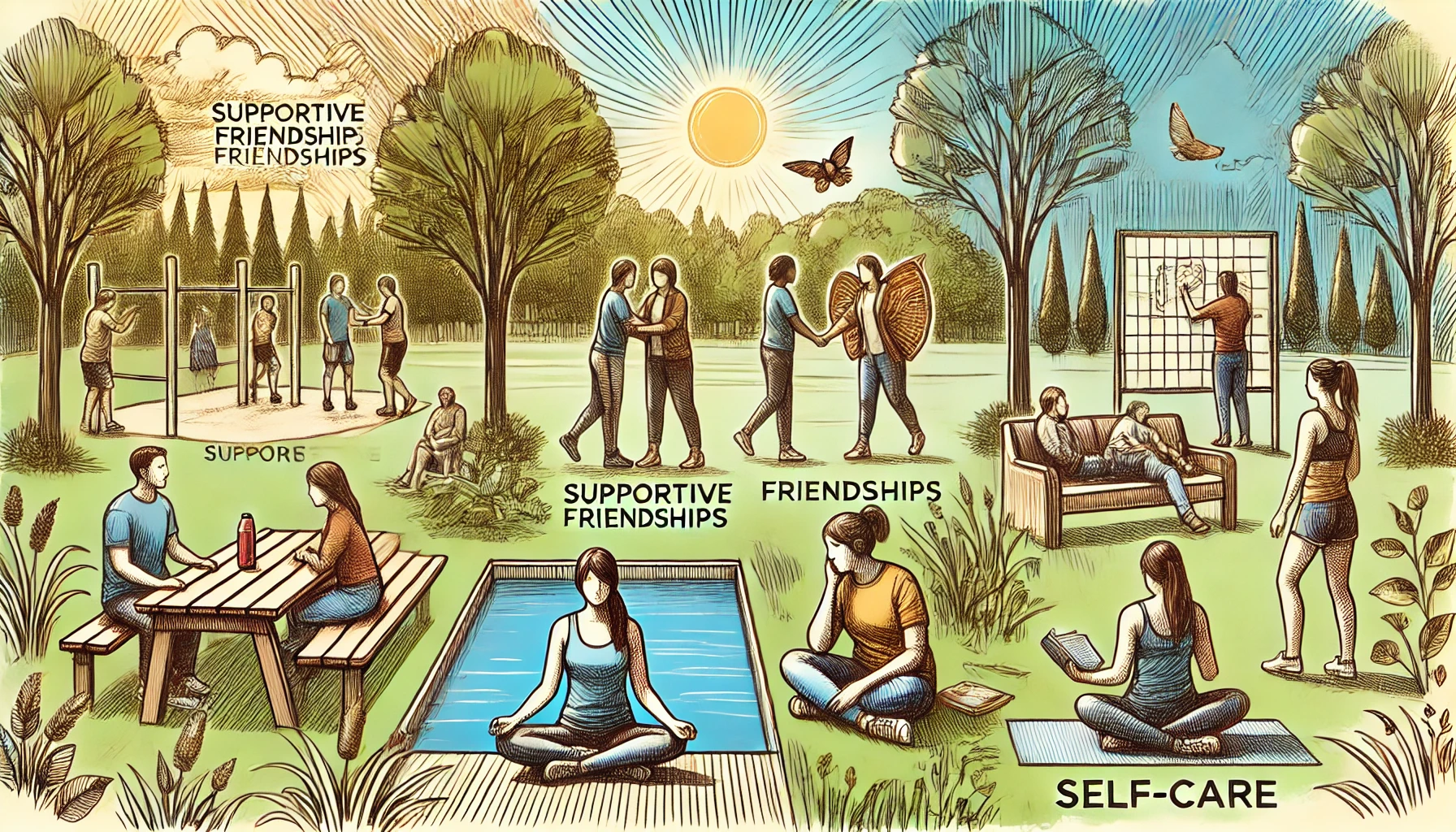
Friendships are a cornerstone of our social lives, providing support, companionship, and joy. However, maintaining a balance between nurturing these relationships and prioritizing self-care can be challenging. Understanding how to harmonize supportive friendships with self-care practices is crucial for overall well-being. This blog explores ten strategies to achieve this balance, offering practical advice for fostering healthy, supportive friendships while ensuring your own mental and emotional health.
In today’s fast-paced world, it’s easy to get caught up in the needs of others, sometimes neglecting our own well-being. However, striking a balance between being a supportive friend and taking care of yourself is essential. The following points delve into various aspects of this balance, drawing from real-life experiences and expert advice to help you maintain healthy relationships without compromising your self-care.
1. Recognize Your Limits
- Understand Personal Boundaries: Clearly identify what you can and cannot handle in terms of emotional support. Knowing your limits helps prevent burnout.
- Communicate Boundaries: Be open with friends about your limits to ensure they understand when you need time for yourself.
- Regular Self-Check-Ins: Frequently assess your own mental and emotional state to recognize when you need a break.
- Prioritize Self-Care: Ensure your self-care practices are non-negotiable parts of your routine.
- Learn to Say No: It’s okay to decline requests for support if you’re feeling overwhelmed.
2. Schedule Time for Self-Care
- Set Dedicated Self-Care Time: Block out specific times in your schedule dedicated to self-care activities.
- Create a Routine: Develop a self-care routine that includes activities like exercise, meditation, or hobbies.
- Balance Social and Alone Time: Make sure your schedule includes a healthy mix of social interactions and personal time.
- Plan Regular Breaks: Ensure you take regular breaks throughout the day to recharge.
- Use Reminders: Set reminders to take care of yourself, especially during busy periods.
3. Foster Mutual Support
- Reciprocal Relationships: Ensure your friendships are reciprocal, where support is given and received equally.
- Check on Each Other: Regularly check in on your friends’ well-being and encourage them to do the same for you.
- Share Responsibilities: When supporting a friend through a tough time, share the responsibility with other mutual friends to prevent overburdening yourself.
- Encourage Self-Care: Promote self-care practices among your friends as well.
- Develop a Support Network: Build a network of friends who can support each other, reducing the load on any single person.
4. Set Healthy Boundaries
- Define Boundaries: Clearly define your personal boundaries in terms of time, emotional support, and personal space.
- Respect Boundaries: Respect your friends’ boundaries and expect them to respect yours in return.
- Communicate Clearly: Use clear and direct communication to express your boundaries.
- Adjust as Needed: Be flexible and willing to adjust boundaries as circumstances change.
- Reinforce Boundaries: Politely but firmly reinforce your boundaries if they are crossed.
5. Practice Mindfulness and Self-Reflection
- Mindfulness Practices: Engage in mindfulness practices like meditation to stay grounded and aware of your own needs.
- Reflect on Interactions: Regularly reflect on your interactions with friends to ensure they are healthy and balanced.
- Identify Stressors: Identify what aspects of your friendships might be causing stress or anxiety.
- Stay Present: Focus on being present in your interactions, avoiding multitasking that can lead to burnout.
- Evaluate Needs: Regularly evaluate your own needs and ensure they are being met.
6. Seek Professional Help When Needed
- Therapy: Consider therapy to help manage stress and develop coping strategies.
- Counseling: Utilize counseling services to navigate complex friendship dynamics.
- Support Groups: Join support groups to share experiences and gain insights from others facing similar challenges.
- Mental Health Resources: Make use of available mental health resources to maintain your well-being.
- Encourage Friends: Encourage friends to seek professional help if they are struggling, relieving some of the pressure on your friendship.
7. Prioritize Communication
- Open Dialogue: Maintain open and honest communication with friends about your needs and limits.
- Express Concerns: Don’t hesitate to express concerns if you feel overwhelmed or unsupported.
- Regular Updates: Keep friends updated on your availability and mental state to avoid misunderstandings.
- Active Listening: Practice active listening to understand your friends’ needs while also ensuring your own voice is heard.
- Problem-Solving Together: Work together to find solutions that work for both parties.
8. Engage in Joint Self-Care Activities
- Shared Interests: Engage in activities that both you and your friends enjoy, promoting mutual well-being.
- Wellness Activities: Participate in wellness activities together, such as yoga, meditation, or exercise classes.
- Relaxation Time: Schedule relaxation time with friends, such as spa days or movie nights.
- Healthy Challenges: Set healthy challenges together, like fitness goals or mindfulness practices.
- Mutual Encouragement: Encourage each other to maintain healthy habits and self-care routines.
9. Balance Giving and Receiving Support
- Equitable Support: Ensure that support in the friendship is balanced and not one-sided.
- Ask for Help: Don’t hesitate to ask friends for support when you need it.
- Acknowledge Support: Acknowledge and appreciate the support you receive from friends.
- Reciprocate Thoughtfully: Be mindful of reciprocating support in ways that align with your capacity.
- Gratitude Practices: Practice gratitude for the support you receive, which can strengthen the bond.
10. Embrace Flexibility
- Adapt to Changes: Be flexible and willing to adapt as circumstances and needs change.
- Accept Imperfections: Understand that both you and your friends will have good and bad days.
- Adjust Expectations: Adjust your expectations to be realistic and manageable.
- Learn from Experiences: Learn from past experiences to improve future interactions.
- Maintain Balance: Continuously strive to maintain a balance between being supportive and prioritizing self-care.
Conclusion
Balancing supportive friendships with self-care is a delicate but essential task. By recognizing your limits, scheduling time for self-care, fostering mutual support, and setting healthy boundaries, you can ensure that your relationships are healthy and balanced. Mindfulness, professional help, open communication, joint self-care activities, balanced support, and flexibility are all key strategies to achieve this balance.
Prioritizing self-care does not mean neglecting your friends; it means being the best version of yourself so you can offer genuine support. Healthy friendships are those where both parties feel supported and valued. By implementing these strategies, you can nurture your friendships while also taking care of your mental and emotional well-being.