
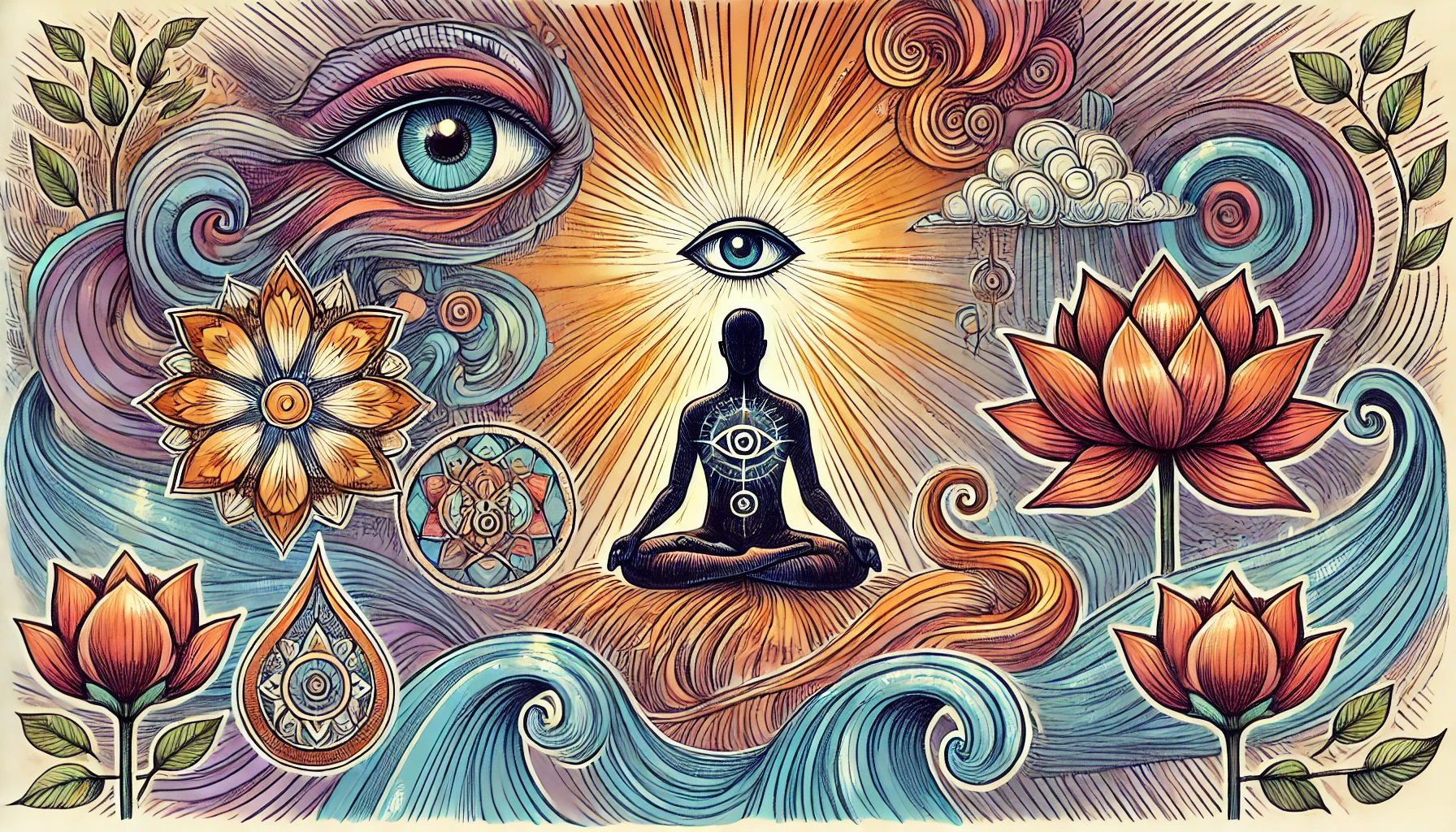
Vipassana Meditation, often referred to as “insight meditation,” is a practice rooted in Buddhist traditions that emphasizes deep self-awareness and understanding the true nature of reality. It is one of the oldest forms of meditation, dating back over 2,500 years, and it focuses on observing the mind and body in a non-reactive way. Unlike other forms of meditation that might focus on concentration or relaxation, Vipassana encourages practitioners to observe their thoughts and sensations with clarity and equanimity. This process helps develop insight into impermanence, suffering, and the self, ultimately leading to greater mental clarity, emotional balance, and spiritual growth.
In this beginner’s guide, we will explore the fundamentals of Vipassana meditation, its key principles, and how you can start practicing this powerful method for cultivating insight and self-awareness.
1. What Is Vipassana Meditation?
- Definition: Vipassana, which means “insight” or “clear seeing,” is a form of meditation that involves observing your thoughts, feelings, and bodily sensations as they arise without attachment or judgment. The practice is designed to develop a deep awareness of the impermanence of all things, including the ever-changing nature of the mind and body.
- Goal: The ultimate goal of Vipassana is to gain a deeper understanding of reality by seeing things as they truly are, leading to self-liberation from mental suffering. It encourages insight into the three key aspects of existence: impermanence (Anicca), suffering (Dukkha), and non-self (Anatta).
- Mindfulness and Equanimity: Vipassana fosters both mindfulness (Sati) and equanimity (Upekkha), allowing you to observe without reacting, helping you respond to life’s challenges with more calm and wisdom.
2. The Origins of Vipassana Meditation
- Buddhist Roots: Vipassana meditation is closely associated with Buddhist teachings, specifically those of Gautama Buddha, who taught this method as a way to attain liberation through understanding the true nature of reality.
- The Satipatthana Sutta: One of the key texts in Buddhist tradition, the Satipatthana Sutta, outlines the practice of mindfulness and insight meditation. It serves as a guide for cultivating awareness of the body, feelings, mind, and mental phenomena.
- Global Spread: Vipassana was traditionally practiced in Buddhist monasteries but was introduced to the wider world in the 20th century by teachers like S.N. Goenka, who popularized 10-day Vipassana retreats. Today, Vipassana meditation is widely practiced around the world, both in traditional religious contexts and secular settings.
3. How Does Vipassana Meditation Work?
- Body and Mind Observation: Vipassana involves paying close attention to the breath, bodily sensations, and mental activities. The goal is to observe these without reacting, which helps cultivate insight into the transient nature of all experiences.
- Breath Awareness: The practice often begins with focusing on the breath to anchor the mind and develop concentration. Once the mind is calm, you shift your awareness to other physical sensations, such as tingling, itching, or temperature changes.
- Mental Observations: As thoughts, emotions, or memories arise, you observe them non-judgmentally. Instead of trying to control or eliminate thoughts, you let them come and go naturally, which helps you see how fleeting and impermanent they are.
- Non-Attachment: A key aspect of Vipassana is to observe everything without becoming attached to pleasant sensations or averse to unpleasant ones. Over time, this practice leads to a deep understanding of how our attachments and aversions cause suffering.
4. Key Principles of Vipassana Meditation
1. Impermanence (Anicca)
- Vipassana teaches that everything in life is impermanent, including thoughts, emotions, and physical sensations. By observing this impermanence, you learn to let go of attachments and desires that often lead to suffering.
- As you practice, you notice how sensations, thoughts, and feelings constantly change, which helps you become less reactive to both pleasant and unpleasant experiences.
2. Suffering (Dukkha)
- The practice of Vipassana helps you recognize that clinging to impermanent things—whether they are experiences, people, or desires—leads to suffering. By developing insight into the nature of suffering, you learn to release your attachments and expectations.
- This awareness promotes emotional balance and reduces the tendency to be affected by life’s ups and downs.
3. Non-Self (Anatta)
- Vipassana meditation fosters the understanding that there is no permanent, unchanging self. Our sense of identity is made up of fleeting thoughts, emotions, and sensations, none of which are enduring or fixed.
- As you meditate, you begin to see that these experiences are not “you,” which helps cultivate a sense of peace and detachment from the ego.
5. Benefits of Vipassana Meditation
1. Cultivates Deep Self-Awareness
- Vipassana meditation helps you develop self-awareness by encouraging you to observe your thoughts, emotions, and sensations without reacting. This deeper level of self-awareness enables you to see your habitual patterns and automatic responses more clearly.
- Over time, this insight helps you become more conscious of your actions, leading to better decision-making and a more mindful approach to life.
2. Reduces Emotional Reactivity
- By practicing non-reactive awareness, Vipassana meditation allows you to become less affected by negative emotions like anger, fear, or sadness. Instead of reacting impulsively, you can observe these emotions and let them pass, fostering greater emotional resilience.
- This reduction in emotional reactivity helps improve your relationships, reduces stress, and enhances overall well-being.
3. Improves Focus and Concentration
- Vipassana meditation involves sustained attention on the breath and bodily sensations, which naturally enhances concentration and focus. This increased mental clarity carries over into daily activities, making it easier to stay present and engaged.
- Practitioners often report better focus in work, study, and personal tasks due to the concentration cultivated through Vipassana.
4. Promotes Inner Peace and Calm
- By learning to accept the present moment without attachment or resistance, Vipassana fosters a deep sense of inner peace. Over time, this practice helps you maintain a calm and balanced state of mind, even in challenging situations.
- As you develop equanimity toward both pleasant and unpleasant experiences, life’s inevitable stressors become less overwhelming.
5. Encourages Personal Growth and Transformation
- Vipassana meditation is a path of personal transformation, leading to greater self-understanding, compassion, and emotional freedom. As you gain insight into your mental and emotional patterns, you can make conscious changes that align with your values and goals.
- This self-awareness leads to growth in various areas of life, from how you manage stress to how you interact with others.
6. How to Practice Vipassana Meditation: A Step-by-Step Guide
1. Find a Quiet Space
- Sit in a quiet, comfortable place where you won’t be disturbed. You can sit on a cushion, a chair, or the floor. Maintain an upright posture, but stay relaxed. Close your eyes to minimize distractions.
2. Focus on Your Breath
- Begin by focusing your attention on your breath, noticing the sensation of the air entering and leaving your nostrils. The breath serves as an anchor to calm the mind and develop concentration.
- If your mind starts to wander, gently bring your attention back to the breath without judgment.
3. Shift Awareness to Body Sensations
- After a few minutes of focusing on the breath, expand your awareness to the physical sensations in your body. Slowly scan your body from head to toe, noticing any sensations, such as warmth, tension, or tingling.
- Observe these sensations without labeling them as “good” or “bad.” Simply notice them as they arise and pass.
4. Observe Thoughts and Emotions
- As thoughts, emotions, or memories arise, observe them without getting involved in the content. Allow them to come and go naturally, recognizing their impermanence.
- You may notice how emotions manifest physically (e.g., tightness in the chest with anxiety). The goal is to observe without reacting.
5. Maintain Non-Attachment
- Throughout the practice, maintain an attitude of non-attachment. Don’t cling to pleasant sensations or try to push away unpleasant ones. This helps develop equanimity and insight into the transient nature of all experiences.
6. Gradually Increase Duration
- Start with shorter sessions, such as 10 or 15 minutes, and gradually work your way up to longer sessions. Some experienced Vipassana practitioners meditate for an hour or more, but consistency is more important than duration.
7. Common Challenges and How to Overcome Them
1. Restlessness or Boredom
- It’s normal to feel restless or bored during meditation, especially when you’re first starting. Recognize these feelings as part of the practice and gently bring your focus back to your breath or body sensations.
2. Difficulty Observing Without Reacting
- One of the challenges of Vipassana is observing sensations and emotions without reacting to them. Over time, you’ll develop the ability to watch them with greater detachment. Be patient with yourself and keep practicing.
3. Mind Wandering
- The mind will naturally wander, especially in the beginning. When this happens, gently guide your attention back to the breath or your body without self-criticism. The act of bringing your mind back is a key part of the practice.
Conclusion: Why Vipassana Meditation Matters
Vipassana meditation is a profound practice that offers a path to deeper self-awareness, emotional balance, and personal transformation. By observing the true nature of thoughts, emotions, and sensations, you can develop insights into impermanence, suffering, and the self. As a beginner, it’s essential to approach Vipassana with patience and consistency, gradually building your practice over time. With regular practice, Vipassana can help you cultivate mindfulness, reduce stress, and foster a greater sense of peace and equanimity in your daily life.