
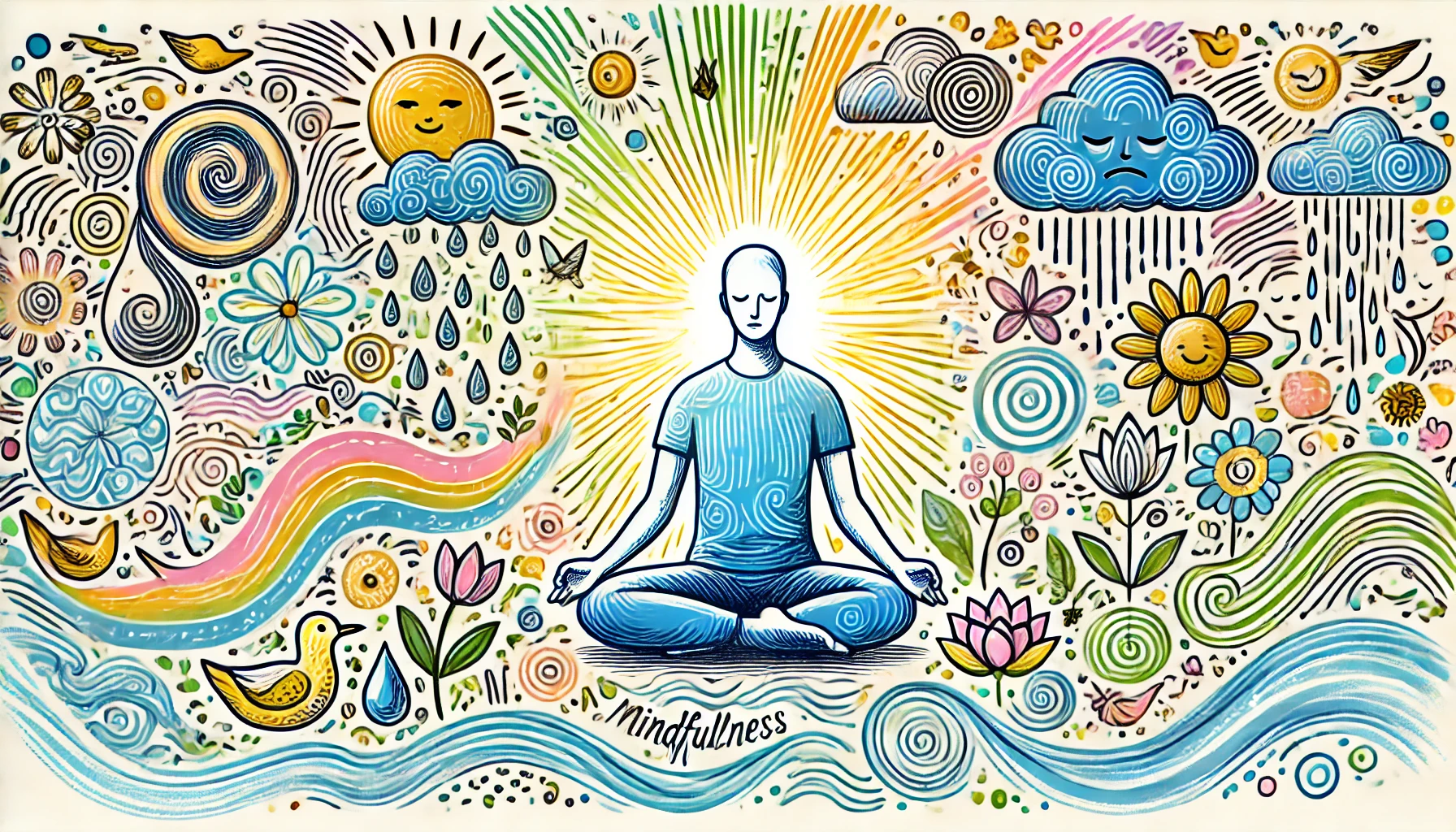
Mindfulness has become an essential tool for managing stress and anxiety in modern life. As the pressures of daily routines, work, and personal life continue to grow, many people are turning to mindfulness practices to find balance and calm. Mindfulness is the art of focusing on the present moment, acknowledging thoughts and feelings without judgment. It encourages a deeper connection to the current experience, allowing individuals to gain greater control over how they react to stress. Mindfulness doesn’t require special tools or extensive training, making it accessible to anyone looking to cultivate a sense of peace.
The practice of mindfulness helps break the cycle of stress and anxiety by promoting awareness and self-regulation. In a fast-paced world, it’s easy to get caught up in a whirlwind of negative emotions and overwhelming thoughts. Mindfulness teaches us to pause, observe these thoughts, and choose how we respond rather than react impulsively. This shift from reaction to thoughtful response reduces the intensity of stressful situations. Over time, consistent mindfulness practice can reshape how the brain processes stress, leading to a more relaxed and positive outlook.
1. Enhances Emotional Regulation
- Mindfulness encourages self-awareness, which allows individuals to notice emotions as they arise, giving them a chance to pause before reacting.
- By focusing on the present, mindfulness helps prevent dwelling on past mistakes or future anxieties, both of which often heighten stress.
- Mindfulness practices, such as meditation, teach individuals to sit with their emotions without judgment, leading to a more balanced emotional state.
- Increased emotional control through mindfulness can result in fewer stress-induced conflicts and negative interactions with others.
- Over time, mindfulness rewires the brain, strengthening areas associated with emotional regulation, making it easier to manage stress in the long term.
2. Reduces Physiological Stress Responses
- Mindfulness helps activate the parasympathetic nervous system, also known as the “rest and digest” system, reducing the fight-or-flight response that contributes to anxiety.
- Slower breathing during mindfulness exercises signals to the body that it is safe, lowering heart rate and blood pressure.
- By regularly practicing mindfulness, individuals can decrease the production of cortisol, the hormone associated with stress, leading to better overall health.
- Mindfulness exercises, such as body scans, allow individuals to detect physical signs of stress early, making it easier to address tension before it escalates.
- Long-term mindfulness practice can lead to decreased inflammation in the body, which is often linked to chronic stress and anxiety.
3. Improves Focus and Concentration
- Mindfulness teaches individuals to focus on a single task, improving concentration and reducing distractions that contribute to stress.
- By being fully present during tasks, mindfulness practitioners often experience increased productivity, reducing the anxiety caused by incomplete work.
- Practicing mindfulness for a few minutes each day can enhance cognitive abilities, such as memory and decision-making, which are often impaired during stressful periods.
- The ability to manage distractions leads to a more structured and calm approach to problem-solving, reducing the stress of feeling overwhelmed.
- Mindfulness helps break the cycle of multitasking, which is a major contributor to workplace stress and burnout.
4. Fosters a Positive Outlook
- Regular mindfulness practice encourages positive thinking, as individuals learn to focus on the good in the present rather than worrying about the future.
- Mindfulness helps individuals practice gratitude, which has been shown to reduce stress and increase feelings of well-being.
- By fostering a non-judgmental attitude, mindfulness allows individuals to be kinder to themselves, reducing self-criticism, which is a major source of stress.
- Mindful individuals tend to have better self-esteem, as they focus on their strengths rather than their perceived shortcomings.
- The positive mental shift from mindfulness often leads to improved relationships, as individuals become more patient, understanding, and less reactive.
5. Promotes Better Sleep
- Mindfulness practices, such as mindful breathing, can help calm the mind before bed, making it easier to fall asleep.
- Reducing the cycle of anxious thoughts through mindfulness leads to a quieter mind, allowing for deeper and more restorative sleep.
- Mindfulness improves the body’s ability to relax, leading to a lower likelihood of insomnia caused by stress.
- By focusing on the present, mindfulness helps individuals avoid worrying about the next day, a common source of sleeplessness.
- Long-term mindfulness practice can lead to healthier sleep patterns, which in turn reduces stress and improves overall health.
6. Strengthens Interpersonal Relationships
- Mindfulness helps improve communication, as individuals become better listeners, focusing fully on the other person without distractions.
- Practicing mindfulness in relationships allows for more empathy and understanding, reducing conflicts that can cause stress.
- By remaining present during conversations, individuals are less likely to make assumptions or jump to conclusions, preventing misunderstandings.
- Mindful individuals tend to be more patient, which leads to healthier and less stressful interactions with others.
- Mindfulness fosters compassion, helping people respond to others’ stress with kindness rather than frustration, improving the overall quality of relationships.
7. Encourages Self-Compassion
- Mindfulness teaches individuals to treat themselves with kindness, reducing the internal stress caused by self-criticism.
- Self-compassion cultivated through mindfulness helps individuals recover more quickly from setbacks, reducing the stress of failure.
- By focusing on self-care during mindfulness practices, individuals learn to prioritize their mental and emotional well-being, which leads to lower stress levels.
- Mindfulness helps individuals accept their imperfections, leading to a healthier self-image and reduced anxiety about meeting unrealistic expectations.
- Regular mindfulness practice creates a buffer against the harmful effects of perfectionism, a common driver of stress and anxiety.
8. Develops Resilience to Stress
- Mindfulness strengthens the ability to cope with stress, as individuals learn to stay calm and centered during challenging situations.
- The practice of observing thoughts and emotions without attachment makes it easier to navigate difficult experiences without becoming overwhelmed.
- Over time, mindfulness helps individuals build mental resilience, allowing them to bounce back from stress more quickly.
- Mindfulness increases tolerance for discomfort, reducing the panic and anxiety that can arise during stressful times.
- Practicing mindfulness regularly creates a foundation of mental and emotional stability, reducing the overall impact of stress on one’s life.
9. Improves Decision-Making
- Mindfulness improves cognitive clarity, allowing for better decision-making under pressure, which reduces stress associated with uncertainty.
- By focusing on the present moment, individuals make more thoughtful and deliberate decisions rather than impulsive ones driven by anxiety.
- Mindful decision-makers tend to weigh options more carefully, leading to outcomes that cause less regret and stress later on.
- Mindfulness helps reduce fear-based decision-making, leading to choices that align better with long-term goals and values.
- Through mindfulness, individuals develop a sense of calm, enabling them to handle high-pressure situations with greater poise and less stress.
10. Encourages a Balanced Lifestyle
- Mindfulness encourages individuals to make healthier choices, such as regular exercise, balanced eating, and sufficient rest, all of which reduce stress.
- Mindful individuals are more likely to notice early signs of burnout, allowing them to take steps to restore balance before stress becomes overwhelming.
- By focusing on balance and moderation, mindfulness practitioners avoid the extremes that can lead to physical and mental exhaustion.
- Mindfulness promotes regular self-reflection, helping individuals reassess their priorities and reduce stress by aligning actions with values.
- Over time, mindfulness leads to a more harmonious lifestyle, where work, relationships, and self-care are more evenly balanced, reducing chronic stress.
In conclusion, mindfulness serves as a powerful tool for managing stress and anxiety. By encouraging present-moment awareness and self-compassion, it empowers individuals to respond to stress thoughtfully rather than react impulsively. Over time, mindfulness can reshape how the brain processes stress, leading to long-term benefits for mental, emotional, and even physical health. Its accessibility and simplicity make it a valuable resource for anyone looking to cultivate calmness in their daily lives.