
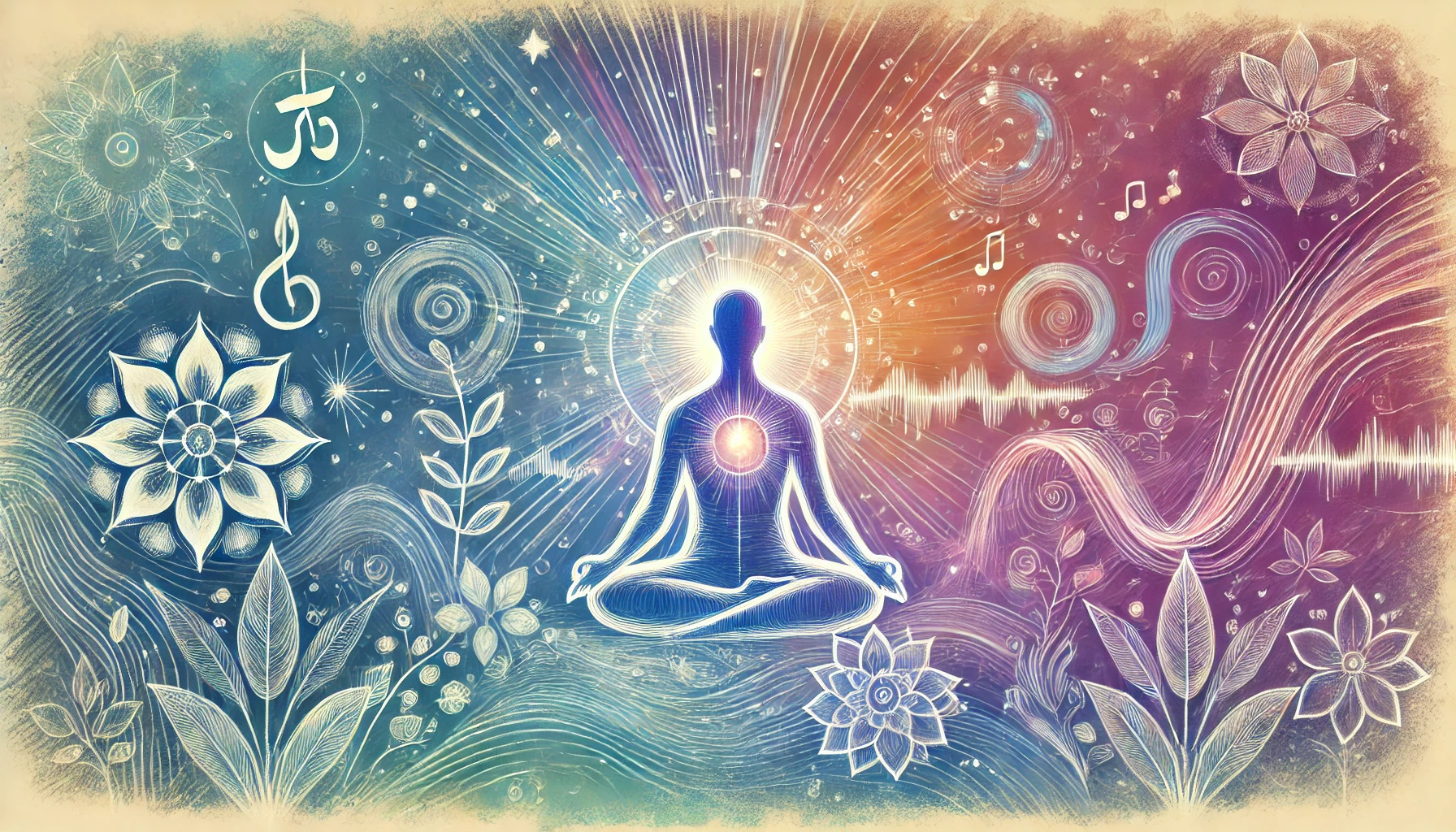
Mantra meditation is a powerful form of meditation that uses the repetition of a word, phrase, or sound (known as a mantra) to focus the mind and achieve deeper states of concentration and self-awareness. This practice has been a core element of various spiritual traditions, particularly in Hinduism and Buddhism, but it has also gained popularity in modern secular mindfulness practices. The mantra, often chosen for its meaning, vibration, or spiritual significance, acts as an anchor that helps guide the practitioner into a state of calm and mental clarity. Over time, mantra meditation can enhance focus, reduce stress, and promote a sense of inner peace.
In this blog, we will explore what mantra meditation is, how it works, and how you can practice it to experience its transformative benefits. Whether you’re new to meditation or looking to deepen your existing practice, mantra meditation offers a simple yet profound way to cultivate mindfulness and self-awareness.
1. What Is Mantra Meditation?
- Definition: Mantra meditation is a type of meditation that involves silently or audibly repeating a word, phrase, or sound to help focus the mind and enter a deeper state of consciousness. The repeated mantra serves as a point of focus, helping to still the mind and reduce mental distractions.
- Origins: Mantra meditation has ancient roots, particularly in Vedic traditions of India and in Buddhism. The word “mantra” comes from Sanskrit, where “man” means mind and “tra” means tool or instrument. Thus, a mantra is often described as a tool for directing and focusing the mind.
- Purpose: The primary goal of mantra meditation is to cultivate focus, clarity, and inner peace. The repetition of the mantra helps quiet the mind, making it easier to transcend ordinary thoughts and distractions, leading to a meditative state.
2. How Does Mantra Meditation Work?
- The Power of Repetition: In mantra meditation, the repeated sound or phrase helps create a rhythmic focus that calms the mind and minimizes distractions. As the mantra is repeated, it becomes a mental focal point, which helps practitioners detach from wandering thoughts and enter a more centered state.
- Vibration and Sound: The vibration of certain mantras is believed to have a calming effect on both the mind and body. For example, the mantra “Om” is considered to represent the primordial sound of the universe and is often used to align one’s energy with the cosmos. The vibrational quality of the sound may help soothe the nervous system.
- Mantras with Meaning: In many cases, mantras carry significant spiritual or personal meaning. For example, in Buddhist practices, the mantra “Om Mani Padme Hum” is associated with compassion and the intention to benefit all beings. Other mantras might be chosen for their positive affirmations or personal relevance to the practitioner.
3. Common Mantras Used in Meditation
1. Om
- Pronunciation: Aum or Om
- Meaning: The primordial sound of the universe, symbolizing the unity of all things.
- Significance: “Om” is one of the most sacred mantras in Hinduism and Buddhism. It is believed to represent the creation, preservation, and dissolution of the universe. Chanting this mantra aligns the practitioner with the universal vibration, promoting a deep sense of connection and peace.
2. So Hum
- Pronunciation: Soh-hum
- Meaning: “I am that” or “I am one with the universe.”
- Significance: This mantra is often used in breath-focused meditation. As you inhale, you silently repeat “So,” and as you exhale, you repeat “Hum.” This mantra reminds practitioners of their inherent connection to the greater universe and encourages a state of calm and unity.
3. Om Mani Padme Hum
- Pronunciation: Om Mah-Nee Pad-Mae Hoom
- Meaning: “The jewel is in the lotus.”
- Significance: A central mantra in Tibetan Buddhism, this mantra is associated with the cultivation of compassion and enlightenment. Each syllable of the mantra is believed to purify different aspects of the practitioner’s mind, body, and spirit.
4. Lokah Samastah Sukhino Bhavantu
- Pronunciation: Lo-kah Sah-mah-stah Soo-kee-no Bha-vahn-too
- Meaning: “May all beings everywhere be happy and free.”
- Significance: This mantra is often used to promote feelings of love, compassion, and kindness toward all beings. It’s a popular mantra for those looking to spread peace and positivity to the world.
5. Shanti
- Pronunciation: Shahn-tee
- Meaning: Peace
- Significance: Repeating the word “Shanti” (peace) is used to cultivate a sense of inner and outer peace. It’s often chanted at the end of a meditation session to promote tranquility and balance.
4. Benefits of Mantra Meditation
1. Reduces Stress and Anxiety
- The repetitive nature of mantra meditation helps calm the mind and shift attention away from stress-inducing thoughts. By focusing on a soothing sound or phrase, the mind gradually quiets down, reducing mental noise and promoting relaxation.
- Studies have shown that mantra meditation can reduce cortisol levels, which are associated with stress, leading to a calmer and more peaceful state of mind.
2. Improves Concentration and Focus
- Mantra meditation strengthens concentration by training the mind to focus on a single point—the mantra. This focus enhances mental clarity and helps eliminate distractions, making it easier to stay present in daily tasks.
- Over time, this practice improves the brain’s ability to focus on tasks for longer periods, which can increase productivity and cognitive performance.
3. Promotes Emotional Well-Being
- Regular practice of mantra meditation can help increase emotional resilience. The calming effect of mantra repetition allows the practitioner to experience emotional balance and regulate their responses to challenging situations.
- Mantras with positive meanings or affirmations can also help shift negative thought patterns and encourage a more positive outlook.
4. Enhances Self-Awareness and Insight
- By silencing mental chatter, mantra meditation creates space for deeper self-reflection and insight. As the mind becomes quieter, you gain greater clarity into your thoughts, emotions, and inner processes, leading to increased self-awareness.
- This heightened awareness can contribute to personal growth, allowing you to understand your mind more deeply and make conscious changes in your life.
5. Deepens Spiritual Connection
- For many, mantra meditation is a spiritual practice that helps deepen their connection to a higher power, the universe, or their inner self. Mantras are often imbued with spiritual significance, which can help practitioners feel more aligned with their spiritual goals.
- Repeating mantras like “Om” or “Om Mani Padme Hum” may foster a sense of unity with the cosmos, promoting a deeper connection to the universal energy.
5. How to Practice Mantra Meditation: A Step-by-Step Guide
1. Choose a Mantra
- Select a mantra that resonates with you. It could be a traditional Sanskrit mantra like “Om” or something more personal, such as an affirmation like “I am calm” or “I am enough.” The mantra should be easy to repeat and feel meaningful or soothing to you.
2. Find a Quiet Space
- Choose a quiet and comfortable place where you won’t be disturbed. You can sit on a chair, cushion, or on the floor with your back straight. Keep your hands resting in your lap or on your knees.
3. Set an Intention
- Before you begin, set an intention for your meditation session. This could be something as simple as calmness, focus, or self-compassion. Having an intention helps guide your practice and enhances its impact.
4. Begin Repeating the Mantra
- Close your eyes, take a few deep breaths, and begin repeating your mantra silently or out loud. If you’re repeating the mantra silently, focus on the internal sound or vibration it creates in your mind.
- As you repeat the mantra, synchronize it with your breath—you might repeat it once on the inhale and once on the exhale. Keep the repetition gentle and rhythmic.
5. Focus and Refocus
- Throughout the meditation, your mind will likely wander. When this happens, gently bring your focus back to the mantra without frustration. The process of refocusing is a natural part of meditation, so approach it with patience.
6. Continue for a Set Period
- Start with 5-10 minutes of practice, and gradually work up to 20-30 minutes as you become more comfortable. You may use a timer to track the duration of your session.
7. End with Silence
- When you’re ready to end the meditation, stop repeating the mantra and sit in silence for a few moments. Focus on your breath, and allow your mind to absorb the calm, centered energy you’ve cultivated.
6. Tips for Successful Mantra Meditation Practice
- Consistency: Like any meditation practice, mantra meditation is most effective when done consistently. Try to set aside time each day for your practice, even if it’s just for a few minutes.
- Start Simple: Choose a mantra that feels simple and easy to repeat, especially if you’re new to meditation. Over time, you can explore more complex mantras or experiment with different sounds.
- Be Patient: It’s natural for your mind to wander during meditation. Instead of getting frustrated, gently guide your focus back to the mantra. The goal is not to achieve perfect concentration but to practice bringing your awareness back.
- Experiment with Sound: You can experiment with chanting your mantra silently or out loud to see which resonates more deeply. Some people find the vocal vibration enhances their sense of calm, while others prefer the quiet, internal focus of silent repetition.
Conclusion: Why Mantra Meditation Matters
Mantra meditation is a simple yet profound practice that can help calm the mind, improve focus, and deepen your connection to yourself and the universe. By repeating a mantra, you can shift your attention away from distractions, allowing you to experience greater clarity, emotional balance, and inner peace. Whether you choose a traditional mantra with spiritual significance or a personal affirmation, mantra meditation offers a powerful tool for cultivating mindfulness, reducing stress, and enhancing your overall well-being.