
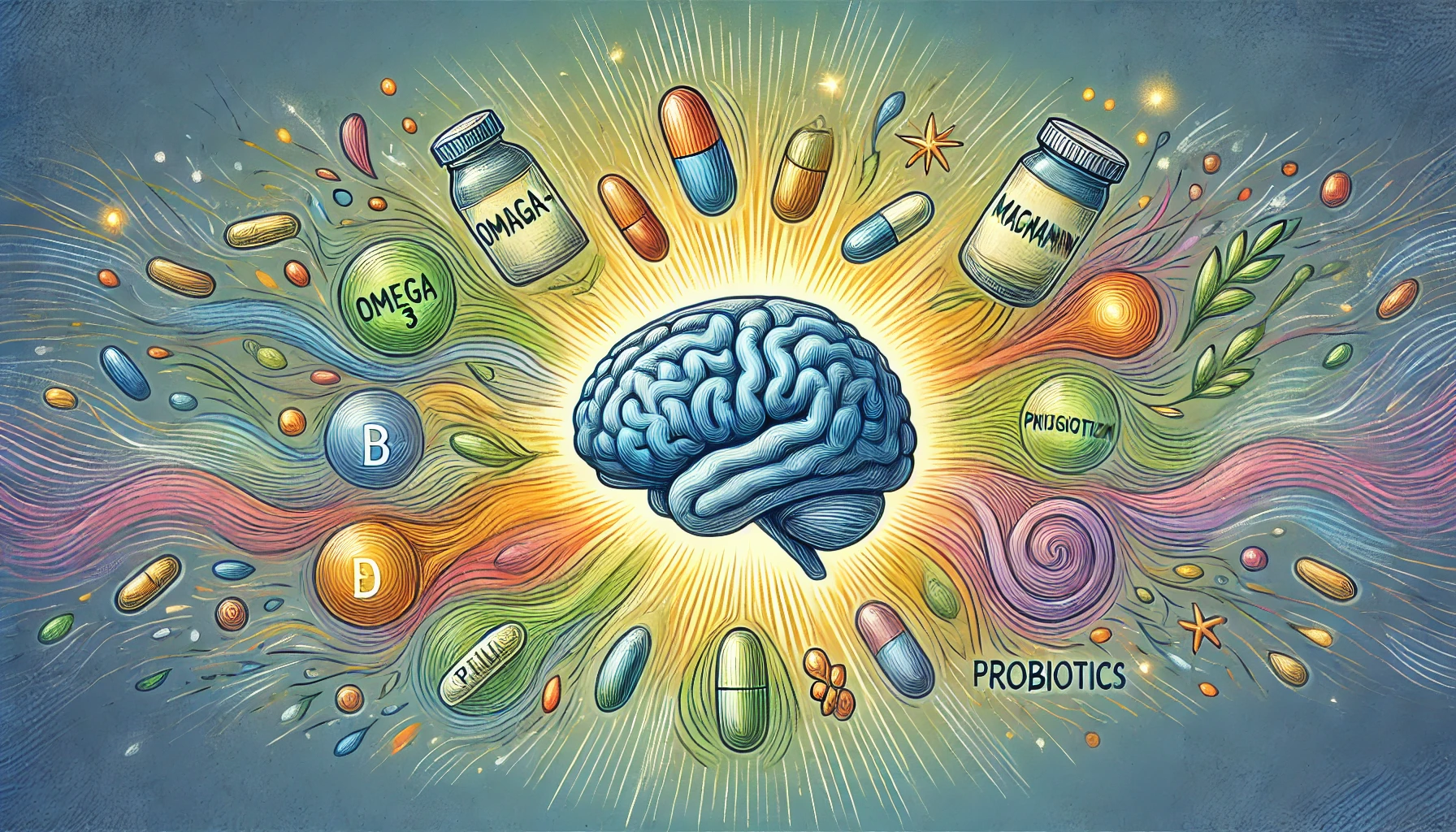
Mental health is influenced by a variety of factors, including genetics, lifestyle, environment, and nutrition. While a well-balanced diet is crucial for supporting mental health, many individuals find that incorporating supplements into their daily routine can provide additional benefits. Nutritional deficiencies can contribute to or exacerbate mood disorders such as depression and anxiety, and targeted supplementation may help fill these gaps. Vitamins, minerals, and other nutrients play important roles in neurotransmitter production, brain function, and emotional regulation, making them essential for maintaining mental well-being.
Using supplements to support mental health involves understanding which nutrients are most beneficial for brain function and emotional stability. In this blog, we will explore how certain vitamins, minerals, and other supplements can promote mental well-being, reduce symptoms of anxiety and depression, and improve overall cognitive function. We’ll also discuss how to safely incorporate these supplements into your routine to enhance mental health.
1. Omega-3 Fatty Acids for Brain Health
- Omega-3 fatty acids, particularly EPA (eicosapentaenoic acid) and DHA (docosahexaenoic acid), are essential for brain health and mood regulation.
- EPA and DHA are found in high concentrations in the brain and support neurotransmitter function, reduce inflammation, and protect neurons from damage.
- Research shows that individuals with low omega-3 levels are at a higher risk of developing mood disorders such as depression and anxiety.
- Omega-3 supplements, typically in the form of fish oil or algal oil (for those following a plant-based diet), have been shown to reduce symptoms of depression, particularly in individuals with low baseline omega-3 levels.
- To support mental health, aim for 1,000 to 2,000 mg of EPA and DHA combined per day from supplements or through regular consumption of fatty fish like salmon, mackerel, and sardines.
2. Vitamin D for Mood Regulation
- Vitamin D, often referred to as the “sunshine vitamin,” plays a crucial role in mood regulation by supporting serotonin production, the neurotransmitter responsible for feelings of well-being and happiness.
- A deficiency in vitamin D has been linked to an increased risk of depression, particularly in individuals living in areas with limited sunlight exposure.
- Vitamin D helps reduce inflammation, supports cognitive function, and may improve symptoms of Seasonal Affective Disorder (SAD), a type of depression linked to low sunlight exposure.
- Vitamin D3 supplements are particularly beneficial for individuals who do not get enough sunlight, especially during the winter months, with a typical dosage ranging from 1,000 to 2,000 IU per day.
- Regular testing of vitamin D levels can help ensure that you are maintaining an adequate amount, and your healthcare provider can adjust your dosage as needed.
3. Magnesium for Stress and Anxiety
- Magnesium is a mineral that plays a key role in regulating the body’s stress response and supporting neurotransmitter function, particularly GABA, a calming neurotransmitter.
- Low magnesium levels are associated with increased stress, anxiety, and irritability, and studies show that magnesium supplementation can reduce symptoms of anxiety and improve mood.
- Magnesium also helps relax muscles, improve sleep quality, and support a calm nervous system, making it a valuable supplement for those experiencing anxiety or insomnia.
- Magnesium is available in various forms, such as magnesium glycinate, citrate, or oxide, with glycinate being one of the most effective for mental health due to its calming properties.
- A typical dosage for mental health support is 200-400 mg per day, taken in divided doses to avoid gastrointestinal discomfort.
4. B-Vitamins for Energy and Mood
- B-vitamins, particularly B6, B12, and folate, are essential for the production of neurotransmitters like serotonin and dopamine, which regulate mood and energy levels.
- Deficiencies in B-vitamins, particularly B12 and folate, have been linked to depression, fatigue, and cognitive decline, as these vitamins are crucial for brain function and emotional stability.
- Vitamin B12 is particularly important for individuals following a plant-based diet, as it is primarily found in animal products. Supplementation is essential for those at risk of deficiency.
- B-complex supplements, which include all eight B-vitamins, can help improve mood, reduce fatigue, and support cognitive function, particularly in individuals with mood disorders.
- The recommended dosage for B12 is typically 500-1,000 mcg per day, while B6 is often supplemented in the range of 50-100 mg per day.
5. Probiotics for Gut-Brain Health
- The gut-brain axis is the communication network between the digestive system and the brain, and maintaining a healthy gut microbiome is critical for mental health.
- Probiotics, which are live bacteria that support gut health, have been shown to influence mood and emotional regulation by producing neurotransmitters such as serotonin and GABA.
- Certain strains of probiotics, such as Lactobacillus and Bifidobacterium, have been associated with reduced symptoms of depression and anxiety by improving gut health and reducing inflammation.
- Probiotic supplements are available in various forms, including capsules, powders, and fermented foods like yogurt and kefir. Look for supplements with multiple strains and a high CFU (colony-forming unit) count, typically between 5-10 billion CFUs.
- Incorporating probiotics into your daily routine, along with prebiotic-rich foods like fruits, vegetables, and whole grains, can enhance gut health and improve mood stability.
6. L-Theanine for Relaxation and Focus
- L-theanine is an amino acid found naturally in green tea that promotes relaxation without causing drowsiness, making it beneficial for reducing anxiety and improving focus.
- L-theanine works by increasing the production of GABA, dopamine, and serotonin, which are neurotransmitters responsible for mood regulation and mental clarity.
- Studies show that L-theanine can reduce stress and anxiety while improving cognitive function, making it a popular supplement for individuals looking to support both mental clarity and emotional balance.
- L-theanine can be taken as a standalone supplement or combined with caffeine to improve focus and attention without the jittery side effects often associated with caffeine.
- The typical dosage for L-theanine is 100-200 mg per day, with effects typically noticeable within 30-60 minutes of consumption.
7. Zinc for Cognitive and Emotional Health
- Zinc is an essential mineral that supports neurotransmitter function, hormone balance, and immune health, all of which play a role in mood regulation and cognitive function.
- Zinc deficiency has been linked to depression, anxiety, and cognitive decline, as this mineral is involved in brain development and neuroplasticity (the brain’s ability to adapt and reorganize itself).
- Supplementing with zinc has been shown to improve symptoms of depression, particularly in individuals with treatment-resistant depression, by supporting the production of BDNF (brain-derived neurotrophic factor), a protein that promotes brain health.
- Zinc is available in various forms, such as zinc gluconate or zinc picolinate, with a typical dosage of 15-30 mg per day, taken with food to avoid nausea.
- Including zinc-rich foods in your diet, such as shellfish, seeds, nuts, and whole grains, can further support emotional well-being and cognitive health.
8. Ashwagandha for Stress and Anxiety
- Ashwagandha is an adaptogenic herb used in traditional Ayurvedic medicine to help the body adapt to stress and reduce anxiety.
- It works by lowering cortisol levels, the body’s primary stress hormone, and supporting the adrenal glands, which are responsible for the body’s response to stress.
- Ashwagandha has been shown to reduce symptoms of anxiety, improve sleep quality, and enhance overall mental well-being in individuals experiencing chronic stress or burnout.
- The typical dosage for ashwagandha is 300-600 mg per day, often taken in divided doses to support stress relief and improve emotional balance.
- Ashwagandha is available in powder, capsule, or tincture form and is commonly combined with other adaptogenic herbs like rhodiola for added benefits.
9. 5-HTP for Serotonin Support
- 5-HTP (5-hydroxytryptophan) is a precursor to serotonin, a neurotransmitter that regulates mood, sleep, and appetite.
- Low serotonin levels are commonly associated with depression, anxiety, and insomnia, and 5-HTP supplements have been shown to increase serotonin production and improve mood.
- 5-HTP is particularly beneficial for individuals experiencing symptoms of low mood, irritability, or emotional instability due to low serotonin levels.
- The typical dosage for 5-HTP ranges from 100-300 mg per day, often taken before bedtime to improve sleep and reduce anxiety.
- It is important to consult with a healthcare provider before starting 5-HTP, especially if you are already taking antidepressants, as it can interact with certain medications.
10. GABA for Anxiety and Stress Relief
- GABA (gamma-aminobutyric acid) is a neurotransmitter that promotes relaxation and reduces anxiety by inhibiting overactive neural activity in the brain.
- Low levels of GABA are associated with increased anxiety, stress, and difficulty relaxing, making GABA supplements beneficial for those dealing with chronic stress or generalized anxiety disorder.
- GABA supplements can help calm the nervous system, improve sleep quality, and reduce symptoms of anxiety, particularly during high-stress periods.
- The typical dosage for GABA ranges from 250-500 mg per day, and it is often combined with other calming supplements like L-theanine or magnesium for added relaxation benefits.
- GABA supplements are available in capsule, powder, or chewable forms, and are most effective when taken during stressful periods or before bedtime.
Conclusion
Using supplements to support mental health can be an effective way to fill nutritional gaps, regulate neurotransmitter function, and reduce symptoms of depression, anxiety, and stress. Key supplements such as omega-3 fatty acids, vitamin D, magnesium, and B-vitamins play crucial roles in brain health and emotional regulation. Additionally, supplements like probiotics, L-theanine, and ashwagandha can help improve gut health, reduce anxiety, and promote relaxation, all of which contribute to mental well-being.
While supplements can be a valuable part of a mental health support plan, it’s important to consult with a healthcare provider before starting any new supplement regimen, especially if you are currently taking medication or have underlying health conditions. By choosing the right supplements and combining them with a balanced diet, regular exercise, and other healthy lifestyle habits, you can enhance your mental health and improve overall emotional well-being.