
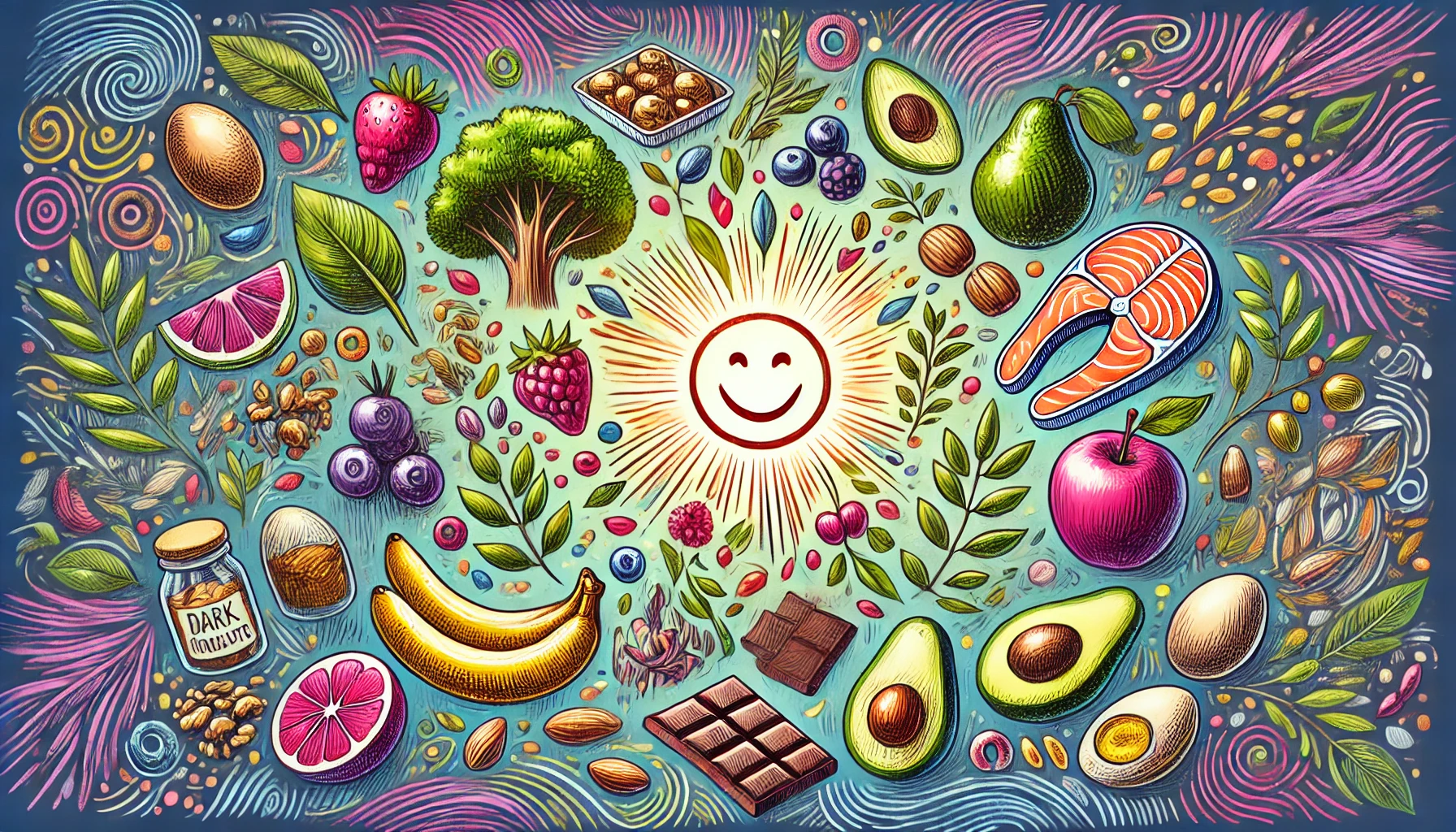
Depression is a widespread mental health issue that affects millions of people globally. While treatment options like therapy and medication are crucial, diet can also play a significant role in managing depression. Nutrition impacts mood by influencing the production of neurotransmitters like serotonin and dopamine, which are responsible for regulating emotions. The foods we consume directly affect the health of our brain, gut, and overall mental well-being. In this blog, we will explore the top 10 foods that help fight depression naturally, offering a valuable addition to any treatment plan.
The gut-brain axis, a connection between our gut and brain, is a key player in mental health. The foods we eat influence the gut’s microbiome, which in turn impacts mood regulation and stress levels. Research has shown that a diet rich in certain nutrients can alleviate symptoms of depression. These nutrients include omega-3 fatty acids, vitamins, minerals, and antioxidants, all of which support brain function and emotional stability. Incorporating depression-fighting foods into your diet can help improve mood, reduce inflammation, and contribute to a more balanced emotional state.
1. Fatty Fish
- Rich in omega-3 fatty acids, fatty fish like salmon, mackerel, and sardines are known for their anti-inflammatory properties.
- Omega-3s are essential for brain health, supporting the production of serotonin and dopamine, two neurotransmitters that influence mood.
- Studies show that people who consume higher amounts of omega-3s have lower rates of depression.
- Fatty fish also contain vitamin D, another nutrient linked to improved mood and reduced symptoms of depression.
- Eating fatty fish twice a week can provide a natural boost to mental health and emotional well-being.
2. Dark Leafy Greens
- Dark leafy greens like spinach, kale, and Swiss chard are packed with essential nutrients like folate, magnesium, and vitamins A and C.
- Folate deficiency has been associated with depression, as this B-vitamin is critical for the production of neurotransmitters.
- Magnesium is a natural mood booster, helping regulate stress hormones and promote relaxation.
- Antioxidants found in leafy greens protect brain cells from damage caused by oxidative stress, a factor linked to depression.
- Adding a variety of greens to your meals can help improve brain function and emotional health.
3. Berries
- Berries are high in antioxidants, particularly anthocyanins, which reduce inflammation and oxidative stress in the brain.
- Blueberries, strawberries, and blackberries are rich in vitamin C and polyphenols, both of which are linked to better mental health.
- Antioxidants help combat the cellular damage that can contribute to mood disorders, protecting brain function.
- Eating a cup of berries daily can improve your body’s ability to manage stress and reduce the risk of depression.
- Berries can be added to smoothies, oatmeal, or eaten as a snack, making them an easy and delicious way to boost mental health.
4. Nuts and Seeds
- Nuts and seeds, especially walnuts, flaxseeds, and chia seeds, are excellent sources of omega-3 fatty acids and magnesium.
- Walnuts contain high levels of alpha-linolenic acid (ALA), a type of omega-3 that supports brain function and mental health.
- Magnesium helps the body cope with stress and anxiety, making it a vital nutrient for combating depression.
- Chia seeds and flaxseeds are also rich in fiber, which promotes gut health, an important aspect of the gut-brain connection.
- Incorporating a handful of nuts and seeds into your diet each day can help improve mood and reduce depressive symptoms.
5. Fermented Foods
- Fermented foods like yogurt, kefir, sauerkraut, and kimchi are rich in probiotics, which support a healthy gut microbiome.
- The gut-brain axis plays a significant role in mood regulation, and a healthy gut is essential for maintaining emotional balance.
- Probiotics help reduce inflammation in the gut, which is often linked to depression and other mental health issues.
- Consuming fermented foods regularly can improve the balance of beneficial bacteria in the gut, positively impacting mental health.
- Adding a serving of fermented foods to your diet daily can help support both digestive and emotional health.
6. Whole Grains
- Whole grains like oats, quinoa, and brown rice are excellent sources of complex carbohydrates, which provide a steady supply of energy.
- Carbohydrates play a key role in the production of serotonin, the neurotransmitter that regulates mood.
- Complex carbs help maintain blood sugar levels, preventing mood swings and energy crashes that can contribute to depression.
- Whole grains also contain B-vitamins, including folate and B6, which are crucial for brain health and mood regulation.
- Incorporating whole grains into your meals helps stabilize mood and promotes better mental clarity.
7. Dark Chocolate
- Dark chocolate is rich in antioxidants, specifically flavonoids, which have been shown to boost mood and cognitive function.
- It stimulates the production of serotonin and endorphins, which are natural mood enhancers.
- Studies show that consuming dark chocolate in moderation can reduce symptoms of depression and improve overall mental well-being.
- Choose dark chocolate with at least 70% cocoa content to maximize the health benefits while minimizing sugar intake.
- A small piece of dark chocolate can be an indulgent yet effective way to support your mental health.
8. Eggs
- Eggs are an excellent source of high-quality protein, as well as essential nutrients like vitamin B12, choline, and vitamin D.
- Vitamin B12 is crucial for brain function and the production of neurotransmitters that regulate mood.
- Choline supports the production of acetylcholine, a neurotransmitter involved in mood and memory.
- Eggs are also one of the few foods that naturally contain vitamin D, which has been linked to lower rates of depression.
- Incorporating eggs into your diet regularly can help boost mood and support brain health.
9. Avocados
- Avocados are rich in healthy fats, particularly monounsaturated fats, which support brain health and reduce inflammation.
- They are also packed with B-vitamins, including folate, which is essential for the production of mood-regulating neurotransmitters.
- Avocados contain potassium, which helps regulate blood pressure and reduce stress levels, contributing to emotional stability.
- Their high fiber content supports gut health, further strengthening the gut-brain connection.
- Adding avocado to salads, toast, or smoothies is an easy and delicious way to boost your intake of mood-enhancing nutrients.
10. Green Tea
- Green tea contains the amino acid L-theanine, which promotes relaxation and reduces stress without causing drowsiness.
- L-theanine has been shown to increase the production of dopamine and serotonin, both of which help improve mood.
- Green tea is also rich in antioxidants, particularly catechins, which protect the brain from oxidative damage and inflammation.
- Consuming green tea regularly can help reduce symptoms of depression and anxiety, providing a calming effect.
- A cup of green tea each day can be a simple yet powerful way to support mental well-being.
Conclusion
While depression is a complex condition that often requires a multifaceted treatment approach, diet plays a vital role in managing its symptoms. The foods we eat not only nourish our bodies but also directly influence our brain and emotional health. Incorporating depression-fighting foods like fatty fish, dark leafy greens, berries, and fermented foods can help support mood regulation and reduce the risk of depressive episodes. Additionally, foods rich in omega-3s, antioxidants, and essential vitamins and minerals promote a healthy gut-brain connection, which is crucial for mental well-being.
By making small, consistent changes to your diet, you can enhance your mental health and improve your overall quality of life. While these foods can support depression management, it’s essential to seek professional guidance and combine dietary changes with other treatment options for the best results.