
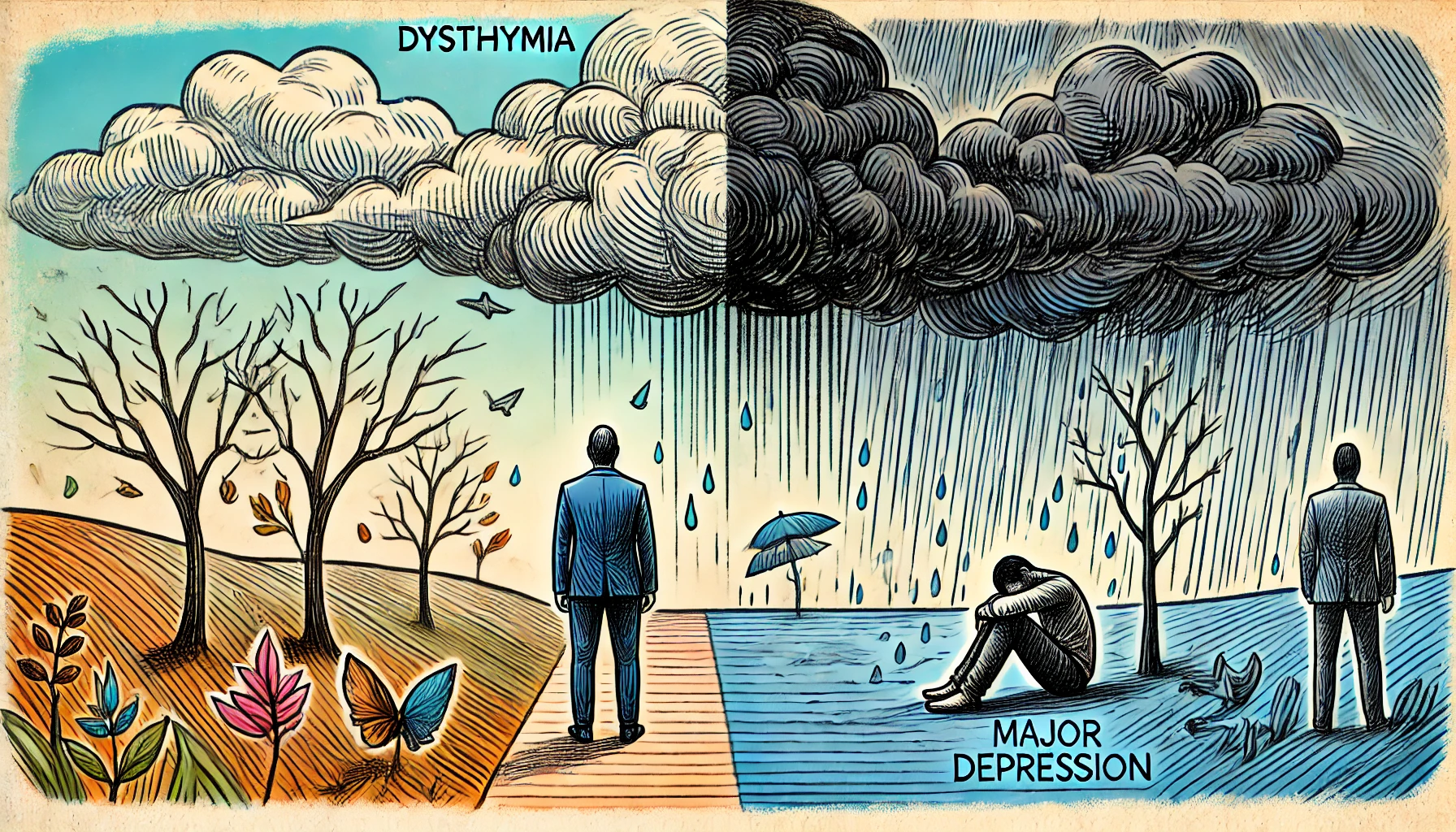
Double depression is a complex and particularly challenging mental health condition where an individual experiences both dysthymia (Persistent Depressive Disorder) and episodes of Major Depressive Disorder (MDD). Dysthymia is characterized by a chronic, low-grade depression that lasts for at least two years, with symptoms that are less severe than those of major depression but more enduring. When a person with dysthymia experiences a major depressive episode, it leads to what is known as double depression.
This coexistence can significantly impact an individual’s quality of life, making daily functioning more difficult and increasing the overall burden of the illness. People with double depression often face persistent feelings of sadness and hopelessness, with episodes of more intense depressive symptoms. Understanding double depression is crucial for effective diagnosis and treatment, as it requires a nuanced approach to managing both the underlying dysthymia and the episodic nature of major depression.
1. Understanding Dysthymia and Major Depression
- Dysthymia (Persistent Depressive Disorder): Dysthymia involves a chronic, long-lasting low mood that persists for at least two years. Individuals with dysthymia experience symptoms such as low self-esteem, fatigue, and a lack of interest in activities, but these symptoms are typically less severe than those of major depression.
- Major Depressive Disorder (MDD): Major depression is characterized by intense depressive episodes that last for at least two weeks and include symptoms such as deep sadness, loss of interest in activities, significant changes in weight or appetite, sleep disturbances, and thoughts of death or suicide.
- Chronic Nature vs. Episodic: While dysthymia is continuous and long-lasting, major depression is episodic, with periods of severe symptoms. Double depression occurs when a person with dysthymia experiences a major depressive episode, adding layers of complexity to the condition.
- Impact on Functioning: Both dysthymia and MDD can significantly impair daily functioning, but in different ways. Dysthymia leads to a constant, underlying level of distress, while MDD causes acute and intense disruption in an individual’s life during depressive episodes.
- Overlap in Symptoms: The symptoms of dysthymia and major depression overlap in many areas, including feelings of hopelessness, fatigue, and difficulty concentrating, which can make it challenging to distinguish between the two conditions.
2. Symptoms of Double Depression
- Persistent Low Mood: Individuals with double depression experience a persistent, low-grade depressive mood from dysthymia, along with more intense depressive episodes associated with MDD. This leads to a prolonged period of feeling down, even when not in the midst of a major depressive episode.
- Increased Severity During Episodes: During major depressive episodes, symptoms such as profound sadness, loss of interest in activities, and feelings of worthlessness become more pronounced, amplifying the existing dysthymic symptoms.
- Fatigue and Low Energy: Chronic fatigue and a lack of energy are common in double depression, making it difficult for individuals to engage in daily activities or maintain motivation for tasks.
- Sleep Disturbances: Double depression often involves sleep disturbances, including insomnia or hypersomnia, which can exacerbate feelings of fatigue and affect overall well-being.
- Feelings of Hopelessness and Despair: Individuals with double depression may experience persistent feelings of hopelessness and despair, with an increased risk of suicidal ideation during major depressive episodes.
3. Causes and Risk Factors of Double Depression
- Genetic Predisposition: A family history of mood disorders, including dysthymia and major depression, can increase the risk of developing double depression. Genetic factors can influence an individual’s susceptibility to these conditions.
- Biological Factors: Neurotransmitter imbalances, particularly involving serotonin, norepinephrine, and dopamine, are thought to play a role in the development of both dysthymia and MDD. Hormonal changes and brain structure abnormalities may also contribute.
- Psychological Factors: Certain personality traits, such as pessimism, low self-esteem, and a tendency toward negative thinking, can increase the risk of developing dysthymia and, consequently, double depression.
- Chronic Stress and Trauma: Chronic stress, early childhood trauma, and adverse life events can contribute to the onset of dysthymia and increase the likelihood of experiencing major depressive episodes.
- Environmental Factors: Environmental factors, such as lack of social support, ongoing relationship problems, financial difficulties, and stressful life changes, can trigger or exacerbate double depression.
4. Impact of Double Depression on Daily Life
- Impaired Functioning: Double depression can lead to significant impairments in daily functioning, including difficulty maintaining employment, academic challenges, and reduced productivity due to the persistent nature of symptoms.
- Social Withdrawal: The chronic low mood and fatigue associated with double depression can cause individuals to withdraw from social activities and relationships, leading to feelings of isolation and loneliness.
- Difficulty in Relationships: Persistent irritability, low self-esteem, and feelings of hopelessness can strain relationships with family, friends, and partners, leading to misunderstandings and conflict.
- Reduced Quality of Life: The constant presence of depressive symptoms, coupled with episodic intensification, can greatly diminish an individual’s quality of life, affecting their ability to enjoy activities and engage in meaningful pursuits.
- Increased Risk of Substance Abuse: Some individuals with double depression may turn to substances such as alcohol or drugs as a coping mechanism, which can lead to substance abuse and further complicate the condition.
5. Diagnosis of Double Depression
- Comprehensive Assessment: Diagnosing double depression involves a thorough clinical assessment, including a detailed history of the individual’s mood, symptom patterns, and previous depressive episodes. It also requires evaluating the duration and intensity of symptoms.
- Differential Diagnosis: It is essential to differentiate double depression from other mental health conditions, such as bipolar disorder, anxiety disorders, or chronic fatigue syndrome, as these conditions may have overlapping symptoms.
- Screening Tools: Healthcare providers may use standardized screening tools, such as the Beck Depression Inventory (BDI) or the Hamilton Depression Rating Scale (HDRS), to assess the severity of depressive symptoms and distinguish between dysthymia and major depression.
- Physical Examination and Lab Tests: A physical examination and lab tests may be conducted to rule out medical conditions that could mimic depressive symptoms, such as thyroid dysfunction or vitamin deficiencies.
- Assessing Functional Impairment: Evaluating the impact of symptoms on daily functioning, including work, social interactions, and self-care, is crucial for an accurate diagnosis of double depression.
6. Treatment Approaches for Double Depression
- Medication: Antidepressant medications, such as selective serotonin reuptake inhibitors (SSRIs) or serotonin-norepinephrine reuptake inhibitors (SNRIs), are commonly used to treat double depression. In some cases, a combination of medications or augmentation with mood stabilizers or antipsychotics may be necessary.
- Psychotherapy: Cognitive-behavioral therapy (CBT) and interpersonal therapy (IPT) are effective forms of psychotherapy for double depression. CBT focuses on changing negative thought patterns and behaviors, while IPT addresses interpersonal issues and relationship challenges.
- Combination Therapy: Combining medication and psychotherapy is often the most effective approach for managing double depression, as it addresses both the biological and psychological aspects of the condition.
- Lifestyle Modifications: Regular exercise, a balanced diet, adequate sleep, and stress management techniques can help alleviate some symptoms of double depression and improve overall well-being.
- Advanced Treatments: In cases where traditional treatments are not effective, advanced treatments such as electroconvulsive therapy (ECT) or transcranial magnetic stimulation (TMS) may be considered.
7. Challenges in Treating Double Depression
- Chronic Nature of Dysthymia: The long-lasting and persistent nature of dysthymia makes it challenging to treat, as individuals may have become accustomed to their low mood and view it as a normal state of being.
- Risk of Relapse: Individuals with double depression have a higher risk of relapse, particularly after experiencing a major depressive episode. Ongoing treatment and maintenance strategies are often required to prevent recurrence.
- Treatment Resistance: Some individuals with double depression may not respond adequately to standard treatments, requiring adjustments in medication, therapy approaches, or consideration of advanced treatments.
- Comorbid Conditions: The presence of comorbid mental health conditions, such as anxiety disorders, substance abuse, or personality disorders, can complicate the treatment of double depression and require a more integrated approach.
- Adherence to Treatment: Adherence to treatment can be challenging, particularly if individuals feel discouraged by the chronic nature of their symptoms or experience side effects from medications.
8. The Importance of Early Intervention and Ongoing Support
- Early Detection: Early detection and treatment of dysthymia can prevent the progression to double depression and reduce the overall impact on an individual’s life. Recognizing the signs and seeking help early is crucial for improving outcomes.
- Ongoing Monitoring: Regular follow-up appointments with healthcare providers are essential for monitoring progress, adjusting treatment plans, and addressing any emerging symptoms or side effects.
- Support Networks: Building a strong support network of family, friends, and mental health professionals can provide emotional support and encouragement throughout the treatment process. Support groups can also offer a sense of community and understanding.
- Education and Empowerment: Educating individuals about double depression, including the nature of the condition and the importance of treatment adherence, can empower them to take an active role in their recovery.
- Long-Term Management: Managing double depression often requires a long-term approach, including ongoing therapy, medication management, and lifestyle modifications to maintain stability and prevent relapse.
9. Coping Strategies for Individuals with Double Depression
- Developing Coping Skills: Learning effective coping skills, such as mindfulness meditation, relaxation techniques, and cognitive restructuring, can help individuals manage symptoms and reduce stress.
- Setting Realistic Goals: Setting small, achievable goals can provide a sense of accomplishment and improve self-esteem. It’s important to recognize and celebrate progress, no matter how small.
- Engaging in Pleasurable Activities: Encouraging participation in activities that bring joy and fulfillment can help counteract feelings of hopelessness and enhance mood. This includes hobbies, social interactions, and physical activities.
- Self-Compassion and Acceptance: Practicing self-compassion and acceptance can reduce self-criticism and promote a more positive self-image. Acknowledging the challenges of living with double depression and treating oneself with kindness is essential.
- Seeking Professional Help: Reaching out for professional help and support is crucial for managing double depression. Therapy, medication, and support groups can provide the necessary tools and resources for recovery.
10. The Role of Family and Friends in Supporting Someone with Double Depression
- Providing Emotional Support: Family and friends can provide valuable emotional support by offering a listening ear, expressing empathy, and being present during difficult times. It’s important to show understanding and avoid judgment.
- Encouraging Treatment Adherence: Loved ones can encourage adherence to treatment by reminding the individual about appointments, medication schedules, and the importance of ongoing therapy.
- Educating Themselves: Learning about double depression and its symptoms can help family and friends better understand what the individual is going through and how they can offer appropriate support.
- Offering Practical Assistance: Providing practical assistance, such as helping with daily tasks, running errands, or accompanying the individual to therapy sessions, can alleviate some of the burdens associated with double depression.
- Creating a Supportive Environment: Creating a supportive and nurturing environment, free of judgment or pressure, can help the individual feel safe and understood, which is crucial for their recovery and well-being.
Conclusion
Double depression is a challenging condition that involves the coexistence of dysthymia and major depressive episodes, leading to a significant impact on an individual’s quality of life. This condition requires a nuanced approach to diagnosis and treatment, as it involves both the chronic nature of dysthymia and the episodic intensity of major depression. Understanding the symptoms, causes, and treatment options for double depression is crucial for effective management and improving the overall well-being of those affected.
Treatment for double depression often involves a combination of medication, psychotherapy, lifestyle modifications, and ongoing support. Early intervention and a long-term management plan are essential to prevent relapse and enhance the quality of life. Family, friends, and healthcare providers play a vital role in offering support and encouragement throughout the recovery process. By raising awareness and providing compassionate care, we can help individuals with double depression navigate the complexities of this condition and work towards a healthier, more fulfilling life.