
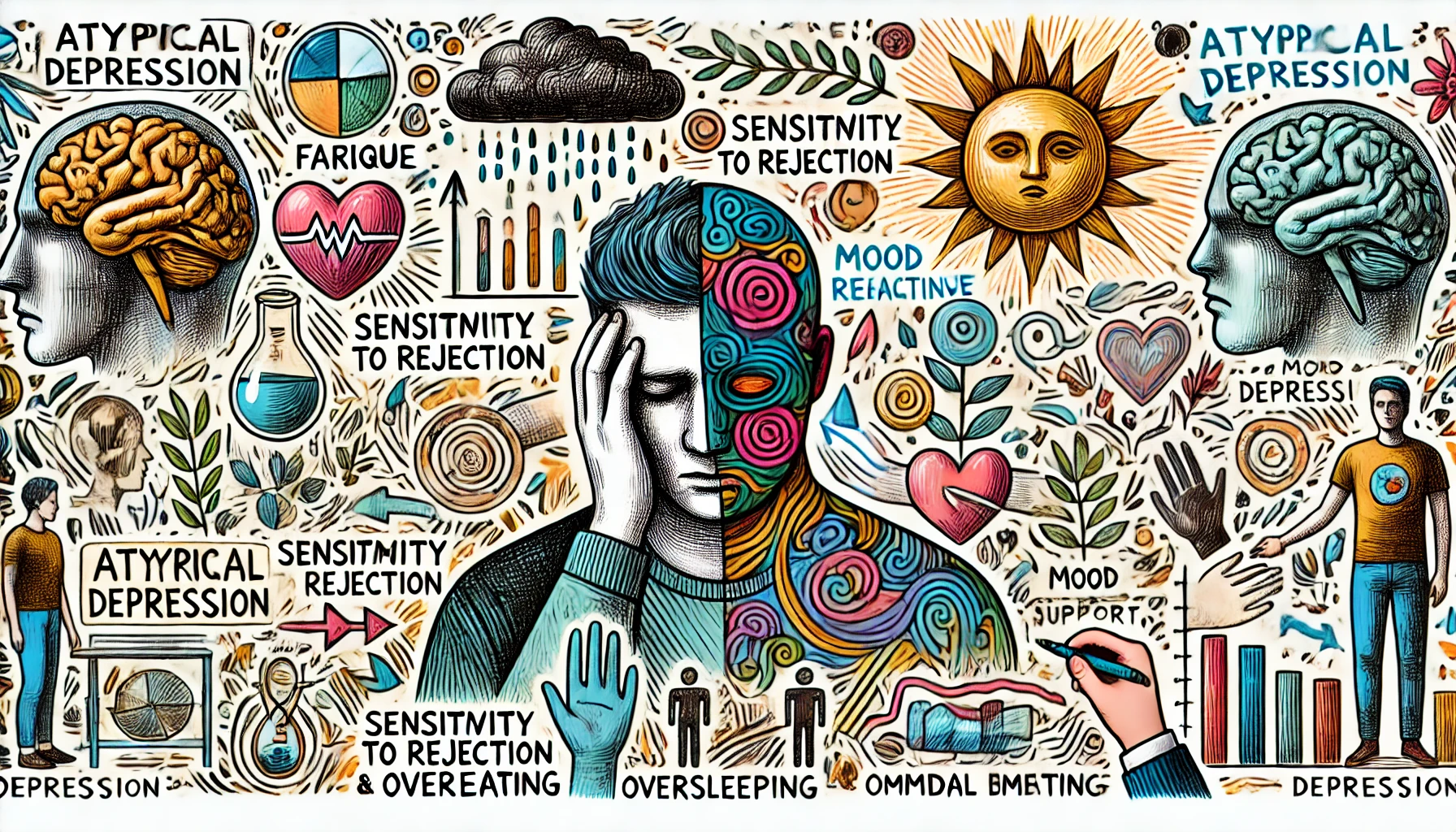
Atypical depression is a subtype of major depressive disorder characterized by mood reactivity and a specific set of symptoms that distinguish it from typical depression. Unlike other forms of depression, individuals with atypical depression can experience a temporary uplift in mood in response to positive events, which can make the condition more challenging to diagnose. The term “atypical” doesn’t mean this form of depression is uncommon; rather, it refers to its unique features that deviate from the classical symptoms of depression.
Symptoms of atypical depression include increased appetite, weight gain, excessive sleep, a sensation of heaviness in the limbs, and heightened sensitivity to rejection. These symptoms can lead to significant impairments in daily functioning and relationships. Understanding atypical depression is crucial because it responds differently to treatment compared to other types of depression. This blog will delve into the symptoms, causes, and treatments of atypical depression to provide a comprehensive understanding of this condition.
1. Symptoms of Atypical Depression
- Mood Reactivity: One of the hallmark symptoms of atypical depression is mood reactivity, where individuals experience a temporary improvement in mood in response to positive events or external stimuli. This sets it apart from other forms of depression, where mood remains consistently low.
- Increased Appetite and Weight Gain: Unlike typical depression, which often leads to loss of appetite, atypical depression is associated with increased appetite, particularly cravings for carbohydrates, leading to significant weight gain.
- Hypersomnia: Excessive sleeping or sleeping for extended periods (more than 10 hours a day) is common in atypical depression. Despite the extra sleep, individuals may still feel tired and lethargic.
- Leaden Paralysis: Individuals with atypical depression may experience a sensation of heaviness in their arms and legs, often described as “leaden paralysis,” which can make it difficult to carry out daily tasks.
- Sensitivity to Rejection: Heightened sensitivity to interpersonal rejection or criticism is a key feature. This can lead to significant social and occupational impairment, as individuals may withdraw or avoid situations where they fear rejection.
2. How Atypical Depression Differs from Other Depressive Disorders
- Mood Variability: Atypical depression differs from major depressive disorder (MDD) in its mood reactivity. While MDD often involves a pervasive low mood, atypical depression allows for mood improvement in response to positive events.
- Physical Symptoms: The physical symptoms of atypical depression, such as increased appetite and hypersomnia, contrast with the weight loss and insomnia commonly seen in other forms of depression.
- Gender Prevalence: Atypical depression is more common in women than in men, whereas MDD affects both genders more equally.
- Age of Onset: Atypical depression often begins at an earlier age than other forms of depression, sometimes in the teenage years or early adulthood.
- Response to Treatment: Individuals with atypical depression may respond better to certain types of medication, such as monoamine oxidase inhibitors (MAOIs), compared to those with typical depression, who often respond well to selective serotonin reuptake inhibitors (SSRIs).
3. Causes and Risk Factors
- Genetic Predisposition: A family history of depression or other mood disorders can increase the risk of developing atypical depression, suggesting a genetic component to the condition.
- Biological Factors: Imbalances in neurotransmitters such as serotonin, dopamine, and norepinephrine are thought to play a role in atypical depression. Hormonal changes, particularly in women, may also contribute to its onset.
- Environmental Triggers: Stressful life events, such as trauma, loss, or chronic stress, can trigger atypical depression in individuals who are predisposed to the condition.
- Personality Traits: Individuals with certain personality traits, such as being highly sensitive or having a tendency towards anxiety, may be more susceptible to developing atypical depression.
- Seasonal Patterns: While not always the case, some people with atypical depression may experience worsening symptoms during specific seasons, particularly in the fall and winter, similar to Seasonal Affective Disorder (SAD).
4. Diagnosis of Atypical Depression
- Clinical Evaluation: Diagnosis involves a thorough clinical evaluation, including a detailed history of symptoms, mood patterns, and overall mental health. Healthcare providers may use structured interviews and questionnaires to assess the presence of atypical depression.
- DSM-5 Criteria: According to the Diagnostic and Statistical Manual of Mental Disorders (DSM-5), atypical depression is classified as a specifier of major depressive disorder or persistent depressive disorder with atypical features. It requires the presence of mood reactivity and at least two other symptoms, such as increased appetite, hypersomnia, leaden paralysis, or sensitivity to rejection.
- Differentiation from Other Conditions: It’s important to differentiate atypical depression from other conditions such as bipolar disorder, where mood variability can also occur. The presence of manic or hypomanic episodes would suggest a different diagnosis.
- Medical Evaluation: A physical examination and lab tests may be conducted to rule out medical conditions that could mimic symptoms of atypical depression, such as thyroid disorders or sleep apnea.
- Co-occurring Disorders: Assessment for co-occurring mental health conditions, such as anxiety disorders or substance abuse, is crucial, as they can influence the presentation and treatment of atypical depression.
5. Impact on Daily Life and Functioning
- Social Relationships: The heightened sensitivity to rejection and interpersonal conflicts can lead to strained relationships and social withdrawal. Individuals may avoid social situations or experience anxiety about interactions.
- Work and School Performance: Symptoms such as fatigue, low energy, and difficulty concentrating can impair work or academic performance, leading to reduced productivity and absenteeism.
- Physical Health: The increased appetite and weight gain associated with atypical depression can contribute to physical health problems such as obesity, metabolic syndrome, and cardiovascular issues.
- Self-Esteem: The constant struggle with rejection sensitivity and mood instability can erode self-esteem and self-confidence, making it challenging for individuals to engage in new activities or pursue goals.
- Daily Routine: The need for excessive sleep and the sensation of leaden paralysis can disrupt daily routines, making it difficult to maintain a regular schedule or engage in activities that were once enjoyable.
6. Treatment Options
- Medication: Antidepressants are commonly prescribed for atypical depression. Monoamine oxidase inhibitors (MAOIs) have been found to be particularly effective, although SSRIs and serotonin-norepinephrine reuptake inhibitors (SNRIs) may also be used. The choice of medication depends on the individual’s specific symptoms and medical history.
- Psychotherapy: Cognitive-behavioral therapy (CBT) is often used to treat atypical depression. It focuses on changing negative thought patterns and behaviors that contribute to depressive symptoms. Interpersonal therapy (IPT) may also be beneficial in addressing sensitivity to rejection and improving social functioning.
- Lifestyle Modifications: Regular physical activity, a balanced diet, and maintaining a consistent sleep schedule can help alleviate some symptoms of atypical depression. Exercise, in particular, can boost mood and energy levels.
- Light Therapy: For individuals who experience seasonal patterns in their symptoms, light therapy may be beneficial. Exposure to bright light can help regulate circadian rhythms and improve mood.
- Support Groups: Joining a support group, either in person or online, can provide individuals with a sense of community and reduce feelings of isolation. Sharing experiences with others who understand the challenges of atypical depression can be empowering.
7. The Role of Lifestyle in Managing Atypical Depression
- Regular Exercise: Engaging in regular physical activity can help reduce symptoms of depression by releasing endorphins and improving overall energy levels. Exercise can also aid in weight management, counteracting the tendency towards weight gain in atypical depression.
- Healthy Diet: A balanced diet rich in fruits, vegetables, lean proteins, and whole grains can support overall mental health. Avoiding excessive carbohydrates and sugars can help stabilize mood and energy levels.
- Sleep Hygiene: Maintaining a consistent sleep schedule and creating a relaxing bedtime routine can help manage hypersomnia and improve overall sleep quality. Limiting naps during the day and avoiding caffeine or electronic devices before bed can also be beneficial.
- Stress Management: Techniques such as mindfulness, meditation, and deep breathing exercises can help reduce stress and improve emotional resilience, making it easier to cope with symptoms of atypical depression.
- Social Engagement: Staying connected with friends and family, even when it feels challenging, can provide emotional support and reduce feelings of isolation. Engaging in social activities or hobbies can also help boost mood and provide a sense of purpose.
8. Challenges in Treating Atypical Depression
- Medication Sensitivity: Individuals with atypical depression may be sensitive to the side effects of certain medications, such as MAOIs, which require dietary restrictions to avoid adverse reactions. This can make finding the right medication and dosage more complex.
- Delayed Diagnosis: The mood reactivity and unique symptom profile of atypical depression can lead to delayed diagnosis or misdiagnosis. Individuals may not seek help because they experience mood improvement with positive events.
- Co-occurring Disorders: Atypical depression often co-occurs with other mental health conditions, such as anxiety disorders or substance use disorders, which can complicate treatment and require a more comprehensive approach.
- Long-Term Management: Atypical depression is often a chronic condition that requires long-term management. Patients may need to continue treatment even after symptoms improve to prevent relapse.
- Stigma and Awareness: Misunderstandings about atypical depression can lead to stigma, making it difficult for individuals to seek help or feel understood by others. Increasing awareness and education about this condition is crucial.
9. The Importance of Early Intervention
- Preventing Worsening Symptoms: Early intervention can help prevent the worsening of symptoms and reduce the risk of complications, such as the development of co-occurring disorders or severe functional impairment.
- Improved Treatment Outcomes: Starting treatment early can lead to better long-term outcomes and increase the likelihood of achieving remission. It can also help individuals develop coping strategies to manage symptoms more effectively.
- Reducing Impact on Daily Life: Addressing atypical depression promptly can minimize its impact on daily functioning, relationships, and overall quality of life. Early intervention can help individuals maintain their social and occupational roles.
- Building Support Networks: Early intervention allows individuals to build a support network of healthcare providers, family, and friends who can provide assistance and encouragement throughout the treatment process.
- Monitoring and Adjusting Treatment: Starting treatment early provides an opportunity for healthcare providers to monitor progress, adjust treatment plans as needed, and address any side effects or challenges that arise.
10. Strategies for Supporting Someone with Atypical Depression
- Open Communication: Encourage open and non-judgmental communication. Let the person know that you are there to listen and support them without offering unsolicited advice or minimizing their feelings.
- Encourage Professional Help: Gently encourage seeking professional help, such as consulting a mental health professional or joining a support group. Offer to assist in finding resources or accompany them to appointments if needed.
- Offer Practical Support: Help with daily tasks that may seem overwhelming to someone with atypical depression, such as preparing meals, running errands, or providing transportation to appointments.
- Be Patient and Understanding: Understand that recovery takes time and there may be setbacks. Be patient and avoid expressing frustration or impatience if progress seems slow.
- Promote Positive Activities: Encourage participation in activities that the person enjoys or that have been beneficial in the past, such as exercise, hobbies, or social gatherings, while being mindful of their current energy levels and limitations.
Conclusion
Atypical depression is a distinct subtype of depression characterized by unique symptoms such as mood reactivity, increased appetite, hypersomnia, and sensitivity to rejection. Despite its name, atypical depression is not uncommon, but it differs from other forms of depression in several key ways, including how individuals respond to positive events and the specific physical symptoms experienced. Understanding these differences is crucial for accurate diagnosis and effective treatment.
Treatment for atypical depression often involves a combination of medication, psychotherapy, lifestyle modifications, and support. Early intervention is essential to improve long-term outcomes and reduce the impact of the disorder on an individual’s daily life. By raising awareness and understanding of atypical depression, we can better support those affected and encourage a more compassionate approach to mental health care.