
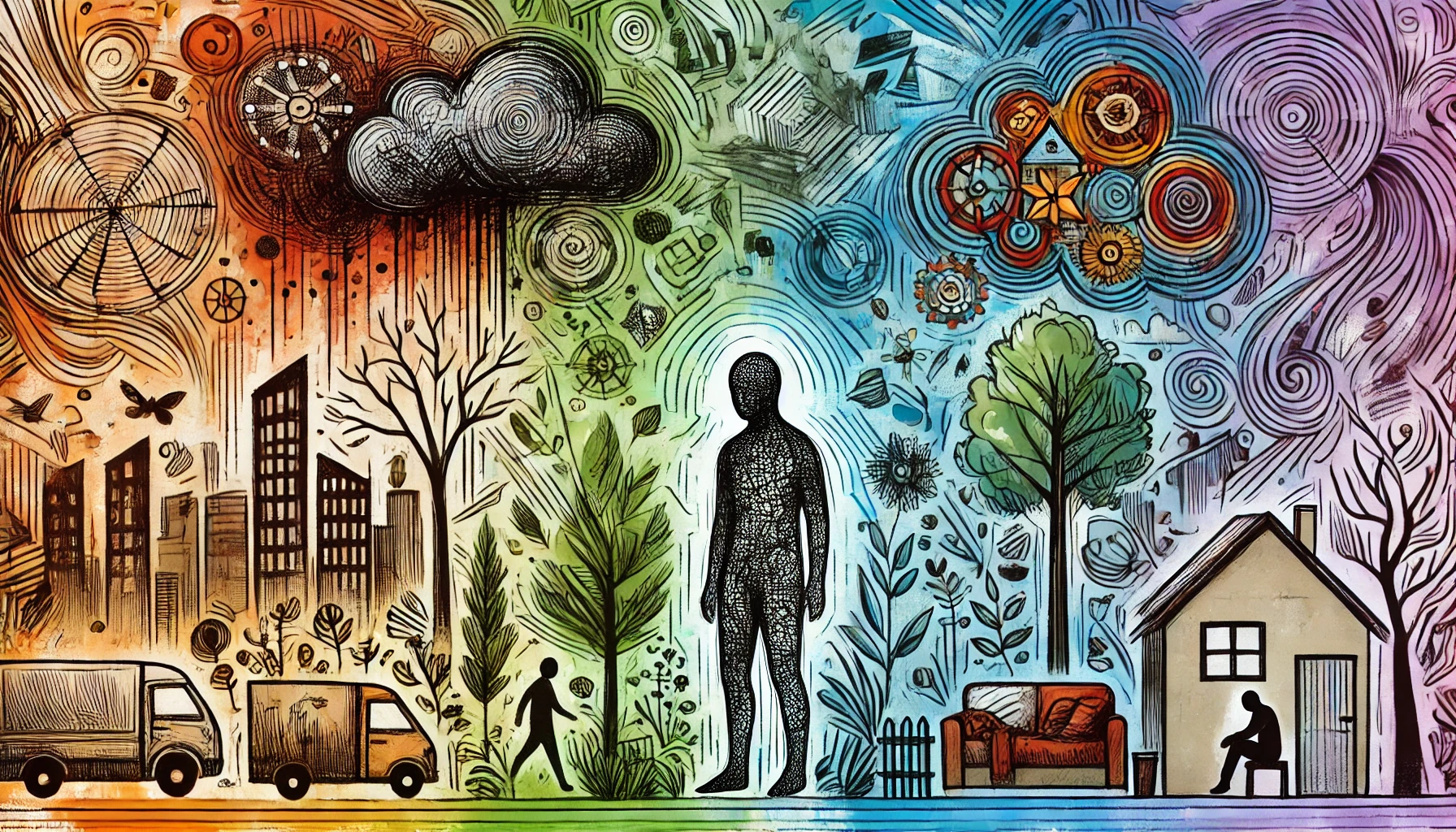
Depression is a multifaceted mental health condition influenced by a combination of genetic, biological, psychological, and environmental factors. While genetics and brain chemistry play a significant role, the environment in which an individual lives and grows can greatly impact their mental health. Environmental factors encompass a wide range of influences, from early life experiences and family dynamics to social and economic conditions. Understanding how the environment contributes to the development of depression can help identify at-risk individuals and inform more effective prevention and intervention strategies.
Environmental factors can either increase vulnerability to depression or, conversely, offer protection against it. Traumatic experiences, chronic stress, and adverse living conditions can heighten the risk of developing depression, while a supportive, nurturing environment can promote resilience and well-being. This blog explores various environmental factors that contribute to depression, highlighting the complex interplay between our surroundings and mental health.
Early Life Experiences and Childhood Environment
- Childhood Trauma and Adversity
- Exposure to trauma and adversity during childhood, such as physical, emotional, or sexual abuse, neglect, or loss of a parent, significantly increases the risk of developing depression later in life.
- Traumatic experiences can lead to changes in the brain’s structure and function, particularly in areas involved in stress response and emotion regulation, such as the amygdala and hippocampus.
- Childhood adversity can also affect the development of healthy coping mechanisms, leading to difficulties in managing emotions and stress in adulthood.
- The effects of early trauma are long-lasting and can result in a heightened sensitivity to stress and an increased vulnerability to mental health disorders, including depression.
- Early intervention and support for children who have experienced trauma can mitigate some of these risks and promote healthier emotional development.
- Parental Influence and Family Dynamics
- The family environment plays a crucial role in shaping an individual’s emotional health and resilience. Children who grow up in families with high levels of conflict, criticism, or emotional unavailability are at a greater risk of developing depression.
- Parenting styles and behaviors can influence a child’s self-esteem, emotional regulation, and overall mental health. For instance, overly critical, neglectful, or authoritarian parenting can contribute to feelings of inadequacy and low self-worth.
- Conversely, a supportive, nurturing family environment that fosters open communication, warmth, and positive reinforcement can build resilience and lower the risk of depression.
- Parental mental health also has a significant impact; children of parents with depression are more likely to develop the condition themselves due to a combination of genetic and environmental factors.
- Family therapy and parenting support programs can help create a healthier family environment that promotes emotional well-being for all members.
Social and Economic Factors
- Socioeconomic Status and Financial Stress
- Socioeconomic status (SES) is a significant environmental factor associated with the risk of developing depression. Individuals from lower SES backgrounds are more likely to experience depression due to factors such as financial instability, lack of access to healthcare, and limited educational and occupational opportunities.
- Chronic financial stress, including concerns about job security, housing instability, and the ability to meet basic needs, can contribute to feelings of helplessness, anxiety, and low mood.
- Economic hardship can also limit access to mental health resources, such as therapy or medication, making it more challenging to manage symptoms and seek treatment.
- While not everyone with financial difficulties develops depression, the stress associated with economic hardship can exacerbate existing vulnerabilities and trigger depressive episodes.
- Social programs and community resources that provide financial, educational, and healthcare support can help alleviate some of the environmental stressors associated with low SES.
- Social Support and Isolation
- Social support is a protective factor against depression, while social isolation and loneliness are significant risk factors. Having a strong network of friends, family, and community can provide emotional support, practical assistance, and a sense of belonging.
- Social isolation, whether due to a lack of social connections, geographical relocation, or the loss of a loved one, can lead to feelings of loneliness and exacerbate depressive symptoms.
- The quality of social interactions is also important; relationships characterized by conflict, misunderstanding, or lack of emotional support can contribute to feelings of depression.
- Engaging in social activities, building meaningful relationships, and seeking support from others can help buffer against the negative effects of stress and improve mental health.
- Interventions such as support groups, community engagement programs, and therapy can help individuals build and maintain a supportive social network.
Stressful Life Events and Chronic Stress
- Major Life Changes and Transitions
- Significant life changes, such as divorce, job loss, relocation, or the death of a loved one, can act as triggers for depression. These events can cause a disruption in an individual’s routine, sense of security, and self-identity.
- The stress of adjusting to new circumstances, combined with feelings of loss or uncertainty, can overwhelm an individual’s coping mechanisms, leading to depressive symptoms.
- Not everyone who experiences a major life change will develop depression, but those with pre-existing vulnerabilities or a lack of social support are at a higher risk.
- Learning to navigate and adapt to life changes through the development of coping strategies and seeking support can help reduce the impact of these stressors on mental health.
- Professional support, such as counseling or therapy, can provide guidance and assistance in managing the emotional impact of major life transitions.
- Work Environment and Occupational Stress
- The work environment can significantly impact mental health, with factors such as job insecurity, excessive workload, lack of control, and poor work-life balance contributing to the development of depression.
- High levels of job-related stress, especially when coupled with a lack of support from supervisors or colleagues, can lead to burnout and increase the risk of depressive symptoms.
- Bullying, harassment, or a toxic workplace culture can also create a hostile work environment that negatively affects an individual’s emotional well-being.
- On the other hand, a positive work environment that promotes work-life balance, provides support and recognition, and encourages employee well-being can reduce stress and lower the risk of depression.
- Employers can play a crucial role in supporting mental health by creating a healthy work environment, offering mental health resources, and promoting a culture of openness and support.
Cultural and Environmental Influences
- Cultural Norms and Stigma
- Cultural attitudes towards mental health can influence an individual’s willingness to acknowledge and seek help for depression. In cultures where mental health issues are stigmatized or viewed as a sign of weakness, individuals may be less likely to seek support or treatment.
- Cultural norms regarding emotional expression, gender roles, and coping mechanisms can also impact how individuals experience and respond to depressive symptoms.
- In some cultures, depression may manifest as physical symptoms, such as headaches or fatigue, rather than emotional symptoms, leading to misdiagnosis or under-treatment.
- Awareness and education about mental health, along with culturally sensitive care, are essential for reducing stigma and improving access to support for individuals from diverse backgrounds.
- Encouraging open conversations about mental health and promoting cultural competence in healthcare can help bridge the gap in understanding and addressing depression.
- Physical Environment and Living Conditions
- The physical environment, including living conditions, neighborhood safety, and access to green spaces, can influence mental health and the risk of depression.
- Poor living conditions, such as overcrowded housing, exposure to violence or crime, and lack of access to basic necessities, can contribute to chronic stress and feelings of hopelessness.
- Environmental factors like noise pollution, poor air quality, and lack of natural light can also affect mood and overall well-being.
- Conversely, access to safe, clean, and supportive living environments, along with opportunities for physical activity and relaxation in natural settings, can promote mental health and resilience.
- Urban planning and community initiatives that improve living conditions and provide access to green spaces can have a positive impact on mental health.
Protective Environmental Factors
- Supportive Relationships and Resilience
- Having a strong support system, including supportive relationships with family, friends, and mentors, can act as a buffer against environmental stressors and reduce the risk of developing depression.
- Positive social interactions and a sense of belonging can enhance an individual’s resilience, helping them cope with adversity and maintain emotional well-being.
- Building and maintaining healthy relationships, seeking social support, and participating in community activities can foster a sense of connection and purpose.
- Teaching and promoting resilience skills, such as problem-solving, emotional regulation, and adaptive coping strategies, can help individuals navigate life’s challenges more effectively.
- Access to supportive networks and resources is vital for promoting mental health and preventing the onset or recurrence of depression.
- Access to Mental Health Resources
- Access to mental health resources, including therapy, counseling, and support groups, can play a crucial role in preventing and managing depression.
- Early intervention and support can help individuals develop coping mechanisms, process difficult emotions, and build resilience against environmental stressors.
- Educational programs that raise awareness about mental health, reduce stigma, and promote help-seeking behaviors can improve access to care and support for those at risk of depression.
- Community initiatives that provide affordable and accessible mental health services can help bridge the gap in care for individuals from low-income or underserved backgrounds.
- A comprehensive approach to mental health care that addresses both individual and environmental factors is essential for reducing the burden of depression and promoting well-being.
Conclusion
The environment plays a significant role in the development of depression, interacting with genetic and biological factors to influence an individual’s mental health. Early life experiences, family dynamics, socioeconomic status, social support, and physical surroundings all contribute to one’s vulnerability to or protection against depression. While some environmental factors, such as childhood trauma or chronic stress, can increase the risk of developing depression, supportive relationships, resilience, and access to mental health resources can provide a buffer and promote emotional well-being.
Recognizing the impact of environmental factors on mental health is essential for identifying at-risk individuals and implementing effective prevention and intervention strategies. By addressing the social, economic, and cultural influences on depression, we can create a more supportive and inclusive environment that promotes mental health and resilience for all.