
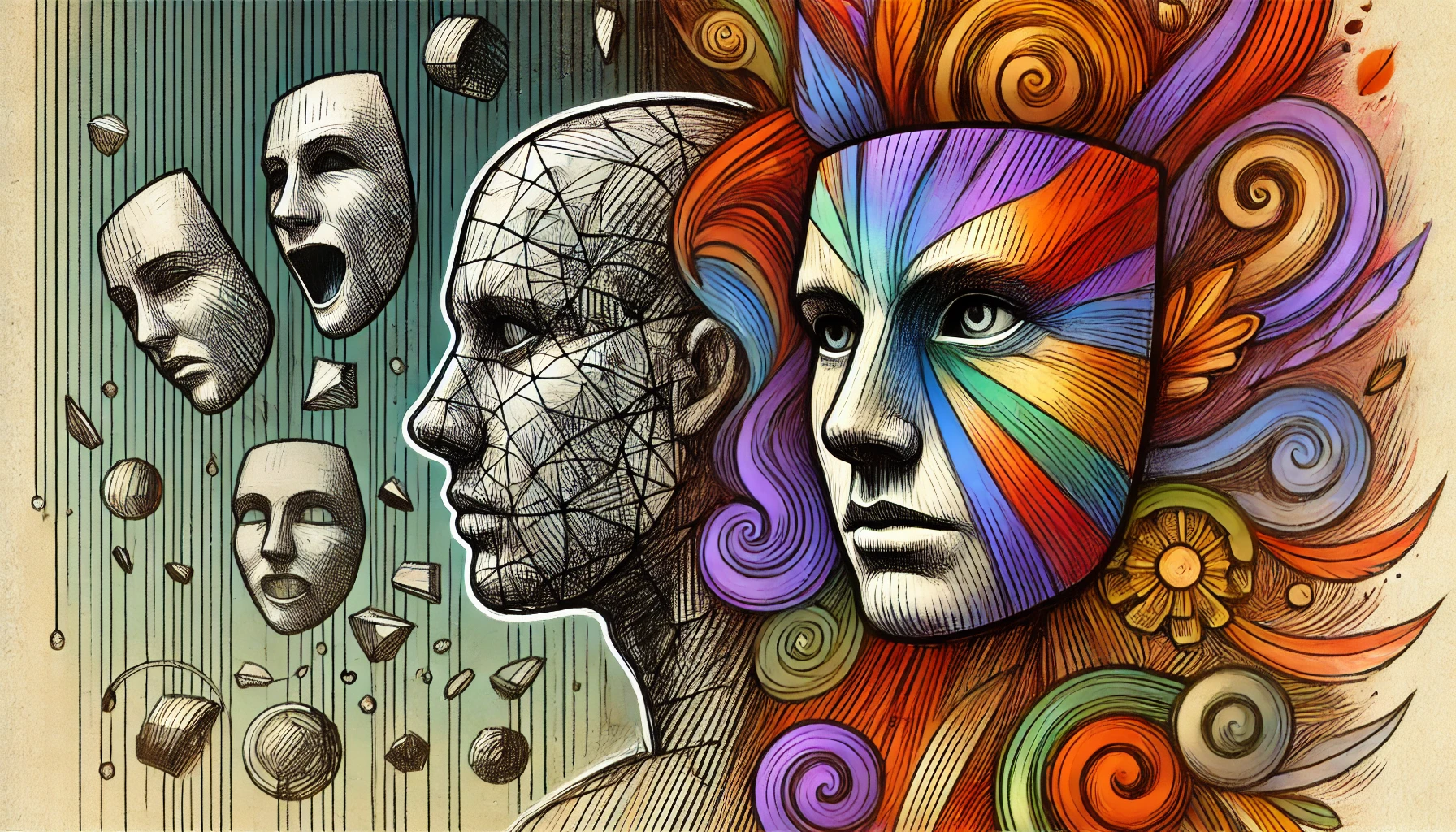
Depression is a complex mental health condition that affects millions of people worldwide, yet it remains one of the most misunderstood and stigmatized disorders. Misconceptions about depression can lead to a lack of understanding, judgment, and even dismissal of those who are struggling with it. This lack of awareness not only impacts those living with depression but also contributes to a broader societal stigma that makes it difficult for individuals to seek help. In this blog, we will explore why depression is often misunderstood and discuss ways to break the stigma surrounding it.
Many people mistakenly believe that depression is simply about feeling sad or that it can be overcome with willpower alone. Others may view it as a personal failing or a sign of weakness, rather than recognizing it as a legitimate medical condition with complex causes. These misunderstandings can lead to harmful attitudes and behaviors, such as telling someone to “snap out of it” or ignoring the severity of their symptoms. By breaking down these misconceptions, we can foster a more compassionate and supportive environment for those affected by depression.
Misconceptions About Depression
- Belief That It’s Just Sadness
- One of the most common misconceptions about depression is that it’s merely an intense form of sadness. While sadness is a component, depression is a multifaceted condition that affects mood, thoughts, and physical health.
- Unlike sadness, which typically has a clear cause and is temporary, depression can occur without an obvious reason and persist for weeks, months, or even years.
- Depression encompasses a range of symptoms, including loss of interest in activities, fatigue, changes in appetite, and difficulty concentrating, which go beyond normal emotional fluctuations.
- Viewing depression as just sadness minimizes the severity of the condition and can lead to dismissive attitudes, preventing people from seeking help.
- Understanding that depression is a complex disorder is crucial for providing appropriate support and empathy to those affected.
- Misinterpretation as Laziness or Weakness
- Depression can lead to a lack of motivation, energy, and interest in daily activities, which is often mistaken for laziness or a lack of willpower.
- This misunderstanding fails to recognize that depression affects the brain’s ability to regulate mood, energy levels, and cognitive functions, making it difficult for individuals to perform even simple tasks.
- People with depression may struggle with feelings of guilt and self-blame, exacerbated by external judgments that perceive their symptoms as personal failings.
- This misinterpretation can discourage individuals from seeking help, as they may feel ashamed or fear being labeled as weak.
- It’s essential to recognize that depression is a medical condition that requires treatment, not a character flaw or a choice.
The Impact of Societal Stigma
- Fear of Judgment and Discrimination
- The stigma surrounding depression often leads to fear of judgment or discrimination, which can prevent individuals from discussing their experiences openly.
- Many people worry about being perceived as “unstable” or “unreliable” if they disclose their struggles with depression, particularly in professional or social settings.
- This fear can lead to isolation, as individuals may withdraw from relationships and support networks to avoid potential judgment or rejection.
- Stigma can also influence how people view their own condition, leading to internalized shame and reluctance to acknowledge their need for help.
- Breaking the stigma requires fostering a culture of acceptance and understanding, where individuals feel safe to share their experiences without fear of judgment.
- Media Misrepresentation
- Media portrayals of depression often contribute to misunderstandings, as they may depict the condition in a sensationalized or stereotypical manner.
- Popular media may focus on extreme cases or present depression as something that can be easily overcome, overlooking the daily challenges faced by those living with the disorder.
- These representations can shape public perception, leading to unrealistic expectations about what depression looks like or how it should be treated.
- The media also tends to underrepresent the diversity of experiences with depression, failing to show how it affects individuals of different ages, genders, and backgrounds.
- Promoting accurate and nuanced portrayals of depression in the media is essential for educating the public and reducing stigma.
The Role of Culture and Society
- Cultural Attitudes Towards Mental Health
- Cultural beliefs and values can significantly influence how depression is perceived and addressed within different communities.
- In some cultures, mental health issues are seen as a sign of personal weakness or moral failing, leading to shame and reluctance to seek help.
- Other cultures may emphasize stoicism or emotional restraint, discouraging individuals from expressing or acknowledging their mental health struggles.
- Language barriers and a lack of culturally sensitive mental health services can further hinder access to support for individuals from diverse backgrounds.
- It’s important to promote cultural competence in mental health care and encourage open conversations about mental health across different cultural contexts.
- Pressure to Conform to Societal Norms
- Society often places a high value on productivity, success, and positivity, which can contribute to the stigma surrounding depression.
- Individuals with depression may feel pressured to “put on a brave face” or hide their symptoms to fit societal expectations, leading to a sense of isolation and inauthenticity.
- The emphasis on self-reliance and the belief that individuals should be able to “pull themselves up by their bootstraps” can make it difficult for people to seek or accept help.
- Challenging these societal norms involves recognizing that mental health is a critical aspect of overall well-being and that seeking support is a sign of strength, not weakness.
- Encouraging self-compassion and acceptance of vulnerability can help reduce the stigma and support individuals in their journey toward recovery.
The Consequences of Misunderstanding Depression
- Delayed Treatment and Diagnosis
- Misunderstanding depression can lead to delays in seeking treatment or receiving an accurate diagnosis, as individuals may not recognize their symptoms or feel hesitant to reach out for help.
- Early intervention is crucial for effective treatment, as prolonged depression can lead to worsening symptoms and an increased risk of complications such as substance abuse or suicidal ideation.
- Delayed treatment can also impact physical health, as depression is associated with an increased risk of chronic conditions like heart disease and diabetes.
- Raising awareness about the signs and symptoms of depression can encourage individuals to seek help sooner and improve treatment outcomes.
- Healthcare professionals and support networks play a key role in recognizing the signs of depression and guiding individuals toward appropriate care.
- Impact on Relationships and Social Support
- The stigma and misunderstandings surrounding depression can strain relationships, as loved ones may not understand the condition or know how to offer support.
- Individuals with depression may feel misunderstood or judged by family and friends, leading to social withdrawal and a sense of isolation.
- Lack of awareness and education about depression can result in well-meaning but unhelpful advice, such as “just think positive” or “get over it,” which can be invalidating.
- Building supportive and informed social networks is essential for helping individuals with depression feel understood and connected.
- Open communication, empathy, and education can strengthen relationships and provide a crucial support system for those affected by depression.
Steps Toward Breaking the Stigma
- Education and Awareness
- Raising awareness and educating the public about depression is a vital step in reducing stigma and promoting understanding.
- Education efforts can include providing accurate information about the causes, symptoms, and treatment options for depression, as well as challenging common misconceptions.
- Schools, workplaces, and community organizations can play a key role in mental health education, fostering an environment of acceptance and support.
- Personal stories and testimonies from individuals who have experienced depression can humanize the condition and challenge stereotypes.
- Encouraging open discussions about mental health can help normalize the conversation and reduce the fear and shame associated with seeking help.
- Advocacy and Support
- Advocacy for mental health awareness and policy change is crucial for creating a society that supports individuals with depression.
- Efforts to improve access to mental health care, including affordable and culturally sensitive services, can make a significant difference in reducing the impact of depression.
- Support groups and peer-led initiatives provide a space for individuals to share their experiences, receive validation, and build connections with others who understand their struggles.
- Public figures and organizations speaking out about mental health can help destigmatize depression and inspire others to seek help.
- By advocating for mental health awareness and resources, we can work towards a more inclusive and supportive society for those affected by depression.
Conclusion
Depression is often misunderstood due to misconceptions, societal stigma, cultural attitudes, and media portrayals. These misunderstandings can lead to judgment, isolation, and delayed treatment for those struggling with the condition. Recognizing that depression is more than just sadness or a lack of willpower is essential for fostering empathy and providing the necessary support. By breaking the stigma and promoting education, awareness, and open dialogue, we can create a more compassionate environment where individuals feel empowered to seek help and share their experiences.
Understanding and addressing the complexities of depression requires a multifaceted approach that includes public education, cultural sensitivity, and advocacy for mental health resources. By challenging stereotypes and promoting accurate information, we can work towards a future where depression is understood, and those affected are treated with the care and respect they deserve. Together, we can break down the barriers of stigma and build a society that supports mental health for all.