
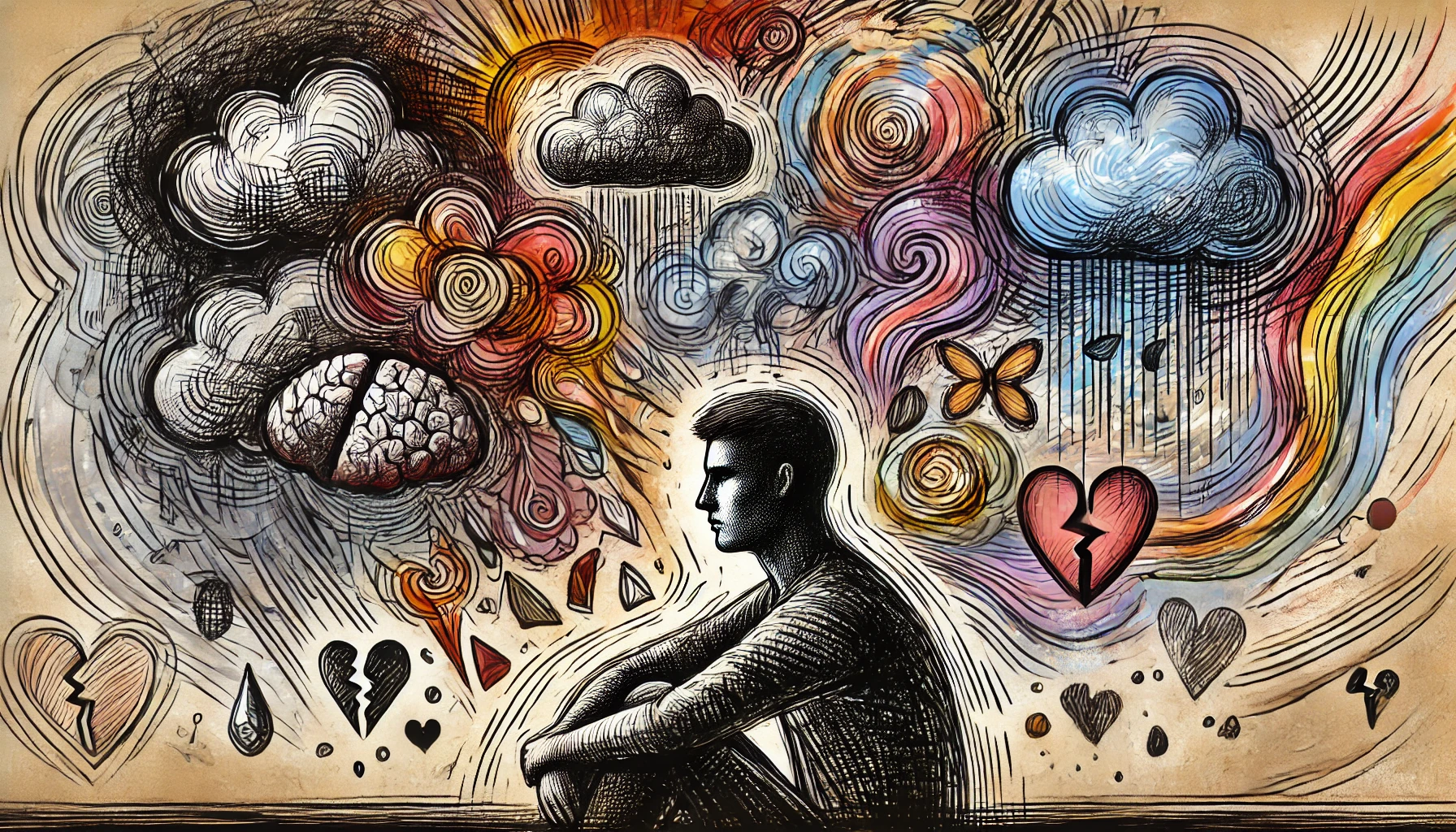
Depression is more than just feeling sad or going through a tough time; it’s a deep and often debilitating experience that can affect every aspect of a person’s life. Understanding what depression feels like from the perspective of those who have lived it provides invaluable insights into the condition. This blog explores these firsthand experiences, aiming to shed light on the internal struggles and emotional complexities that accompany depression. By delving into these personal insights, we hope to foster empathy and a deeper understanding of this often misunderstood mental health condition.
People living with depression frequently describe it as a persistent feeling of emptiness, heaviness, or numbness that seems to engulf their entire being. It’s not just about feeling down for a few days; it’s a prolonged state that can last for weeks, months, or even years. The emotional and physical toll of depression can make even the simplest daily tasks feel insurmountable. By sharing what depression feels like, we aim to convey the depth of this condition and the importance of seeking help and support.
The Overwhelming Sense of Emptiness
- A Void that Can’t Be Filled
- Many describe depression as an overwhelming sense of emptiness, a void that nothing seems to fill. This emptiness can overshadow all aspects of life, making it difficult to find joy or satisfaction in anything.
- Unlike typical sadness, which usually has a clear cause and diminishes over time, this emptiness persists regardless of external circumstances.
- Individuals may feel disconnected from themselves and the world around them, leading to a sense of isolation and loneliness.
- Even activities that once brought pleasure and meaning can feel hollow and unfulfilling, adding to the sense of despair.
- This void can create a sense of being lost, with no clear path to finding oneself again.
- Emotional Numbness
- Depression often brings a sense of numbness, where emotions become blunted or entirely absent. People may find it hard to feel anything, whether it’s happiness, sadness, or anger.
- This emotional flatness can lead to difficulties in relationships, as individuals struggle to connect with others on an emotional level.
- The numbness is not a choice but rather a symptom of depression, making it challenging to engage with life fully.
- This lack of emotional response can be distressing, especially when individuals are aware of how they “should” feel in certain situations but are unable to.
- The numbness can lead to a sense of being disconnected from one’s own experiences, making life feel surreal and distant.
The Weight of Hopelessness
- A Heavy Burden
- Depression can feel like carrying a heavy weight on one’s shoulders, making every movement, decision, and thought feel exhausting.
- This sense of burden can manifest physically as fatigue and mentally as a constant state of overwhelm, where even simple tasks seem monumental.
- People with depression often describe this weight as an invisible force that pulls them down, making it hard to get out of bed or engage in daily activities.
- The weight of hopelessness can lead to a lack of motivation and energy, creating a cycle where inactivity exacerbates depressive symptoms.
- This burden is not easily lifted by willpower or positive thinking, as it is rooted in the brain’s altered chemistry and functioning.
- Feelings of Hopelessness
- A hallmark of depression is a pervasive sense of hopelessness, where individuals feel as though things will never get better.
- This feeling can be overwhelming, leading to thoughts like “What’s the point?” or “Why bother trying?” as the future appears bleak and unchangeable.
- The loss of hope can lead to a decrease in goal-setting or future planning, as individuals struggle to see a path forward.
- This hopelessness can extend to oneself, where individuals feel they are beyond help or unworthy of improvement.
- Therapeutic interventions often aim to counteract these thoughts, helping individuals regain a sense of hope and possibility.
The Inner Turmoil of Self-Doubt
- Constant Self-Criticism
- Depression often brings with it a harsh inner critic, a voice that constantly undermines one’s self-worth and abilities.
- Individuals may experience persistent feelings of guilt, shame, or inadequacy, regardless of their actual achievements or the opinions of others.
- This self-doubt can be paralyzing, making it difficult to make decisions or take action due to fear of failure or judgment.
- The inner critic can lead to negative self-perceptions, where individuals view themselves as fundamentally flawed or unlovable.
- Therapy, particularly cognitive-behavioral therapy (CBT), often focuses on challenging and reframing these negative thought patterns.
- Overthinking and Rumination
- Depression can lead to a cycle of overthinking and rumination, where individuals become trapped in a loop of negative thoughts and what-if scenarios.
- This mental churning can be exhausting and prevent individuals from finding solutions or gaining perspective on their problems.
- Rumination often involves replaying past mistakes or envisioning worst-case scenarios, contributing to feelings of anxiety and despair.
- The inability to “switch off” these thoughts can interfere with sleep, concentration, and overall well-being.
- Mindfulness practices and therapeutic techniques are often used to help individuals break free from the cycle of rumination.
The Impact on Physical Well-being
- Chronic Fatigue
- Depression is frequently accompanied by a profound sense of fatigue that is not relieved by rest or sleep.
- This exhaustion can make it difficult to carry out daily tasks, leading to a cycle of inactivity and further feelings of inadequacy.
- The fatigue is not just physical but also mental, with individuals finding it hard to focus, make decisions, or process information.
- This lack of energy can lead to social withdrawal, as individuals feel too exhausted to engage with others or participate in activities.
- Addressing this fatigue often requires a comprehensive treatment plan that includes therapy, medication, and lifestyle changes.
- Physical Pain and Discomfort
- Depression can manifest physically through symptoms such as headaches, muscle aches, digestive issues, and general malaise.
- These physical symptoms are real and can be as debilitating as the emotional aspects of depression, affecting one’s quality of life.
- The mind-body connection means that emotional distress can lead to physical tension and discomfort, creating a cycle of pain.
- Individuals may experience an increased sensitivity to pain, with even minor discomforts feeling amplified during depressive episodes.
- Treating depression often involves addressing both the emotional and physical symptoms to provide comprehensive relief.
The Struggle with Daily Functioning
- Loss of Interest and Motivation
- Depression can rob individuals of interest in activities they once enjoyed, leading to a lack of motivation and engagement in life.
- This anhedonia, or inability to feel pleasure, is one of the most challenging aspects of depression, as it affects all areas of life.
- Daily routines such as work, hobbies, and social interactions can feel like insurmountable tasks with little to no reward.
- The lack of motivation is not due to laziness but is a symptom of the condition, as the brain’s reward system is affected.
- Encouraging small steps and celebrating minor achievements can help individuals begin to reengage with life gradually.
- Difficulty in Performing Basic Tasks
- Even basic tasks such as showering, eating, or getting out of bed can feel like monumental efforts for someone with depression.
- This difficulty is not a lack of willpower but a reflection of the profound impact depression has on one’s ability to function.
- The energy and mental effort required to complete these tasks can be overwhelming, leading to neglect of self-care and daily responsibilities.
- This struggle can create a cycle of guilt and shame, as individuals may feel they are failing in their most basic duties.
- Support from loved ones and therapeutic interventions can help individuals regain the ability to manage daily tasks.
Conclusion
Understanding what depression feels like from those who have lived it provides invaluable insight into the profound impact this condition has on individuals. Depression is more than just feeling sad; it’s an all-encompassing experience that affects emotions, thoughts, physical well-being, and the ability to function in daily life. The sense of emptiness, the weight of hopelessness, the inner turmoil, the physical symptoms, and the struggle with daily tasks all paint a picture of a condition that is deeply complex and challenging.
Recognizing these experiences is crucial for fostering empathy and supporting those affected by depression. It underscores the importance of seeking help and understanding that depression is not a sign of weakness but a serious mental health condition that requires compassionate care and appropriate treatment. By sharing these insights, we can break down the stigma surrounding depression and encourage a more open and supportive conversation about mental health.