
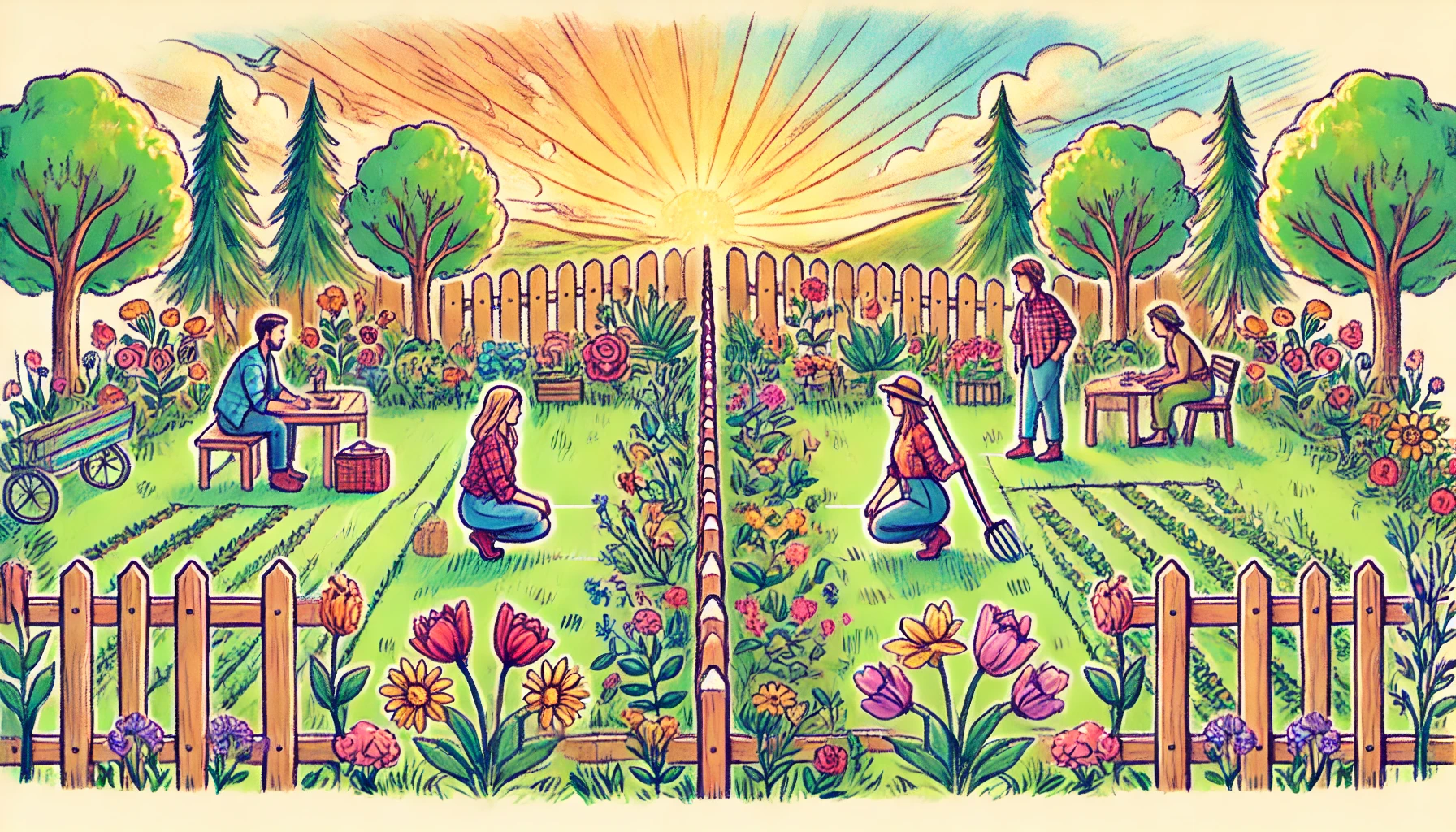
Setting healthy boundaries with friends is essential for personal growth and well-being. Boundaries help maintain balance in relationships, ensuring that you can support your friends while also focusing on your own needs and goals. Establishing clear and respectful boundaries allows you to protect your time, energy, and emotional health, making it possible to nurture both your personal growth and your friendships.
Healthy boundaries are not about creating distance or shutting people out; rather, they are about defining what is acceptable and what is not, so that relationships can thrive without overstepping limits. Here’s how you can set healthy boundaries with friends to support your personal growth.
1. Reflect on Your Needs and Limits
- Take time to identify your needs. Consider what you require in terms of time, energy, and emotional space to achieve your personal goals and maintain your well-being.
- Recognize your limits. Understand what drains you or causes stress, and determine what you need to protect your mental and emotional health.
- Consider your priorities. Reflect on your goals and responsibilities, and how much time and energy you need to devote to them.
- Be honest with yourself about what you can and cannot handle in your friendships. This self-awareness is key to establishing boundaries that are realistic and effective.
- Keep track of situations where you feel overwhelmed or uncomfortable. These moments can provide insight into where boundaries might be needed.
2. Communicate Clearly and Directly
- Be straightforward when setting boundaries. Use clear and direct language to express your needs and limits to your friends. For example, say, “I need some time to focus on my personal goals,” rather than hinting or being vague.
- Explain the reasons for your boundaries. Help your friends understand why these boundaries are important for your personal growth, which can foster understanding and respect.
- Use “I” statements to express your needs. This focuses on your feelings and needs without sounding accusatory. For example, “I need to spend some time alone to recharge.”
- Be firm but kind. Setting boundaries doesn’t have to be harsh or confrontational. You can be assertive while still being respectful and caring.
- Be consistent in your communication. If your boundaries are crossed, gently remind your friend of the boundary and the reasons behind it.
3. Start with Small Boundaries
- Begin by setting small, manageable boundaries. This might involve limiting the amount of time you spend on social activities or politely declining certain requests.
- Gradually increase your boundaries as you become more comfortable. Starting small helps build confidence in boundary-setting and ensures that your friends can adjust gradually.
- Practice setting boundaries in low-stakes situations. This can make it easier to establish more significant boundaries later on.
- Use these initial boundaries as a way to gauge your friend’s response. If they respect your smaller boundaries, it’s likely they’ll respect larger ones as well.
- Acknowledge your progress. Recognizing your success in setting small boundaries can motivate you to continue establishing healthy limits.
4. Prioritize Your Personal Growth
- Make your personal growth a priority. Set boundaries that protect the time and energy you need to pursue your goals, whether it’s time for self-care, learning new skills, or working towards a personal project.
- Schedule dedicated time for yourself. Block out specific times in your calendar that are reserved for personal growth activities, and communicate this to your friends.
- Avoid overcommitting to social activities. Ensure that your commitments to others don’t interfere with your personal growth efforts.
- Remind yourself that it’s okay to put your needs first. Prioritizing your growth doesn’t mean neglecting your friends; it’s about finding a balance that allows you to thrive.
- Stay focused on your goals. Use your boundaries as a way to stay aligned with your priorities and resist distractions.
5. Respect Your Own Boundaries
- Hold yourself accountable to the boundaries you set. If you’ve decided to limit social activities or avoid certain topics, stick to those decisions.
- Recognize when you’re tempted to ignore your boundaries. Pay attention to moments when you feel pressured to bend or break your limits, and remind yourself of why they’re important.
- Practice self-compassion. Setting boundaries can be challenging, especially if you’re worried about how your friends will react. Be kind to yourself as you navigate this process.
- Remind yourself that respecting your boundaries is a form of self-respect. Upholding your limits reinforces your commitment to your own well-being.
- Reflect on the benefits of maintaining boundaries. Consider how respecting your boundaries has positively impacted your personal growth and overall happiness.
6. Address Boundary Crossings Early
- Address any boundary crossings as soon as they occur. If a friend oversteps, gently but firmly remind them of your boundaries.
- Be clear about the consequences of repeated boundary violations. Let your friend know what actions you’ll take if your boundaries continue to be ignored.
- Stay calm and composed. Addressing boundary crossings can be uncomfortable, but it’s important to remain calm and assertive.
- Reinforce the importance of your boundaries. Remind your friend that these limits are essential for your personal growth and well-being.
- Be prepared to adjust the relationship if necessary. If a friend repeatedly disregards your boundaries, it may be necessary to reevaluate the relationship and consider whether it’s supportive of your growth.
7. Be Open to Feedback
- Encourage your friends to share their thoughts on your boundaries. This can help you understand their perspective and foster mutual respect.
- Listen actively to their feedback. Consider their feelings and how your boundaries might impact the friendship, but stay committed to what you need for your growth.
- Be open to compromise if appropriate. While it’s important to uphold your boundaries, there may be situations where a reasonable compromise can be reached without compromising your needs.
- Reassure your friends that your boundaries are about your needs, not a reflection of your feelings towards them. Clear communication can help prevent misunderstandings.
- Reflect on any feedback you receive. Use it to fine-tune your boundaries and ensure they’re both effective and considerate of your relationships.
8. Balance Support and Self-Care
- Find a balance between being there for your friends and taking care of yourself. It’s okay to support your friends, but not at the expense of your well-being.
- Recognize when you need to step back. If supporting a friend becomes too draining or interferes with your growth, it’s important to reassess the situation and set boundaries.
- Encourage your friends to seek other sources of support if needed. Suggest they reach out to other friends, family, or professionals if you’re not able to provide the level of support they need.
- Practice self-care regularly. Ensure that you’re taking time to recharge and focus on your needs, especially when supporting others.
- Communicate when you need a break. Let your friends know when you need time for yourself, and don’t hesitate to step back when necessary.
9. Regularly Reevaluate Your Boundaries
- Periodically assess your boundaries to ensure they’re still serving your needs. Personal growth is an ongoing process, and your boundaries may need to evolve as you do.
- Adjust boundaries as your circumstances change. If your goals, responsibilities, or relationships shift, your boundaries might need to be updated accordingly.
- Reflect on how well your boundaries are working. Are they helping you achieve your goals and maintain your well-being? If not, consider making changes.
- Stay flexible and open to change. While it’s important to uphold your boundaries, it’s also okay to adjust them as your needs and relationships evolve.
- Seek feedback from trusted friends. Ask for their perspective on how your boundaries are impacting the friendship and whether they feel the relationship is balanced.
10. Cultivate Mutual Respect in Friendships
- Foster a friendship culture of mutual respect. Encourage open communication, honesty, and respect for each other’s boundaries.
- Respect your friends’ boundaries as well. Just as you expect your boundaries to be honored, make sure you’re doing the same for your friends.
- Celebrate each other’s growth. Support and respect each other’s personal journeys, recognizing that healthy boundaries are key to fostering growth.
- Communicate openly about boundaries. Encourage discussions about how both of you can set and respect boundaries that support mutual well-being.
- Reinforce the value of the friendship. Let your friends know that setting boundaries doesn’t diminish your relationship, but rather helps it thrive by ensuring both of you can grow and flourish.
Setting healthy boundaries with friends is essential for personal growth and maintaining strong, balanced relationships. By reflecting on your needs, communicating clearly, and staying committed to your well-being, you can create an environment where both you and your friends can thrive. Remember, healthy boundaries are not about distancing yourself but about ensuring that your friendships are supportive, respectful, and conducive to mutual growth.